Why “25 Lighters” Still Hits So Hard
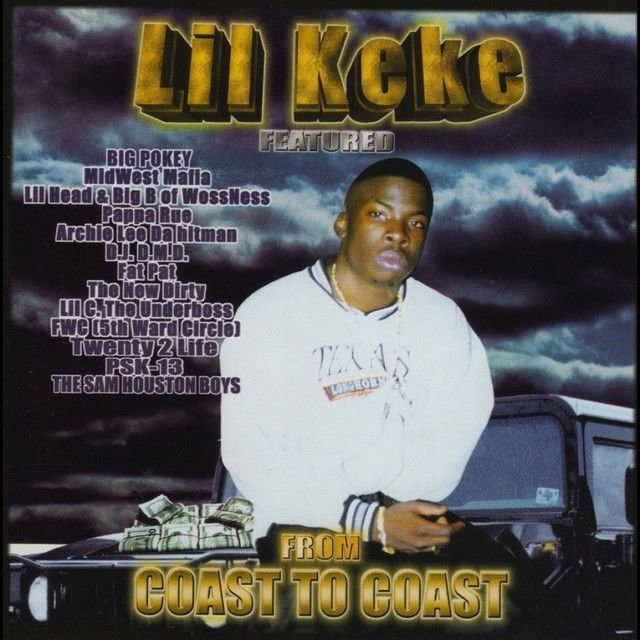
The meaning of 25 Lighters Lil’ KeKe, Fat Pat, DJ DMD starts with a simple brag, but it grows into something bigger: a Houston anthem about work, style, and being seen.
"25 Lighters" - Lil’ KeKe, Fat Pat, DJ DMD
Provided by LyricFindLove it man
25 lighters on my dresser yessir I gots to get paid
25 lighters on my dresser yessir I gots to get paidLoading...Loading lyrics...
Unable to load lyrics
We're unable to display the lyrics at this time. Please try again later.
A Hook About Money, Pressure, and Presence
The clearest idea in the song is also the simplest one. The chorus repeats gots to get paid
, and that line gives the whole track its center. They are not just celebrating wealth. They are talking about the push to earn, perform, and stay visible.
The image of 25 lighters
sounds casual, almost funny, but it works like a symbol. A lighter is small and ordinary. By multiplying it, the song turns a basic object into a sign of scale, readiness, and swagger. In other words, the hook says that even everyday items can become part of a larger identity when they are tied to hustle.

Watch the official 25 Lighters
music video
Houston in the Late 1990s
Factually, this song sits inside the world of Houston rap in the late 1990s, especially the orbit of the Screwed Up Click and the city’s custom-car culture. Lil’ Keke and Fat Pat were key names in that scene, and Fat Pat later became a lasting Houston legend after his death in 1998, as noted in major biographical summaries and Houston rap histories. DJ DMD helped bring that local sound into a bigger regional spotlight.
The lyrics constantly point to that setting: candy-painted cars, trunks, rims, grills, boulevard cruising, and neighborhood respect. When they mention swangin barbe grill
and riding on fours
, they are naming details that Houston listeners would immediately recognize. Those lines are not decoration. They place the song in a specific city and social world.
How the Verses Build the Meaning
DJ DMD turns counting into a worldview
DJ DMD’s opening verse piles the number 25 onto everything: people, flows, shows, diamonds, speakers, and goals. That repetition makes the song feel oversized on purpose. They are not aiming for realism. They are building a cartoonishly large version of success.
Interpretation: The number becomes a way to show abundance before abundance is fully secured. In that reading, the song is part wish, part performance. They speak as if they have already arrived because that attitude is part of getting there.
Lil’ Keke makes the hustle feel daily
Lil’ Keke’s verse brings the song closer to routine. He starts with waking up and moving into another day of work, which gives the track more structure than a pure brag rap. He presents the game as real, competitive, and public.
That matters because it balances fantasy with discipline. Even while the verse celebrates jewelry, cars, and name recognition, it also suggests that status has to be maintained. The song’s confidence comes from repetition and labor, not just luck.
Fat Pat brings danger and charisma
Fat Pat’s verse shifts the energy. He sounds looser, more confrontational, and more immersed in street reputation. There is humor and style in his delivery, but there is also tension. Haters, weapons, and confrontation appear around the edges of the verse.
That mix is important to the song’s meaning. Success here is never completely safe. The more visible they become, the more they need to defend their place.
More Than Brag Rap
On the surface, “25 Lighters” is full of boasts. There are references to rings, women, cars, and money. But reducing it to bragging misses why the song lasts.
The hook’s logic is survival logic. They do not say they might get paid; they insist they must. That urgency changes the mood. The song becomes about the pressure to turn talent and image into income.
A short section captures that mindset well:
25 lighters on my dresser
gots to get paid
Those lines are catchy, but they also explain the whole emotional frame. The dresser image suggests home and routine, while the demand for money suggests motion and necessity. The song lives between those two spaces.
Why the Production Matters
Production helps sell the message. The beat is sparse, bouncy, and easy to chant along with, which lets the repeated number hit like a drum pattern. The track leaves room for the voices and for the hook to stick.
That design matters because “25 Lighters” works almost like a neighborhood slogan. Its repetition makes it communal. Listeners do not just hear it; they can join it. The song’s sound turns individual verses into a group statement.
Interpretation: The production supports the idea that identity in this track is collective. Even when each rapper flexes alone, the song keeps returning to a shared chorus and shared scene.
Symbols That Keep Returning
A few motifs drive the whole track:
- Counting: The number 25 suggests scale, rhythm, and confidence.
- Cars: Movement, local pride, and public display.
- Jewelry and grills: Proof of success made visible.
- The boulevard: A stage where reputation is tested.
- Work and payment: The real engine beneath the flexing.
Together, these images show that the meaning of 25 Lighters Lil’ KeKe, Fat Pat, DJ DMD is not hidden. They are saying that style is a form of proof. In their world, how they ride, speak, and shine tells others whether they matter.
Why the Song Endures
Part of the song’s staying power is its balance. It is playful but serious, local but universal. Plenty of listeners may not know every Houston reference, yet they still understand the core feeling: they have to keep going, keep showing up, and keep trying to get paid.
That is why the song still lands. It takes regional detail and turns it into a broad anthem about ambition, visibility, and self-made identity.
Final Take on Its Meaning
The meaning of 25 Lighters Lil’ KeKe, Fat Pat, DJ DMD is about turning ordinary objects and daily pressure into a public performance of confidence. It celebrates Houston culture, but it also speaks to a larger need to be seen as successful before the world gives full credit.
This article offers an interpretation based on the lyrics, performance, and cultural context, and other listeners may hear different shades of meaning.








