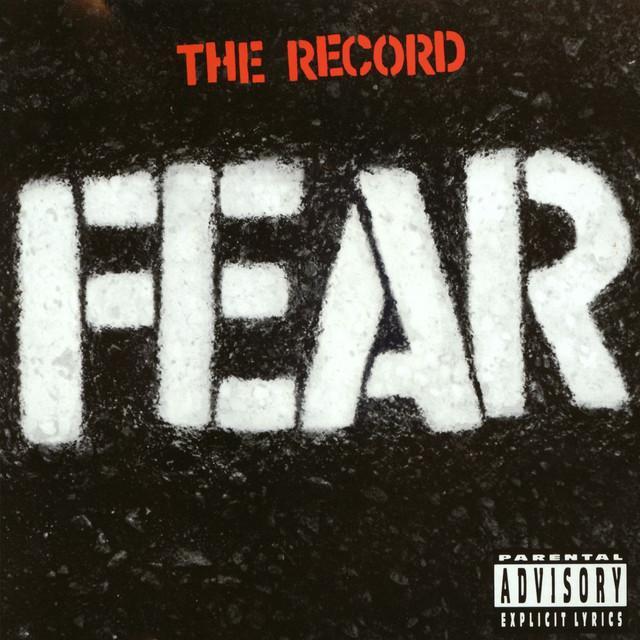
Why Fear’s City Anthem Is So Gross on Purpose
The meaning of I Love Livin' in the City Fear starts with a contradiction. The song’s title sounds cheerful, even proud. But the verses pile up images of rot, bodily mess, danger, and social collapse. That gap is the whole point.
"I Love Livin' in the City" - Fear
It's chock full of shit and puke!
Cockroaches on the walls
Loading lyrics...
Unable to load lyrics
We're unable to display the lyrics at this time. Please try again later.
Fear, led by Lee Ving, built a reputation in early American punk for confrontation, black humor, and deliberate bad taste. The band emerged from the Los Angeles hardcore scene and became known for chaos onstage as much as their records, with sources like AllMusic and Britannica outlining that punk context. In this song, they turn disgust into satire.
A Love Song That Clearly Is Not One
On the surface, the narrator says I love livin' in the city
. But everything around that phrase makes it sound false, or at least twisted. The song describes a world filled with filth, sickness, infestation, and people falling apart in public.
Interpretation: they are not simply praising urban life. They are using the language of affection to expose how ugly and broken that environment feels. The joke is that the chorus acts like a booster slogan while the verses tear that slogan to pieces.
That is why the song lands as both funny and mean. It is a parody of civic pride, but also a portrait of numbness. If someone repeats that they love a place while describing horrors, they may be coping, mocking, or both.
Watch the official I Love Livin' in the City
music video
The Real Target: Decay and Denial
A big part of the song’s force comes from how it moves from private filth to public collapse. Early lines make home life feel animal-like and degraded, using gross details to suggest that normal standards have broken down. Then the song widens out to the streets, where waste, injury, and death are presented as everyday sights.
One key phrase is junk is king
. In plain language, that suggests a city ruled by addiction, trash, and throwaway values. Another image, People dyin' on the street
, pushes the song from gross-out humor into something harsher. Beneath the sneer, there is a picture of social neglect.
The last turn matters too. The lyric attacks suburban scumbags
who supposedly do not care. This shifts the song away from pure shock and toward class resentment. The city is awful, but the people outside it are not innocent. They are accused of judging from a distance while doing nothing.
How the Chorus Turns into a Weapon
The chorus is short, catchy, and easy to shout. That simplicity is classic punk craft. A blunt hook can feel communal, like a chant at a show. But here, the hook also works like a smirk.
Interpretation: each repetition of I love livin' in the city
becomes less believable and more aggressive. It sounds like the singer is daring listeners to argue. It can be heard as sarcasm, but also as a grim kind of loyalty. They may hate what the city has become and still feel tied to it.
That double feeling gives the song more depth than its crude surface suggests. Plenty of people complain most about the places they know best. The song captures that ugly intimacy.
Sound First, Subtlety Never
Fear’s music style is crucial to the meaning. Punk, especially hardcore-leaning punk, often relies on speed, stripped-down riffs, shouted vocals, and repetition. Those features are not decorative here. They make the song feel cramped, hostile, and out of control.
The guitars hit with blunt force instead of finesse. The rhythm section drives forward without much relief. Lee Ving’s vocal delivery sounds sneering and theatrical, which keeps the song from reading like a sad ballad about urban pain. It becomes a provocation instead.
That matters because the arrangement supports the lyric’s exaggeration. If the music were softer, the song might feel pitiful. Because it is fast and abrasive, it feels like a middle finger. The band is not asking for sympathy. They are turning disgust into performance.
Punk Context Helps Explain the Joke
Fear’s reputation matters when reading the song. They were part of a punk culture that often used offense as a tool: to attack middle-class manners, to test boundaries, and sometimes simply to cause trouble. Histories of American punk, including AllMusic, place Fear among bands that pushed provocation to the front.
That does not excuse every line, but it does explain the method. This is not realism in a careful documentary sense. It is cartoon exaggeration. The city becomes a nightmare funhouse where every bad smell and every social failure gets turned all the way up.
Interpretation: the song is less interested in one literal neighborhood than in a worldview. It presents urban life as a place where collapse has become normal, and where people answer that collapse with sarcasm instead of reform.
Why the Song Still Sticks
The meaning of I Love Livin' in the City Fear lasts because the song understands how slogans can hide misery. It takes a bright, simple statement and fills it with evidence against itself. That is funny, but it is also pointed.
The city in the song is dirty, cruel, and neglected. Yet the title line keeps returning, almost proudly. That tension suggests two truths at once: people can feel trapped by a place, and still claim it as their own. Punk turns that conflict into noise, speed, and insult.
In the end, the track works as satire of urban decay, a jab at suburban hypocrisy, and a performance of emotional deadness. It is ugly on purpose because ugliness is the message.
Disclaimer: This interpretation is based on the song’s lyrics, performance style, and punk-era context. As with most art, listeners may hear different meanings in it.








