Why Feist's "Mushaboom" Feels Like a Future
The meaning of Mushaboom Feist becomes clearer the moment they stop hearing it as a quirky folk-pop song and start hearing it as a plan for living. Feist turns ordinary adult hopes—stable love, a home, enough money, a slower life—into something tender and vivid. The song does not chase glamour. It dreams about making do, waiting, and building a future one small choice at a time.
"Mushaboom" - Feist
But wait the babies haven't been born, oh oh oh
Unpacking the bags and setting up
Loading lyrics...
Unable to load lyrics
We're unable to display the lyrics at this time. Please try again later.
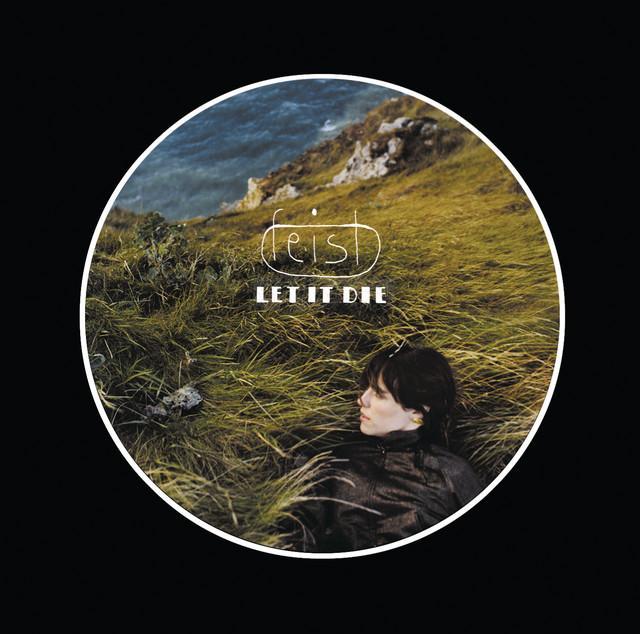
Released on Let It Die in 2004, the track helped introduce Feist’s warm, intimate style to a wider audience. According to album credits and artist discographies, “Mushaboom” was written by Leslie Feist and appeared on her debut international breakthrough album, released through Interscope and documented by sources like AllMusic. That context matters, because the song sits at the meeting point of indie pop, folk, and jazz-pop restraint.
A Small Dream, Not a Small Song
At the center of the song is a modest fantasy: not fame or escape, but domestic peace. The narrator imagines helping children, unpacking belongings, and planting flowers. Those details suggest a future household already alive in their mind, even if real life has not caught up yet.
Then the song brings in tension. They admit life is difficult now, especially in a cramped space described as second floor living
. That one phrase matters because it grounds the song in economic reality. This is not a fairy tale cottage yet. It is rented space, limited room, and the frustration of waiting until my dreams will match up with my pay
.
That line is the emotional key. The song is hopeful, but it is not naive. It understands the gap between wanting a good life and being able to afford one.

Watch the official Mushaboom
music video
The Story Moves From Wanting to Building
One reason the song feels so satisfying is that it follows a clear emotional arc.
- First, they imagine family and home as future scenes.
- Then, they admit present limits: money, space, and delay.
- After that, the song shifts toward commitment and patience.
- Finally, it settles into a vision of a humble, rooted life.
That shift becomes especially clear when the narrator says they have a man to stick it out
. The point is not romance in a dramatic sense. It is partnership as endurance. The relationship matters because it gives shape to the future they want.
The next idea is even more important: collect the moments one by one
. Feist suggests that a future is not something that suddenly arrives. It is assembled through daily acts, shared time, and repetition. In plain terms, the song says adulthood is built, not discovered.
Why the Chorus Sounds Like Memory
The chorus uses rustic images—old dirt road
, snow, firelight, and growth. Even without explaining every word, it creates a feeling of distance from city pressure and closeness to nature. It sounds less like a literal travelogue and more like a mental postcard from the life they hope to reach.
Interpretation: the repeated word “Mushaboom” seems to function like a dream-syllable, almost childlike or invented. It does not need a fixed dictionary meaning to work. Instead, it gives the chorus a homemade quality, as if the future they want is so personal that ordinary language is not enough.
That is why the refrain feels both playful and wistful. The listener hears a place that may not fully exist yet, except in desire.
Home as Symbol, Not Just Setting
The strongest symbols in the song are all domestic and rural:
- coats, bags, and setup suggest moving in
- lilacs and buttercups suggest care and rootedness
- fire suggests warmth, age, and shared time
- the hidden road suggests privacy and escape from public pressure
Together, these details turn “home” into more than a building. It becomes a symbol of emotional security. Even a rented house
can become meaningful if two people commit to shaping it together.
Interpretation: this is why the song resonates with listeners entering adulthood. It captures the moment when a person realizes that happiness may look less like adventure and more like steadiness.
How the Sound Carries the Meaning
Musically, “Mushaboom” reinforces that feeling with softness instead of force. Feist’s vocal delivery is close and conversational, which makes the song sound lived-in rather than performed at a distance. The arrangement blends acoustic textures with a light rhythmic pulse, giving it an airy but grounded motion.
Sources such as AllMusic and Feist’s official artist materials place the song within the understated palette of Let It Die, an album known for mixing indie pop intimacy with retro touches. That matters because the production never overwhelms the lyric. The instruments leave room for thought, just as the narrator leaves room for the future.
The melody also helps. It rises gently, never rushing, which mirrors the song’s message about patient growth. Instead of sounding triumphant, it sounds settled. That makes the dream feel attainable.
Why "Mushaboom" Still Connects
Part of the meaning of Mushaboom Feist is that it honors ordinary ambition. Many songs celebrate desire as speed, heat, or rebellion. This one celebrates care, time, and enoughness. It says there is dignity in wanting a yard, a road, a partner, and a peaceful room to grow older in.
That is why the song still feels fresh. It understands a truth many listeners know well: dreams do not always fail because they are unrealistic. Sometimes they simply have to wait.
A Gentle Final Reading
In the end, “Mushaboom” is about making peace with the slow pace of becoming. It imagines a life that is simple but deeply earned. Feist turns domestic longing into something poetic without stripping away its practical side.
Interpretation: the song’s lasting beauty comes from this balance between fantasy and budget, romance and routine, hope and patience.
Disclaimer: This interpretation is based on the song’s lyrics, sound, and publicly available artist context. As with any art, listeners may hear different meanings in it.







