What “My Moon My Man” Really Means
The meaning of My Moon My Man Feist comes down to one sharp idea: love can feel warm, intimate, and deeply familiar while still being unstable. In this song, they present a partner as both beloved and hard to predict. The result is a portrait of romance that moves in cycles, much like the moon itself.
"My Moon My Man" - Feist
Such a lovable lamb to me
My care, my coat leave on a high note
Loading lyrics...
Unable to load lyrics
We're unable to display the lyrics at this time. Please try again later.
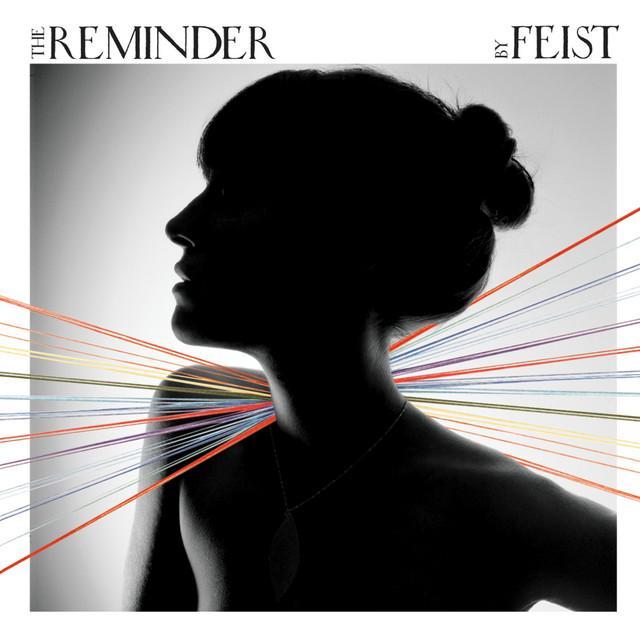
Feist released “My Moon My Man” on The Reminder in 2007, a breakout album that helped define their public image as a smart, emotionally precise songwriter. The track was written by Leslie Feist and Jason Beck, better known as Gonzales. It appears on the album’s official credits and release information through Feist’s catalog and label materials.
A Love Song That Does Not Sit Still
At first glance, the opening sounds affectionate. The partner is introduced with tenderness, even admiration. But the key detail is that they are also changeable. When the song calls this person changeable
, it frames the whole emotional problem: love is present, but stability is not.
That tension keeps returning. The speaker is not rejecting the relationship. They are trying to understand how to live inside it. The song’s emotional center is not rage or total heartbreak. It is uncertainty.
Interpretation: The moon image suggests a person who is dependable in one sense—they keep returning—but never exactly the same. That makes the relationship feel cyclical instead of settled.

Watch the official My Moon My Man
music video
The Moon Image Does Most of the Heavy Lifting
The strongest symbol in the song is obvious but rich. A moon can guide, glow, and comfort. It can also be distant, cold, and always shifting its visible face. That gives Feist a compact way to describe someone who is lovable yet difficult to read.
When the lyric points to a white face
and a changing phase, it ties emotion to a calendar. This is a clever way of saying the relationship has patterns. Their closeness seems to depend on timing, mood, or forces outside either person’s control.
Cycles, timing, and emotional weather
The mention of the calendar page
matters because it turns private feeling into a repeating event. This is not a one-time argument. It feels like a familiar loop.
That loop gives the song a weary honesty. They seem to know this person well enough to recognize the pattern, yet not well enough to prevent it. That is why the song feels intimate and puzzled at the same time.
A Plea Hidden Inside the Chorus
The chorus is simple, but it carries the song’s emotional weight. The repeated requests to take it slow
and shed some light
are not dramatic threats. They are appeals for gentleness and clarity.
In plain terms, the speaker seems overwhelmed. They want the other person to be patient. They also want understanding—some kind of explanation, honesty, or emotional visibility.
Take it slow
Shed some light on me
Those lines are brief, but they open the song up. Instead of blaming the partner, the speaker asks for help. That makes the song feel vulnerable rather than accusatory.
Interpretation: “Light” can mean reassurance, truth, or emotional warmth. The phrase works because it fits the moon imagery while also sounding like a real relationship plea.
Why the Relationship Feels So Mixed Up
One of the smartest details is the phrase heart on my sleeve
. It suggests openness, but the song quickly implies that this openness is not working the way it should. The emotional message is getting scrambled.
There is also a line about the song being out of key. Feist uses musical language to describe romantic mismatch. They are not saying love is absent. They are saying the two people are not landing in tune.
Another striking phrase is dirtiest clean
. That contradiction captures the whole relationship. It feels pure in one moment and compromised in the next. It is close, but not easy. Honest, but not fully clear.
How the Sound Carries the Meaning
Part of what makes “My Moon My Man” memorable is its tight, motorik pulse. The beat keeps moving with a steady, almost machine-like insistence, while Feist’s voice stays human, soft, and searching. That contrast mirrors the lyric’s emotional conflict.
The groove suggests routine and repetition, which fits a relationship stuck in cycles. Meanwhile, the vocal delivery feels personal and slightly fragile, as if they are trying to hold onto calm while something underneath keeps shifting.
This balance matters to the meaning of My Moon My Man Feist. The arrangement does not explode into chaos. Instead, it keeps circling forward. That makes the uncertainty feel lived-in, not theatrical.
Feist’s artistic context
On The Reminder, Feist often balanced intimacy with sharp craft. Many songs on the album pair plainspoken emotion with inventive production choices. “My Moon My Man” fits that pattern: it is accessible on the surface, but full of subtle emotional contradictions underneath.
Two Strong Ways to Read the Song
There is more than one good reading here:
- Romantic reading: The most direct interpretation is that they are singing about a lover whose moods or commitment levels keep changing.
- Self-reflective reading: The moon could also reflect the speaker’s own shifting emotional state. In that version, the song becomes partly about confusion within the self.
Both readings work because the lyrics stay suggestive instead of overly literal.
The Lasting Takeaway
What makes this song endure is its emotional precision. It understands that some relationships are not simply good or bad. They are loving, frustrating, rhythmic, and hard to explain all at once.
That is the real meaning of My Moon My Man Feist: love can be a source of light even when it leaves someone searching for answers. The song does not solve that tension. It simply names it with unusual grace.
Disclaimer: This interpretation is based on the song’s lyrics, sound, and public release context. As with most poetry-driven songs, listeners may reasonably hear different meanings in it.








