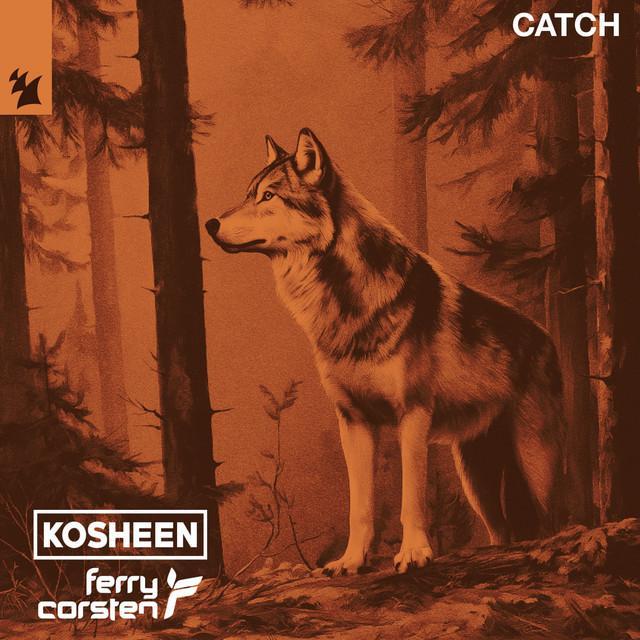
What 'Catch' Really Chases
The meaning of Catch Kosheen, Ferry Corsten starts with a contradiction: this is a song about wanting distance while still moving closer. Its narrator hears selfishness, damage, and manipulation in the other person, yet the hook keeps turning back into pursuit. That tension is what gives the song its bite.
"Catch" - Kosheen, Ferry Corsten
You create misery
Have your cake and eat it
Loading lyrics...
Unable to load lyrics
We're unable to display the lyrics at this time. Please try again later.
Factually, Catch
is a Kosheen song from the group's 2001 debut album Resist, written by Sian Evans, Mark Morrison, and Darren Beale. It first appeared in 2000 as a double A-side with Demonstrate
, then broke wider on a 2001 re-release; the later single formats included a Ferry Corsten vocal remix. It reached No. 15 in the UK on re-release and also charted across Europe and Australia (Wikipedia).
A chase song with a wound underneath
On the surface, the lyrics sound direct: one person is running, coming, and promising to catch the other. But the verses make that chase feel more emotional than physical. The narrator accuses the other person of causing pain and acting with entitlement, especially in the line built around have your cake and eat it
. That phrase suggests someone who wants every advantage without paying the cost.
From there, the song frames the target as a person who hides behind excuses. The repeated commands to rename events as luck, fate, or design make it sound as if they dodge responsibility. Interpretation: the song may be about calling out someone who rewrites harm as destiny.

Watch the official Catch
music video
Who they seem to be singing to
The voice in Catch
sounds personal, not abstract. Even when the lyrics use big words like history and destiny, they are aimed at a specific you
. That makes the song feel like a confrontation after betrayal.
One short phrase, you create misery
, sets the emotional frame early. The speaker is not confused about the damage. Yet the chorus refuses clean separation. Instead of walking away, they answer pain with motion.
Out of my way I'm running
I'm gonna catch you if I can
That two-line hook matters because it mixes escape and pursuit. They are running, but not only away. They are also moving toward a reckoning.
How the verses build the song's conflict
Fate, blame, and the stories people tell
Several lines play with the language of fate. The song says to call things faith, luck, or destiny, but the tone is skeptical. Rather than sounding spiritual, these words feel defensive, like labels people use when they do not want to admit choice.
That is why the second verse sharpens the edge. Phrases like date with destiny
and references to a party make the situation sound almost theatrical, as if the other person treats life like a private show. Interpretation: the narrator may be criticizing narcissism, someone acting as though every event revolves around them.
The push-pull at the center
The hook keeps the song from becoming simple blame. In the chorus, the narrator sounds driven, maybe even obsessed. They want to overtake, confront, or expose the other person.
That makes the song more interesting than a basic breakup track. It captures the ugly stage after hurt, when anger still creates attachment. The speaker wants out, but they also want the final word.
Why the production feels so urgent
Kosheen's style has always lived between electronic melody and harder-edged club rhythm. On Resist, the group blended Sian Evans' expressive vocal with production from Darren Beale and Mark Morrison, figures tied to Bristol's electronic scene (Wikipedia). In Catch
, that mix is key to meaning.
The beat gives the song a running pulse. The rhythm does not drift; it pushes forward in a way that mirrors the chorus. Evans' vocal, by contrast, carries accusation and strain. She sounds controlled, but not calm.
That contrast matters. If the words alone suggest emotional conflict, the production turns it into physical momentum. The song feels like being stuck in motion after a fight.
The Ferry Corsten version also helps explain why listeners connect the track with trance and club energy. His remix stretches the chase feeling outward, making the emotional pursuit feel larger and more cinematic, even though the core lyrical tension stays the same (Wikipedia).
Two strong ways to read the song
Interpretation 1: a toxic relationship showdown
The clearest reading is romantic or intimate conflict. The other person is selfish, evasive, and destructive. The narrator is done believing excuses and wants confrontation more than reconciliation.
In this reading, it's too late to leave it
suggests the damage is already done. No one gets to pretend it never happened.
Interpretation 2: a broader attack on power
There is also a wider reading. Because the lyrics mention history and repeating mistakes, the song can sound bigger than one romance. Interpretation: it may be criticizing people who create harm, then dress it up as fate, success, or inevitability.
That gives lines about destiny a darker edge. The narrator could be speaking not just to an ex, but to any figure who benefits from chaos and avoids blame.
Why the song lasted
Part of the staying power comes from structure. The words are simple enough to hit fast, but open enough to invite different readings. The refrain is memorable, and the beat gives it club life without losing emotional tension.
The release history also helped. Catch
did modestly at first, then gained real traction after Kosheen's profile rose and the single was reissued. Its later success, plus a strong remix ecosystem including Ferry Corsten, let different audiences hear different versions of the same emotional core (Wikipedia).
The real meaning in one line
The meaning of Catch Kosheen, Ferry Corsten is not just about chasing someone down. It is about what happens when anger keeps people connected after trust is broken. The song turns blame, desire, and momentum into one repeating loop.
That is why it still lands: it understands that sometimes the hardest person to escape is the one they still want to confront.
Disclaimer: This article offers interpretation based on the lyrics, recording context, and release history. Song meaning is not fixed, and listeners may hear it differently.








