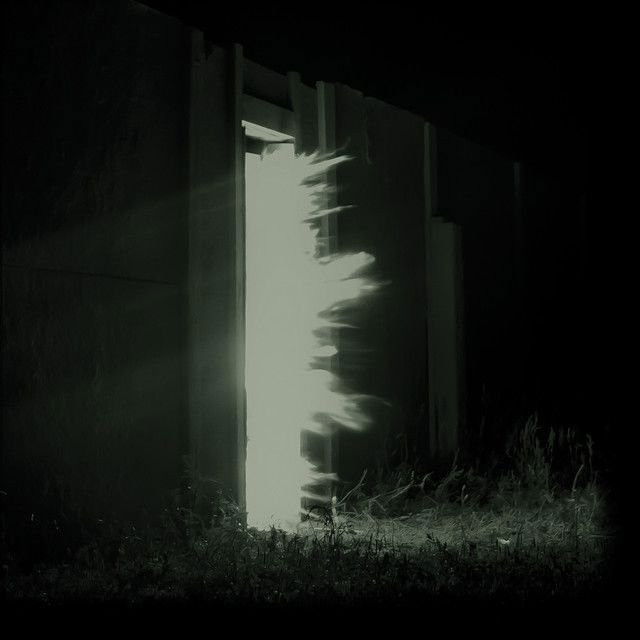
Looking Too Closely by Fink
The meaning of Looking Too Closely Fink starts with a warning: some kinds of self-examination do not heal people. They wound them. In this song, Fink turns a simple phrase into a sharp idea about guilt, denial, and the danger of staring at one’s flaws until they become unbearable.
"Looking Too Closely" - Fink
So don't worry yourself, worry yourself
The devil's right there right there in the details
Loading lyrics...
Unable to load lyrics
We're unable to display the lyrics at this time. Please try again later.
Written by Finian Greenall, Guy Whittaker, and Timothy William Thornton, the song uses very few words, but it says a lot through repetition and pressure. Factually, Fink is the stage name of Fin Greenall, a British singer-songwriter known for blending folk, blues, and alternative textures. The songwriting credits provided here fit that stripped, emotionally direct style.
A Warning Disguised as Advice
At first, the speaker seems to be talking about another person. The opening line says it is about somebody else, then quickly tells the listener not to worry. That sounds reassuring, but the reassurance feels shaky from the start.
The key phrase is looking too closely
. In plain terms, the song suggests that obsessive attention can become destructive. Instead of producing truth, it can turn into self-punishment.
Interpretation: The song is not anti-honesty. It is anti-obsession. It draws a line between healthy reflection and the kind of scrutiny that makes a person spiral.

Watch the official Looking Too Closely
music video
The Real Target Is the Self
The clever move in the lyric is that it keeps shifting the target. It starts with somebody else
, then pushes outward again with put your arms around somebody else
. For a moment, it sounds like advice to stop fixating and reconnect with the world.
Then the song turns. The mirror image in the later verse reveals that the person under inspection was the speaker all along. The line about being right there in the mirror
changes the whole song. What looked like commentary on another person becomes self-recognition.
That twist matters because it captures how denial works. People often talk around their own pain before they can name it. They displace blame, soften what they feel, or act like the issue belongs to someone else.
Why the Details Feel Dangerous
One of the song’s strongest images is the idea that the devil's right there in the details
. This is a familiar saying, but Fink uses it in a more intimate way. The details are not just annoying facts. They are mental traps.
The next image is even more physical: truth compared to blood under the fingernails. That image suggests something messy, hard to clean, and impossible to ignore. Truth is not presented as noble or freeing here. It is shown as raw evidence that sticks to a person.
Interpretation: The song may be about shame after a broken relationship, but it also works as a portrait of anxiety. When someone replays every detail, truth stops feeling clarifying and starts feeling punishing.
How the Hook Deepens the Meaning
The chorus does not add new information. Instead, it increases emotional force. The repeated hurt yourself
sounds less like a dramatic threat and more like a plea.
You don't wanna hurt yourself
Looking too closely
That short pairing is the center of the song. It links self-harm not only to physical damage, but also to the mental act of relentless inspection. The repeated “no” near the chorus gives the feeling of someone trying to stop a thought before it goes too far.
This is why the song feels so tense despite its simplicity. It circles the same warning over and over, as if repetition itself is part of the condition it describes.
Sound and Production: Intimacy Under Pressure
Even without dense lyrics, Fink’s style helps carry the song’s meaning. Their work often leans on hushed vocals, blues-rooted guitar figures, and a close, intimate recording feel. That kind of arrangement suits this song because it sounds like a private conversation happening inches away.
The alternative frame also matters. Rather than building toward a big pop release, the track works through restraint. The groove stays controlled. The vocal delivery feels intimate rather than theatrical. That keeps the listener locked inside the song’s mental space.
Interpretation: The production mirrors obsessive thought. It does not explode; it tightens. The mood feels claustrophobic in a deliberate way, making the warning sound lived-in instead of abstract.
Two Strong Readings of the Song
There are at least two solid ways to read the meaning of Looking Too Closely Fink:
-
A song about self-destructive introspection.
This is the strongest reading. The mirror reveal, the repeated warning, and the painful truth imagery all point inward. -
A song about relationship guilt.
The references to “somebody else” and emotional injury can also suggest fallout after betrayal, conflict, or emotional distance. In that reading, the speaker studies a failed relationship until blame becomes self-attack.
These readings work together rather than competing. A relationship crisis may simply be the event that triggers the deeper inward collapse.
The Lasting Takeaway
What makes this song memorable is how little it needs to say. It captures the moment when honesty stops being useful and becomes cruel. That is a subtle idea, and Fink delivers it with plain language and emotional precision.
For listeners asking about the meaning of Looking Too Closely Fink, the answer is that it is a song about the risk of turning self-awareness into self-injury. It warns that truth matters, but so does mercy.
Disclaimer: This interpretation is based on the lyrics provided and commonly understood features of Fink’s style. Like many sparse songs, it remains open to more than one valid reading.







