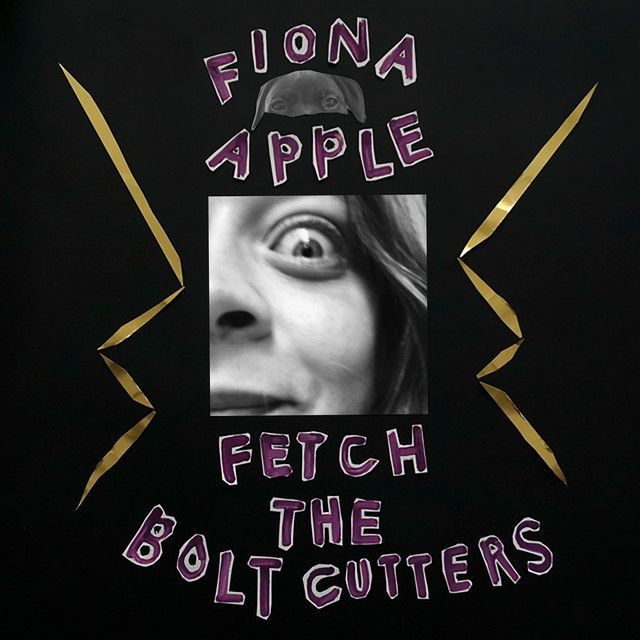
Relay by Fiona Apple
They come to Relay looking for one thing: how to stop anger from multiplying. The meaning of Relay Fiona Apple centers on ending the handoff of harm—how resentment, if unchecked, becomes tradition. Apple doesn’t just vent; she studies how bitterness spreads, then models a way out.
"Relay" - Fiona Apple
When the one who's burnt
Turns to pass the torch
Loading lyrics...
Unable to load lyrics
We're unable to display the lyrics at this time. Please try again later.
Passing the Flame: The Song’s Big Idea
The song’s thesis arrives in the chorus, a compact metaphor that turns spite into sport:
Evil is a relay sport
When the one who’s burnt
Turns to pass the torch
She shows how pain travels: you’re burned, so you burn the next person. Refusing to “pass the torch” breaks the race. That image reframes anger as a choice, not a fate.

Watch the official Relay
music video
Who’s Talking, and Who’s the “You”?
The narrator speaks in first person, naming specific grudges to make a universal point. Lines like I resent you
and raised right
sketch a composite rival—someone privileged, protected, and loud about it. This “you” feels plural: an internet persona, a smug classmate, an unchallenged authority figure.
Interpretation: The shifting “you” helps Apple show how resentment doesn’t need a fixed target to thrive. It feeds on comparison and humiliation, wherever they’re found.
From Outrage to Accountability
Apple conceived the key line as a teenager and later shaped Relay amid real-world anger surrounding high-profile confirmation hearings in 2018. That backdrop sharpened her focus on grievance and impunity. Yet the song also checks itself: when she warns about an endless race
, she’s naming the trap—hating back only keeps the baton moving.
Near the end, a quiet I’m sorry
breaks through. It’s not a surrender; it’s a pivot. The apology marks responsibility for one’s own flame—choosing not to spread it further.
Symbols That Do the Heavy Lifting
- The relay: A baton becomes a torch. It’s the geometry of harm—linear, repeatable, conditioned by spectators and teammates.
- The midway ride: The narrator recalls a
Ferris wheel
visit to “throw my anger out the door.” Interpretation: a ritual of letting go, rising above the noise, then returning to ground changed. - The glossy life: Calling someone’s feed a
propaganda brochure
jabs at curated perfection. It’s a critique of performative positivity that breeds envy, then spite.
Together, these symbols map a cycle: provocation, escalation, and the fragile moment where a person can refuse the pass.
How the Sound Turns Resentment into Rhythm
Relay’s production is tactile and percussive—handclaps, stomps, and in-room clatter lock into a restless grid. Apple has described carefully layering organic noises and vocals, even incorporating household sounds, to build a dense, breathing mix. The effect is communal: a room of people keeping time, like a team trading steps.
Her voice rides just ahead of the beat, urgent but measured. Stacked harmonies crowd around the lead, sometimes echoing accusations, sometimes sounding like witnesses. Interpretation: the arrangement stages the chorus’s idea—voices can swarm and inflame, or they can land on a single decision: don’t pass it.
What the Verses Actually Do
Each verse names petty and major slights—height, family backing, lack of pushback—to show how resentment scavenges for fuel. The repetition of grievances mirrors doomscrolling: new reasons to flare up, same burn. By admitting the pull to lash out, the narrator makes the final refusal more credible.
Crucially, the chorus doesn’t absolve the “you.” Instead, it relocates power to the speaker. They can’t rewrite the past, but they can stop its momentum.
Alternate Readings That Still Fit
- Interpretation: A public indictment of institutions that protect the comfortable. The “relay” is policy, media, and culture passing the flame of impunity.
- Interpretation: An inner dialogue. The “you” is a perfectionist self that performs for approval, stoking shame-anger loops. The apology is to the self that’s been scorched.
Both readings hinge on the same act: declining to carry harm forward.
Why This Song Resonates Now
Relay lands in an attention economy where outrage trends and algorithms reward the handoff. By dramatizing restraint—not just rage—Apple offers a practice, not a platitude: name the hurt, see the race, refuse the pass.
Takeaway
The meaning of Relay Fiona Apple is simple and hard: pain travels until someone chooses to end the race. Apple shows that choice in real time, turning resentment into resolve.
Disclaimer: Song interpretations are subjective and may reflect the writer’s perspective alongside publicly available information.








