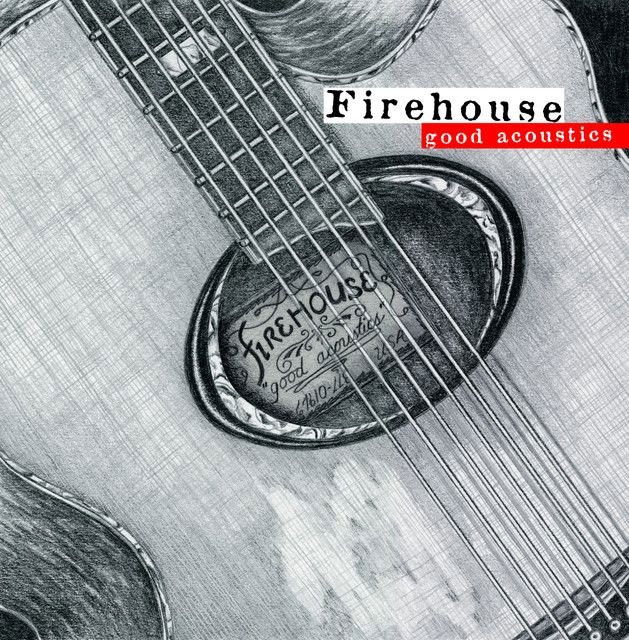
Why FireHouse Turned Love Into Faith
The Heart of the Song
The meaning of You Are My Religion Firehouse comes down to a simple but intense idea: they present romantic love as something so life-changing that it feels spiritual. The singer starts from emptiness and doubt, then describes a relationship that gives life direction, comfort, and purpose.
"You Are My Religion" - Firehouse
I couldn't believe in anything
Until I put my faith in you
Loading lyrics...
Unable to load lyrics
We're unable to display the lyrics at this time. Please try again later.
This is not a song about formal worship in a church. It is a love song that borrows the language of faith to show total devotion. When they say the other person has replaced despair with hope, the message is emotional rather than theological. The title phrase turns love into a metaphor for belief, trust, and rescue.
Watch the official You Are My Religion
music video
From Lost Faith to Total Devotion
The song’s first verse sets up a before-and-after story. Before this love, the speaker feels cut off from meaning and unable to trust anything. Then one person changes that inner state.
A short phrase like lost my faith
signals that collapse. Soon after, the song pivots toward trust and surrender. In plain terms, they are saying that one relationship rebuilt a broken worldview.
That movement matters because it gives the chorus its force. The singer is not casually impressed. They feel saved. That is why the language becomes bigger than everyday romance.
Why the Religious Imagery Matters
The song’s central metaphor is bold: a partner becomes the focus of reverence. FireHouse uses prayer, heaven, sin, and salvation not to argue doctrine, but to show emotional scale.
The line built around Not just on Sunday
is especially important. It contrasts routine religion with constant love. In other words, this devotion is not limited to one day or one ritual. It is ongoing, daily, and deeply personal.
The title phrase You are my religion
sums up the whole song. Interpretation: they suggest that love can function like faith because it gives structure, meaning, and a reason to keep going. That does not mean the song literally replaces God with romance for every listener. It means the speaker experiences love with the same seriousness and dependence that people often connect to belief.
The Chorus Turns Love Into Salvation
The chorus is where the metaphor reaches its peak. Instead of just saying “I love you,” the singer frames the relationship as a form of redemption. The loved one has not only brought joy; they have restored the speaker’s sense of wholeness.
That is why phrases about kneeling, praying, and eternity appear. The emotional logic is clear: if this person brought them back from hopelessness, ordinary love language is not enough.
Every night I pray
You've come and saved me
Those short lines show how the song links romance with rescue. The partner becomes both comfort and answer.
A Love Song With Power-Ballad DNA
FireHouse built their reputation in hard rock and melodic glam metal, with a strong run in the early 1990s through songs like “Love of a Lifetime” and “When I Look Into Your Eyes,” as documented by the band’s official history and major music databases. That context helps explain this track’s style. Even without reproducing the full arrangement in technical terms, listeners can hear classic power-ballad traits: slow build, polished guitars, wide-open chorus, and a vocal designed to sound heartfelt and huge.
That musical approach strengthens the meaning. A quiet acoustic treatment would make the song intimate. FireHouse instead makes it feel monumental. Big sustained notes and ringing chords give the sense that the singer is testifying, not just confessing.
Interpretation: the production supports the lyric metaphor by making the emotion sound larger than daily life. The song does not merely describe devotion; it performs it through scale and intensity.
Writers, Voice, and Point of View
The song is credited to C.J. Snare and Bill Leverty, the core songwriting team named in the provided credits. Their writing here is direct and easy to follow. They do not hide the message in symbols or abstract storytelling. Instead, they use familiar spiritual words to make the feeling immediately understandable.
The narrative voice inside the lyric is first person, but the article can still describe what they are doing: they speak to one person with complete openness. The partner is not distant or idealized from afar. They are treated as lover, friend, and healer all at once.
That blend is key. The song says romantic love is strongest when it includes friendship, loyalty, and emotional rescue. A phrase like best friend
keeps the song grounded, even while the religious imagery reaches upward.
Is It Meant to Be Controversial?
Probably not. The song asks whether such devotion is a sin
or a crime, but that sounds more dramatic than rebellious. The question seems rhetorical. They know the feeling is overwhelming, and they are trying to measure it with the biggest language available.
This is worth noting because many songs use religious wording in very different ways. For example, R.E.M.’s “Losing My Religion” is widely explained not as a literal statement about faith, but as a Southern expression about emotional strain and frustration. That well-known contrast shows how often popular music uses spiritual language metaphorically rather than doctrinally. FireHouse does something similar in a more straightforward romantic direction.
The Lasting Meaning
In the end, the meaning of You Are My Religion Firehouse is about emotional rebirth through love. They portray a relationship that feels healing enough to restore belief, purpose, and self-worth.
Its message lasts because the metaphor is easy to feel, even for listeners who would never speak this way themselves. Most people understand what it means for love to become a center of gravity.
Final Thought
FireHouse turns devotion into a dramatic, accessible power ballad about being rescued by love. Interpretation: the song works best when heard not as a literal creed, but as a heartfelt exaggeration that reveals just how deeply the speaker depends on another person.
Disclaimer: This interpretation is based on the lyrics, available song credits, and FireHouse’s musical context. Meaning can vary from listener to listener.









