Why "Berlin" by Fischer-Z Feels Haunted
The meaning of Berlin Fischer-Z comes through as a portrait of a city split between glamour, history, nightlife, and memory. Rather than telling one simple story, the song watches Berlin at dawn and at night and shows how the city seems to carry several eras at once.
"Berlin" - Fischer-Z
The signed pictures of film stars who stayed here in eras
That knew of no wall.
Loading lyrics...
Unable to load lyrics
We're unable to display the lyrics at this time. Please try again later.
At its core, the track suggests that Berlin is not just a place on a map. It is a living museum, a stage, and a shelter for people searching for identity. The repeated title phrase works almost like a spell, calling up the city as an idea as much as a physical space.
A City Seen Through Tired Eyes
The opening image sets the mood fast. The narrator enters with sore red eyes
, which suggests exhaustion, hangover, or emotional wear. That detail matters because the song does not show Berlin from a fresh tourist view. It shows the city through someone who has been awake long enough to feel its rough edges.
The room itself is full of memory. The mention of signed photos of old film stars hints at faded glamour and a hotel-like space where famous people once passed through. Then the lyric recalls times that knew of no wall
, bringing Berlin’s divided past into the frame.
That line is one of the song’s most important historical clues. It points to Berlin before the Wall, but it also suggests longing for a lost unity. Interpretation: the song is less interested in politics as argument than in history as atmosphere.
Watch the official Berlin
music video
The Meaning of Berlin Fischer-Z in One Sentence
If someone wants the short version, the meaning of Berlin Fischer-Z is this: the song presents Berlin as a city where the past never disappears, and where young people still come looking for freedom, reinvention, and belonging.
That reading fits the middle section well. The lyric says part of the old world survives on this island in Germany
. Even without overexplaining, that image makes Berlin feel isolated and symbolic, like a place cut off from its surroundings yet rich with spirit.
Nightlife, Performance, and Hidden Lives
The song then moves from morning stillness to nightlife. Someone invites the narrator down to the clubs, where the people sleeping by day become vivid after dark. The comparison to tropical birds in a cage
is striking because it mixes beauty with confinement.
These club figures seem bright, strange, and expressive, but also trapped. They are dazzling creatures inside limits. Interpretation: this may reflect Cold War Berlin as a city of wild self-expression built inside political and social pressure.
There is also a theatrical quality here. Berlin is shown as a place where identity gets performed at night. People emerge from hiding, become exaggerated versions of themselves, and turn survival into style.
How the Song Maps Berlin’s Contrasts
A few key contrasts shape the lyric:
- dawn versus night
- old glamour versus new youth
- freedom versus enclosure
- history versus reinvention
Those contrasts keep the city unstable in an interesting way. Berlin never becomes one thing.
Why the Repetition of “Berlin” Matters
The chorus mostly circles around the city’s name, and that choice is smart. By repeating Berlin
over and over, the song turns the city into a pulse rather than a setting. It feels obsessive, affectionate, and slightly ghostly.
Instead of explaining the city directly, the repetition lets Berlin gather meanings from the verses. By the time the listener hears the name again and again, it holds nightlife, memory, division, art, and longing all at once.
Young faces new ideals
in search of paradise
Those short lines sharpen the song’s emotional center. Berlin is not only about what has been lost. It is also about what people still hope to find.
Youthful Idealism Meets Heavy History
One of the strongest ideas in the song is that young people do not escape history; they enter it. The lyric says they merge into memory and into a kind of theater. That means each new generation adds itself to Berlin’s ongoing drama.
This is why the song feels both hopeful and sad. The young are searching for paradise, but the city they enter is already crowded with ghosts. Their dreams are real, yet those dreams unfold in a place shaped by wars, walls, and cultural myth.
Interpretation: the song may be saying that Berlin attracts outsiders because it promises transformation, but it never offers a clean slate. The past is always in the room.
Sound and Style Support the Theme
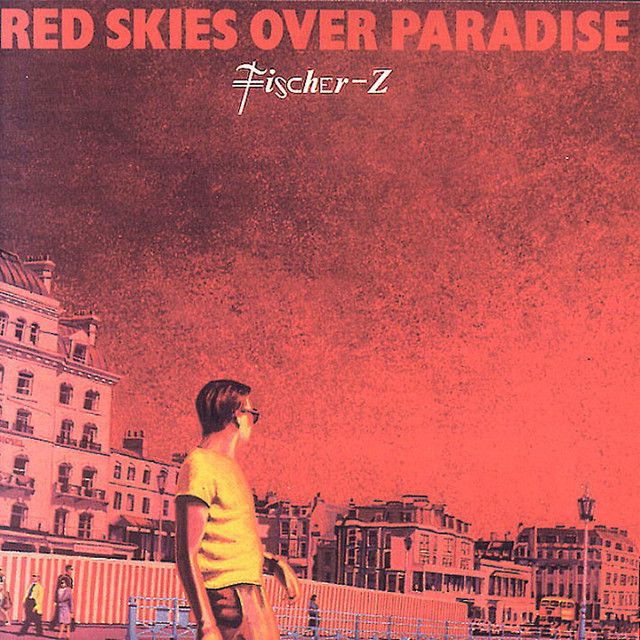
Fischer-Z were known for sharp, literate new wave and post-punk writing, especially around the era of albums like Red Skies over Paradise. That context helps explain why “Berlin” feels observant rather than sentimental. The lyric has detail, but it stays cool enough to let the city speak for itself.
Musically, the song’s alternative and new wave character suits its meaning. A steady rhythm can mirror urban motion, while lean arrangement choices leave room for tension. Even without huge drama, the atmosphere can feel cinematic, matching the hotel room images, street energy, and historic weight.
For readers wanting broader artist background, Fischer-Z built a reputation for mixing political and personal writing. That makes a city portrait like this feel natural in their catalog.
Final Reading: Berlin as Memory in Motion
In the end, the meaning of Berlin Fischer-Z lies in the song’s ability to show a city as both real and symbolic. Berlin becomes a place where old Europe survives, where nightlife masks confinement, and where young idealists walk straight into history.
That is why the song lingers. It does not reduce Berlin to politics, romance, or tourism. It presents the city as a layered human space: tired in the morning, electric at night, and permanently haunted by what came before.
Disclaimer: This interpretation is based on the lyrics provided, historical references within the song, and established context around Fischer-Z. As with any song, listeners may hear different meanings in its images and mood.








