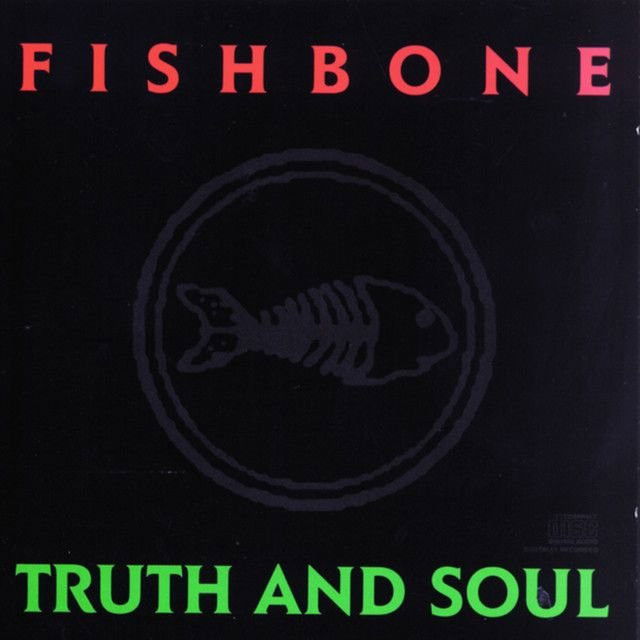
Why Fishbone’s “Ma & Pa” Still Cuts Deep
The meaning of Ma & Pa Fishbone starts with a painful idea: when parents turn a breakup into a battle, the child often carries the deepest wound. Fishbone do not dress that up in soft language. They build the song as a direct accusation, aimed at adults who are so busy hurting each other that they stop protecting the person in the middle.
"Ma & Pa" - Fishbone
There once was a pa that wanted her
I know shes confused, shes my blood sister
Loading lyrics...
Unable to load lyrics
We're unable to display the lyrics at this time. Please try again later.
The band, formed in Los Angeles in the late 1970s, became known for mixing punk, ska, funk, soul, and hard rock into one volatile sound, a reputation widely noted in major band histories and profiles such as Britannica and AllMusic. That restless style matters here. “Ma & Pa” sounds like a household argument turned into music.
The Song’s Core Wound
At its heart, the track is about a broken home seen through the eyes of someone close to the damage. The narrator describes a younger girl trapped in adult conflict and says she is a blood sister
. That detail makes the song feel immediate, not abstract. They are not just judging bad parenting from afar. They are watching family pain happen in real time.
The verses frame the sister as confused, shaken, and changed by divorce. One key line calls her a problem child
, but the song clearly rejects the idea that she was born that way. Instead, it argues that the adults helped create the chaos around her. In plain terms, Fishbone suggest that the label gets put on children after the adults fail them.

Watch the official Ma & Pa
music video
A Chorus That Refuses to Be Polite
The chorus is the song’s moral center. By repeating Hey ma and pa
and asking what the hell is wrong
, Fishbone strip away excuses. This is not a gentle plea for understanding. It is a demand for accountability.
Interpretation: The bluntness matters because the family system in the song has already passed the point of quiet concern. The narrator seems to believe that only a hard truth can cut through the noise. In that sense, the chorus sounds like both protest and desperation.
The Divorce Battle Is Also a Power Struggle
One of the sharpest parts of the song is its suspicion of the legal and emotional machinery around divorce. The lyrics point to money for lawyers and imply that custody is no longer just about care. It has become revenge.
That idea turns the song from a private family story into a social critique. Fishbone are not simply saying two parents fell out of love. They are saying some adults weaponize the breakup itself. The child then becomes proof, leverage, or collateral.
Ma hates pa, pa hates ma
little sister is left to react.
That short passage sums up the emotional geometry of the song. Two adults lock into mutual hatred, and the child is left to absorb the shock.
How the Story Unfolds
The narrative moves in a clear sequence:
- A family splits apart.
- A sister is caught in the middle.
- The parents keep fighting instead of repairing the damage.
- The child starts drifting toward danger and disorder.
- The narrator calls out both parents directly.
That progression is why the song hits so hard. It does not treat the sister’s decline as random. Fishbone connect cause and effect. They imply that when home becomes a war zone, children often search for escape wherever they can find it.
Sound as Meaning, Not Decoration
Because Fishbone are a rock band with deep roots in funk and punk energy, the arrangement likely matters as much as the words. Even without quoting large sections of the lyric, listeners can hear how the song’s tension works: the rhythm pushes forward, the vocal delivery feels urgent, and the repeated hook lands like an intervention.
Interpretation: The music mirrors domestic instability. Instead of a tender ballad about sadness, Fishbone use attack, repetition, and edge. That choice suggests anger is part of the grief. The household is not only sorrowful; it is loud, jagged, and unstable.
This fits the band’s broader reputation for turning social stress into explosive genre fusion, as discussed in sources like The Kennedy Center and NPR. The form amplifies the message.
The Most Important Image in the Song
The line about an angel's feather
stands out because it briefly shifts from plain speech into imagery. In context, it seems to describe fragile love or an idealized idea of family that cannot survive the weight of revenge.
Interpretation: Fishbone may be contrasting softness and violence. Love should be light, protective, and uplifting. But in this home, even love has become part of a fight. That image gives the song a tragic edge: something delicate is being crushed by something ugly.
Why the Song Still Feels Current
The meaning of Ma & Pa Fishbone still resonates because its subject never really ages. Children are still caught in custody wars, emotional manipulation, and homes where adults confuse winning with caring. The song refuses to romanticize family. It asks whether adults are acting like parents at all.
Its lasting power comes from that combination of personal witness and public accusation. Fishbone make the sister specific enough to feel real, but the conflict broad enough to recognize anywhere.
The Takeaway Behind the Anger
In the end, “Ma & Pa” is not angry for the sake of shock. It is angry because a child is being failed. The narrator sees that clearly and turns the song into a warning: when adults make family life about revenge, children often pay in fear, confusion, and self-destruction.
That is the clearest reading of the song, though some details remain open to listener interpretation. Disclaimer: This article offers an informed interpretation based on the lyrics, Fishbone’s style, and available song context; meaning can vary from listener to listener.







