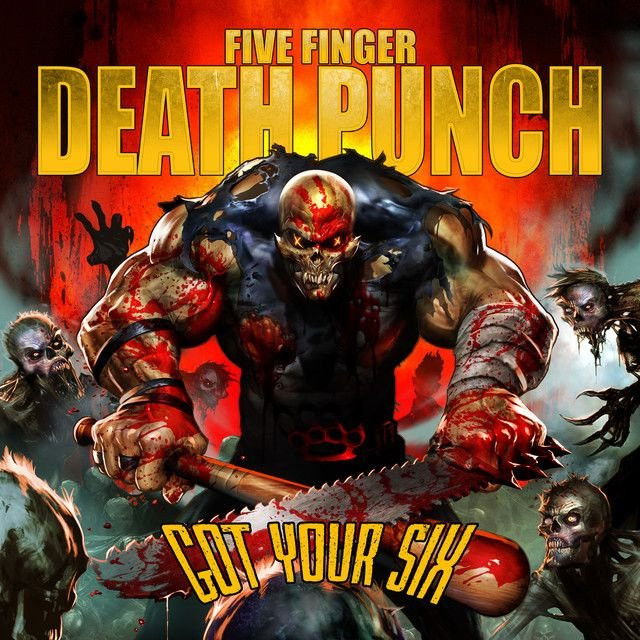
Digging My Own Grave by Five Finger Death Punch
Why This Song Hits So Hard
The meaning of Digging My Own Grave Five Finger Death Punch centers on regret, self-destruction, and the painful feeling that some damage cannot be undone. The song presents a speaker who knows they helped create their own downfall. Instead of blaming others, they look inward and admit that silence, anger, and bad choices led them here.
"Digging My Own Grave" - Five Finger Death Punch
Carving out the headstone
That I own
Loading lyrics...
Unable to load lyrics
We're unable to display the lyrics at this time. Please try again later.
That honesty is what gives the track its weight. Even with the band’s usual hard-rock force, this is not just a song about rage. It is also about guilt. The repeated image of making one’s own burial place turns emotional pain into something physical and impossible to ignore.

Watch the official Digging My Own Grave
music video
The Core Story Beneath the Title
At the song’s center is a person trapped in the consequences of their own actions. The title phrase, digging my own grave
, is a familiar expression for causing one’s own ruin. Here, it becomes more than an idiom. It feels like a full confession.
The verses deepen that idea through cemetery imagery. When the speaker describes walking over graves
and shaping the stone that belongs to them, the song suggests they already see the end result of their choices. They are not shocked by the collapse. They helped build it.
Interpretation: This can be read as emotional, relational, or even spiritual ruin rather than literal death. The song’s language is dramatic, but its heart is recognizable: they said too little, left the wrong way, and now live with the aftermath.
A Voice Caught Between Anger and Shame
One of the strongest details in the lyrics is the push and pull between aggression and helplessness. The speaker compares themselves to a monster in a cage
. That line suggests two things at once: they feel dangerous, but they also feel trapped.
That tension matters because the song never presents anger as power. Instead, anger looks like a prison. The later question about whether there is peace beyond rage turns the song away from simple fury and toward exhaustion.
There is also a ghostlike quality in the repeated self-description of being absent and finished. The speaker sounds emotionally numb, as if they are living after the moment that mattered most has already passed.
How the Regret Builds Line by Line
The song’s emotional peak comes from its admission of missed chances. The speaker does not only regret what they did. They regret what they failed to say. That detail makes the track feel personal.
There's nothing I can change
The things I didn't say
Those short lines capture the whole emotional arc: first acceptance, then remorse. They know the past is fixed, but that knowledge does not bring peace.
Another key line is How I walked away
. That phrase points to a turning point in the story. Whether the speaker left a relationship, a friendship, or a healthier version of themselves, the departure clearly still haunts them.
Grave Imagery as a Symbol, Not Just Shock Value
Five Finger Death Punch often uses blunt, high-impact language, and this song is no exception. But the grave imagery is not there only to sound dark. It gives shape to inward collapse.
Several motifs work together:
- Graves and headstones suggest consequences that are final.
- A cage and maze suggest mental imprisonment and confusion.
- Rage suggests the emotion that drove the damage.
- Silence suggests the things left unsaid that now hurt most.
Interpretation: The song can be heard as a portrait of someone battling addiction, shame, broken relationships, or a cycle of self-sabotage. The lyrics do not lock the meaning to one event, which is likely why many listeners connect to it in different ways.
How the Sound Carries the Meaning
Musically, the track supports the lyrics with a mix of heaviness and space. Five Finger Death Punch are known for hard, punchy riffs and emotionally direct choruses, and that formula fits this song well. The guitars hit with force, while the chorus opens up enough for the regret to land.
The production style associated with the band’s work with Kevin Churko often favors clear, compressed impact: thick guitars, prominent drums, and vocals that stay front and center. That kind of polished heaviness helps this song feel both aggressive and exposed. It is not chaos for its own sake. It is controlled pressure.
Ivan Moody’s vocal delivery is especially important. He moves between a rough, wounded edge and a more melodic plea, which mirrors the song’s central split between rage and remorse. The result is a track that sounds like someone trying to stay hard while admitting they are hurting.
Artist Context Helps Explain the Song
Five Finger Death Punch built their audience on songs that blend survival, anger, pain, and perseverance. Within that larger catalog, this track stands out because it leans more openly into self-blame than defiance.
The credited writers are Ivan Moody, Jeremy Spencer, Kevin Churko, Thomas Jason Grinstead, and Zoltan Bathory. That team helps explain why the song feels so focused: it has the band’s emotional bluntness, but also a tightly shaped hook and vivid imagery.
For many fans, the song’s power comes from that balance. It is heavy enough for rock radio, but specific enough to feel confessional.
The Best Way to Read Its Ending
The final question about peace after rage leaves the song unresolved. It does not offer redemption, and it does not claim healing has arrived. Instead, it ends in the middle of self-awareness.
Interpretation: That unfinished feeling may be the point. The speaker has finally named the problem, but naming it is not the same as escaping it. In that sense, the song is about the moment when denial breaks, and the truth sounds both relieving and brutal.
Final Take on the Song’s Meaning
The meaning of Digging My Own Grave Five Finger Death Punch is ultimately about owning the role they played in their own pain. Through images of graves, cages, and unanswered words, the song turns private regret into a loud, memorable confession.
It resonates because it is not really about death. It is about the terrible clarity that comes after a person realizes they helped destroy something important. That reading is an interpretation, and like many songs, its meaning can shift depending on the listener’s own experience.
Disclaimer: This article offers an informed interpretation based on the lyrics, songwriting credits, and the band’s style. Song meaning can remain open to multiple valid readings.








