Why "Blue on Black" Hits So Hard
The meaning of Blue On Black Five Finger Death Punch, Kenny Wayne Shepherd, Brantley Gilbert, Brian May comes down to grief, helplessness, and the bitter truth that some losses cannot be fixed. Even when people argue, explain, or try to rewrite the past, the damage stays. That is why the song feels so heavy: it turns heartbreak into a set of sharp comparisons that all point to the same idea.
"Blue On Black" - Five Finger Death Punch ft. Kenny Wayne Shepherd, Brantley Gilbert, Brian May
Skin, yeah, chilled me to the bone
You, turned and you ran, ohh yeah
Loading lyrics...
Unable to load lyrics
We're unable to display the lyrics at this time. Please try again later.
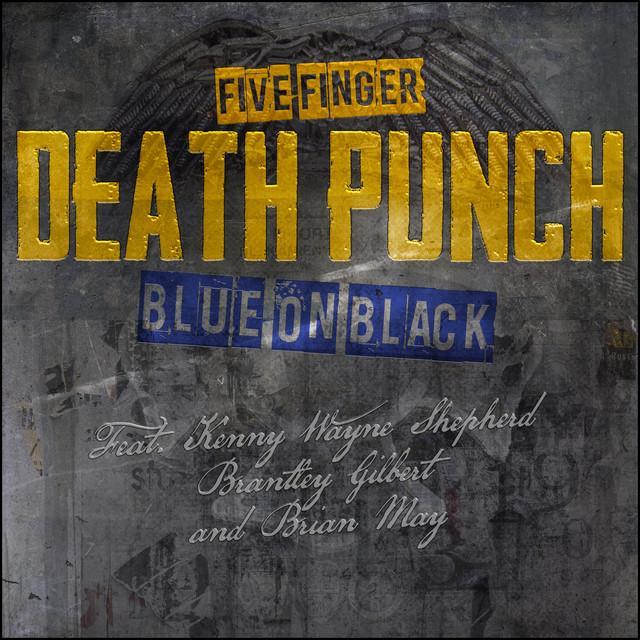
This version is a 2019 remake of Kenny Wayne Shepherd Band's 1998 song, written by Kenny Wayne Shepherd, Mark Selby, and Tia Sillers. Five Finger Death Punch recorded it with Shepherd, Brantley Gilbert, and Queen guitarist Brian May, and they released it as a charity single supporting the Gary Sinise Foundation according to the band's announcement and music press coverage (Five Finger Death Punch, Loudwire). That backstory matters because the song already carried emotional weight, and this all-star version makes it sound even more public, communal, and wounded.
The Core Message Beneath the Hook
At its center, the song is about a person facing absence. The opening images place them in isolation and physical discomfort, as if the world itself has gone cold. When the lyric says a night falls
, it suggests more than evening. It feels like emotional darkness arriving all at once.
Soon after, the song describes something slipping away. That loss could be a relationship, a chance to repair one, or even a person through death. The key point is that they cannot hold on. When the chorus lands on blue on black
, it presents a picture of one dark shade disappearing into another. In plain terms, pain meets more pain, and the difference barely matters.

Watch the official Blue On Black
music video
Why the Chorus Uses Strange Comparisons
The chorus is built from pairings that sound simple but sting on closer listen. Images like tears on a river
and push on a shove
suggest tiny actions against huge forces. A tear disappears into a river. A push becomes just another part of a larger struggle. The result is a feeling of futility.
That is the song's real trick. Instead of saying "nothing can change this" in a direct way, it stacks examples where one thing is swallowed by another. The comparisons are memorable because they are easy to picture, but they also carry emotional logic. A person in shock often thinks in fragments, not speeches.
Whisper on a scream
Never change a thing
Doesn't bring you back
This short passage is the emotional center of the lyric. It moves from contrast, to regret, to finality. The song is no longer just describing pain. It is admitting that even if they replay every mistake, the lost person or lost bond will not return.
A Voice Caught Between Regret and Realization
The narrator begins in confusion and hurt, then reaches a grim clarity. A line like now I see
signals that shift. They understand more than they did before, but that knowledge does not heal them. In fact, it may hurt more.
Interpretation: this is why the song resonates with people after breakups, deaths, and broken friendships alike. The lyric stays broad enough to fit many kinds of loss. It never names the exact event, so listeners can place their own story inside it.
There is also a tension between truth and falsehood in the second verse. The song hints that blame, half-truths, or things left unsaid helped cause the split. But it does not turn into a revenge song. It stays focused on consequence, not attack.
How the 2019 Version Changes the Feeling
The original Kenny Wayne Shepherd recording came from a blues-rock world, with a moody groove and a smoky sense of reflection. Five Finger Death Punch keep that core, but they add a thicker hard-rock frame. Ivan Moody's vocal brings a rough, wounded edge, while Kenny Wayne Shepherd's guitar preserves the song's blues DNA. Brantley Gilbert adds a rootsy, Southern-rock presence, and Brian May's guitar gives the track a grand, almost ceremonial shine (Kenny Wayne Shepherd, Brian May).
That blend matters to the meaning. Blues suggests suffering lived through over time. Metal and modern hard rock make the feeling more immediate and forceful. Instead of private sorrow alone, this version sounds like grief shouted into open air.
Sound, Texture, and Emotional Weight
The arrangement supports the lyric's sense of inevitability. The tempo is steady rather than frantic, which makes the song feel resigned instead of chaotic. Heavy guitars create pressure, while the spacious pauses let each line sink in.
The chorus also works because it is simple. The repeated title phrase becomes almost hypnotic. Every return to blue on black
feels like another wave of acceptance, even if that acceptance is painful.
Interpretation: the music suggests that grief does not move in a straight line. It circles. The song circles too, returning again and again to the same image because the mind does the same after loss.
The Most Likely Meaning for Most Listeners
For many listeners, the song is about irreversible loss. That could mean:
- the end of a relationship
- the death of someone loved
- guilt over words that cannot be taken back
- the realization that some damage stays done
That final point is probably the song's strongest idea. The lyric does not promise closure. It offers recognition. Sometimes a person cannot fix what happened; they can only see it clearly.
Why the Song Still Connects
The reason this song lasts is its balance of mystery and precision. It is specific in mood but open in story. Anyone who has felt small beside a huge grief can hear themselves in it.
The collaborative remake gave the song new reach, but it did not change its heart. It remains a meditation on how sorrow can blur everything around it until all that is left is contrast, emptiness, and memory.
Final Take on Its Dark Beauty
The meaning of Blue On Black Five Finger Death Punch, Kenny Wayne Shepherd, Brantley Gilbert, Brian May is not just sadness. It is the recognition that some emotions overpower language, so the song turns to images instead. Blue on black is what loss feels like when pain fades into a larger darkness.
That reading is an interpretation, not a confirmed single meaning. Like many strong songs, "Blue on Black" leaves room for listeners to hear their own story in it.








