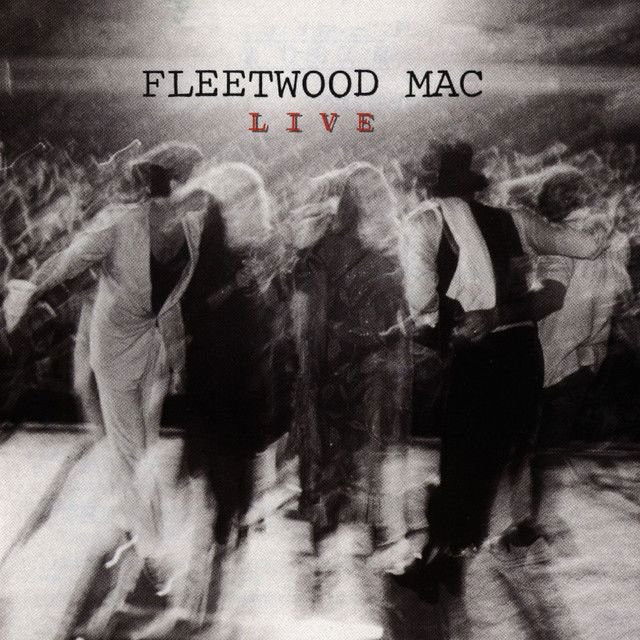
Over My Head by Fleetwood Mac
Why This Soft Hit Still Pulls People In
The meaning of Over My Head Fleetwood Mac starts with a simple tension: they are drawn to someone who feels wonderful and frustrating at the same time. Christine McVie’s song captures the moment when attraction becomes emotional imbalance. They know this person can lift them up, let them down, and still keep them coming back.
"Over My Head" - Fleetwood Mac
And then again you can be as cold ice
I'm over my head (over my head)
Loading lyrics...
Unable to load lyrics
We're unable to display the lyrics at this time. Please try again later.
That mix of pleasure and danger is why the song lasts. It is not a grand tragedy or a bitter breakup song. Instead, it lives in a more familiar place: wanting someone whose moods and signals are hard to trust.

Watch the official Over My Head
music video
The Core Meaning Hides in the Push and Pull
At its heart, the song is about romantic surrender with open eyes. The singer is not naïve. They see the inconsistency. They feel the sting. Yet they admit the relationship still feels good.
A few short lines make that clear. One moment the other person can take them to paradise
; the next, they are cold as ice
. That swing between warmth and distance defines the whole song.
Interpretation: the title phrase over my head
suggests more than a crush. It points to feelings that have gone beyond logic or self-protection. They are in too deep, but they are not ready to leave.
Christine McVie’s Point of View Matters
This was written by Christine McVie for Fleetwood Mac’s 1975 self-titled album, and research around the song has shaped how many listeners hear it. McVie later said the track was based on a fantasy about Lindsey Buckingham, calling it an ode to the gorgeous Lindsey
at the time. That detail is widely cited in song histories and summaries of the track’s background.
Factually, the song was recorded in February 1975 and released as a single in the U.S. in September 1975. It became an important early breakthrough for the band’s classic mid-1970s lineup, reaching No. 20 on the Billboard Hot 100 and helping the album’s rise in the U.S. mainstream. It was also the band’s first Hot 100 hit since "Oh Well", ending a six-year gap.
That context matters because the song sounds intimate, but it also sits at a turning point for Fleetwood Mac. They were becoming a new band in public, and this track helped introduce that new chemistry.
A Relationship Built on Uneven Signals
The Verses Show Emotional Whiplash
The song’s story moves in cycles rather than events. The singer offers availability and closeness, hoping the other person might return that love. But the response is unstable.
The sharpest image is the comparison to a circus wheel
. Instead of saying the person is just moody, the lyric turns that instability into motion. Their feelings spin around. They change quickly. The singer cannot get a firm emotional footing.
That image explains the deeper hurt in the song. This is not only about desire; it is also about uncertainty wearing someone down. When the singer admits they sometimes feel they are wasting time, the song briefly shifts from dreamy to sober.
The Chorus Makes the Contradiction Plain
The refrain is what gives the song its bite. They are overwhelmed, but they like it. That is the contradiction people recognize in real life.
Interpretation: the chorus is not celebrating chaos. It is confessing how seductive chaos can be when attraction is involved. The person at the center of the song may hurt the singer’s pride, but the emotional high remains hard to resist.
How the Sound Softens the Pain
One reason the song feels so memorable is that the arrangement does not dramatize the hurt. It smooths it out. According to documented accounts of the session, the track grew from a rhythm foundation into a layered arrangement with McVie’s electric piano and Vox Continental organ, plus guitar textures from Lindsey Buckingham.
That matters for meaning. The song sounds warm, breezy, and almost easygoing. Mick Fleetwood’s drums and bongos keep it gently moving, while John McVie’s bass anchors the track. Buckingham’s guitar adds sparkle rather than aggression. Stevie Nicks and Buckingham’s backing vocals give the chorus a soft lift instead of a sharp edge.
So even when the lyrics describe bruised pride and inconsistency, the music says: this still feels attractive. Critics noticed that balance at the time, praising McVie’s husky lead vocal and the clean, confident sound.
Why the Song Was So Important for Fleetwood Mac
"Over My Head" was more than a good single. It helped prove that this version of Fleetwood Mac could reach a huge American audience. Reprise chose it as the lead U.S. single, and the label even backed it with a strong radio push. The song’s success helped the 1975 album grow into a blockbuster.
There is also a craft story behind it. In a 2025 Library of Congress interview, Lindsey Buckingham said he revised the bridge early in rehearsal because it originally felt too angular. Whether listeners know that detail or not, the final version does feel especially fluid. Nothing jars. The arrangement glides, which suits a lyric about drifting deeper into unstable feelings.
The Lasting Meaning of “Over My Head”
The meaning of Over My Head Fleetwood Mac is ultimately about emotional imbalance that still feels irresistible. It shows how a person can recognize a bad pattern and remain under its spell anyway.
That is why the song still connects. It does not judge the singer for wanting too much. It simply tells the truth: sometimes love, or the idea of love, can feel wonderful even when it is clearly risky.
Disclaimer: This interpretation separates documented facts about the song’s writing and release from critical reading of its lyrics. As with most songs, meaning can remain personal and open to debate.








