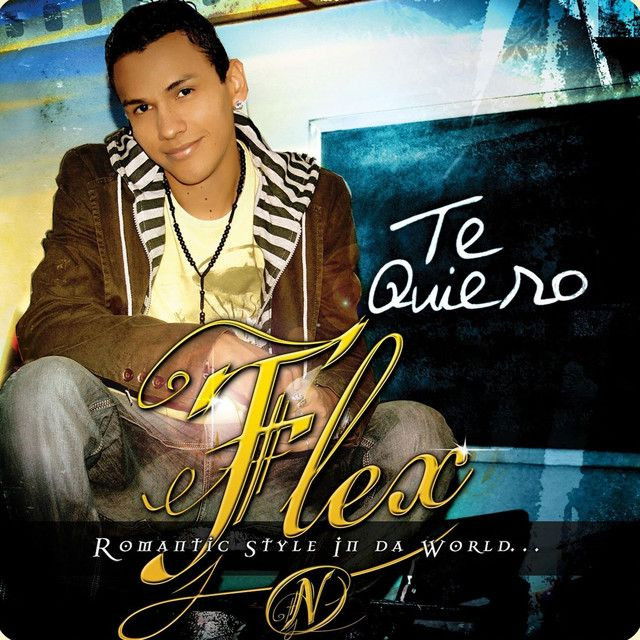
Why "Te Quiero" by Flex Still Feels So Pure
The meaning of Te Quiero Flex starts with a simple idea: being so in love that everyday life suddenly feels brighter, lighter, and more musical. Flex does not build the song around drama or heartbreak. Instead, they center it on admiration, gratitude, and emotional dependence. The speaker is overwhelmed by how much one person has changed their inner world.
"Te Quiero" - Flex
En la monarquía
Master
Loading lyrics...
Unable to load lyrics
We're unable to display the lyrics at this time. Please try again later.
That directness is a big reason the song connected so widely in the United States and across Latin America. Released in 2007 as Flex's debut single from his debut album Te Quiero: Romantic Style in da World, the track became a major crossover hit. It later won the 2009 Billboard Latin Music Award for Latin Rhythm Airplay Song of the Year, which helps explain why so many listeners still remember it as a defining romantic reggaeton song.
A Love Song Built on Joy, Not Conflict
At its core, "Te Quiero" is about emotional transformation. The singer says that after meeting this person, life feels happier and fuller. When the chorus repeats te quiero
and yo vivo tan feliz
, the point is not complexity. The point is certainty. They are not questioning their feelings; they are announcing them.
This matters because many love songs focus on tension. Flex goes another way. The song presents love as a stabilizing force, almost like a new source of energy. The beloved is not just attractive. They become the reason the speaker feels inspired, calm, and complete.

Watch the official Te Quiero
music video
The Speaker's World Gets Rewritten
The verses expand that central feeling. The singer wants to hold this person close, sing to them, and shower them with signs of affection. Those gestures are romantic, but they also show something deeper: they want to turn feeling into action.
A key part of the meaning of Te Quiero Flex is how love reshapes perception. The beloved is described as a guiding light and as the source of melody and poetry. In other words, the song says love does not just improve life. It gives life form and meaning.
tú eres el lucero
sin tu inspiración
That short image captures the song's emotional logic. The other person is both a star to follow and the spark behind creativity. Interpretation: this can be heard as sweet exaggeration, but it also reflects the way first-stage love makes everything feel newly vivid.
The Chorus Says the Most Important Thing
The chorus is repetitive on purpose. In a song like this, repetition acts like proof. Every return to baby, te quiero
reinforces the same emotional truth: the speaker is fully convinced that this love has changed them for the better.
There is also a subtle contrast between simplicity and intensity. The words are easy to understand, yet the feeling is huge. That balance helped make the track so accessible. Listeners did not need dense poetry to understand what Flex meant. They only needed to hear how strongly the line was delivered.
Why the Hook Sticks
Three things make the hook memorable:
- it uses plain, universal language
- it pairs affection with happiness, not pain
- it leaves space for the melody to carry emotion
That last point is important. The chorus works because the vocal line feels soft and open rather than aggressive.
Romantic Imagery Without Heavy Symbolism
The song uses familiar images: roses, stars, breathing, songs, and night-and-day longing. None of these symbols are hard to decode. They all point back to devotion. When the singer suggests they miss this person constantly, including de noche y de día
, they are showing total emotional presence.
The breathing image is especially strong. Saying life without the beloved feels like losing air turns attraction into necessity. Interpretation: this is not meant as a literal claim. It is the language of idealized love, where the other person starts to feel essential to survival.
That idealization is one reason the song feels youthful. It captures the stage of romance where admiration becomes almost absolute. Everything about the beloved appears larger than life.
How the Sound Carries the Message
"Te Quiero" is usually described as reggaeton, but its emotional effect comes from how gently it handles the style. The beat is steady and radio-friendly, yet the mood is tender rather than club-focused. Producers Elian Davis and Predikador keep the groove smooth, giving Flex room to lean into melody instead of force.
This softer production is crucial to the meaning of Te Quiero Flex. If the instrumental were harder or darker, the lyrics might sound possessive or exaggerated. Instead, the bright synths, light percussion, and singable chorus make the devotion feel innocent and earnest.
That sonic approach also helped the song travel across formats. According to Billboard chart data, it reached No. 1 on multiple U.S. Latin charts and even entered the Hot 100. The production made it flexible enough for reggaeton fans, pop listeners, and romantic radio alike.
Why It Landed So Deeply in Its Moment
Flex arrived during a period when reggaeton was expanding beyond party records into more melodic, romantic territory. "Te Quiero" fit that shift perfectly. It offered rhythm without toughness and sweetness without irony.
The song's reception supports that reading. It became Flex's biggest hit, served as the main theme for the Mexican telenovela Central de Abastos, and remained culturally visible through remixes and later versions, including recordings with Belinda. That broad afterlife suggests listeners heard more than a catchy chorus. They heard a fantasy of uncomplicated love.
Final Take on the Song's Heart
In the end, the meaning of Te Quiero Flex is not hidden. The song is about being changed by love so completely that happiness, music, and identity all seem to flow from one person. Its power comes from sincerity, repetition, and a warm sound that makes big feelings feel believable.
Interpretation disclaimer: Song meaning is always partly subjective. This reading is based on the lyrics, the song's production, and documented release context, but different listeners may hear its emotions in different ways.








