Whistle by Flo Rida: The Hook Behind the Wink
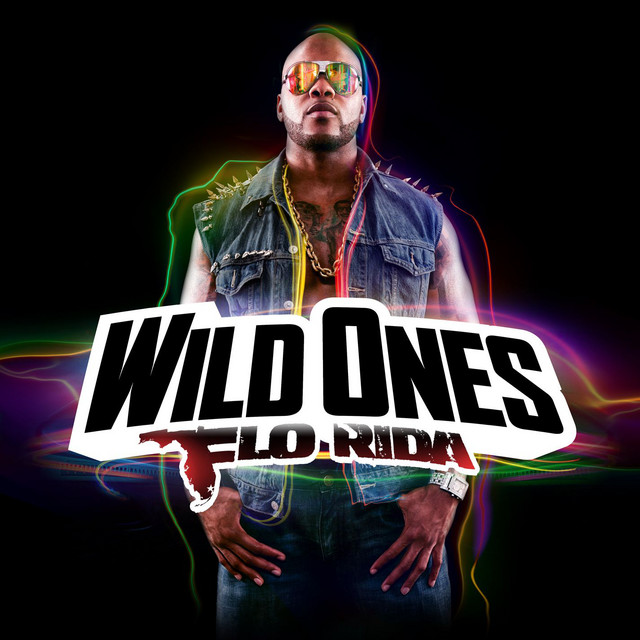
The meaning of Whistle Flo Rida is not especially mysterious, but it is clever in how it packages adult innuendo inside a bright pop-rap hit. Released in 2012 and included on the deluxe edition of Wild Ones, the track helped extend Flo Rida’s run of radio-friendly crossover singles. Factually, the song is credited to Tramar Dillard and a team of co-writers, and it fits the rapper’s established mix of club energy and mainstream hooks.
"Whistle" - Flo Rida
Let me know
Girl I'm gonna show you how to do it
Loading lyrics...
Unable to load lyrics
We're unable to display the lyrics at this time. Please try again later.
What makes the song interesting is not whether it is subtle. It is not. The real question is why such an obvious double meaning worked so well with a huge pop audience.
A Pop Song Built on a Double Meaning
At its core, the song turns the act of whistling into a sexual metaphor. The chorus gives instructions that sound almost innocent on the surface, but the verses remove much of the doubt. Phrases like whistle baby
and start real slow
frame the interaction as playful, teasing, and controlled.
Interpretation: The song’s main trick is contrast. It wraps adult content in a melody that feels breezy, almost childlike, because whistling is usually linked with something casual and harmless. That mismatch creates the song’s tension and much of its commercial appeal.
Flo Rida had already built a career on party records that balance rap swagger with easy pop structure. “Whistle” follows that formula closely: simple hook, clear rhythm, and lyrics aimed at flirtation rather than storytelling.
Watch the official Whistle
music video
How the Verses Push the Song’s Meaning
The verses make the subtext clearer by piling up references to lips, technique, control, and performance. When the narrator says put your lips together
, the song pretends to describe a literal whistle, but the surrounding lines point elsewhere.
There is also a bragging voice throughout the verses. Flo Rida presents the speaker as confident, flashy, and sexually self-assured. References to luxury, status, and performance fit a familiar pop-rap character: someone who turns seduction into a game and treats attraction like a skill.
Who is speaking to whom?
The speaker addresses a woman directly, guiding and encouraging her. That makes the song feel conversational, even instructional. The repeated let me know
turns the chorus into a call-and-response moment, which helps the listener feel pulled into the scene.
Interpretation: This direct address is one reason the song became so catchy. It invites participation, even while the actual meaning stays suggestive.
Why the Chorus Was Made for Radio
The chorus is the engine of the entire track. It repeats one image so often that the listener remembers it long after the song ends. That is classic pop writing: reduce the message to one sound, one action, and one phrase.
Can you blow my whistle baby
And we start real slow
Even here, the song balances two things at once. It stays simple enough for sing-alongs, but suggestive enough to feel edgy. That balance helped it cross from rap into mass pop spaces, including radio, parties, and sports settings.
Interpretation: The hook works because listeners can engage with it at different levels. Some hear a novelty whistle song. Others hear the obvious innuendo. Pop hits often succeed when they leave just enough room for both reactions.
The Production Sells the Joke
The track’s sound is a big part of its meaning. It uses a bright whistle melody, clean dance-pop drums, and a light, springy beat. Instead of dark or heavy production, the music feels sunny and playful. That choice matters.
A darker beat might have made the song feel too blunt. Instead, the production softens the explicitness. The whistle line acts almost like a mascot for the song’s concept, keeping everything bouncy and cartoonish.
This is very much in line with Flo Rida’s early-2010s run, where singles were designed for maximum crossover. The rap verses bring attitude, but the chorus and instrumental aim straight at pop radio. That blend is a major reason the song performed so strongly in the mainstream.
A Snapshot of Flo Rida’s Pop-Rap Era
“Whistle” arrived during a period when Flo Rida specialized in highly commercial singles. Songs from that era often leaned less on lyrical depth and more on rhythm, hooks, and repeat value. In that context, “Whistle” is almost a perfect case study.
It shows how his music often worked:
- a simple central image
- club-ready momentum
- flirtatious or boastful verses
- a chorus anyone could remember after one listen
That does not make the song shallow by default. It simply means its purpose is immediate impact, not emotional confession.
Is There Any Deeper Meaning?
There is not much evidence that the track aims for hidden emotional depth. The most grounded reading is also the strongest one: it is a playful, knowingly provocative party song built around innuendo.
Still, there is a broader cultural layer. Interpretation: The song reflects a pop era when mainstream hits often tested how far they could push sexual suggestion without becoming too explicit for wide release. “Whistle” sits right on that line. It turns adult content into a catchy mass-market product.
That tension is probably why the song still gets discussed. People remember the hook because it is fun, but they also remember the wink behind it.
The Lasting Takeaway
The meaning of Whistle Flo Rida comes down to packaging. Flo Rida and his collaborators took a very direct sexual metaphor and delivered it through one of the lightest, catchiest hooks of the 2010s. The words flirt, the beat bounces, and the whistle sound keeps the whole thing radio-friendly.
For listeners, that is the song’s real achievement. It is not subtle, but it is efficient. It knows exactly what kind of pop record it wants to be, and it hits that target almost perfectly.
Disclaimer: This interpretation is based on the song’s lyrics, tone, and cultural context. As with any pop song, listeners may hear its meaning a little differently.