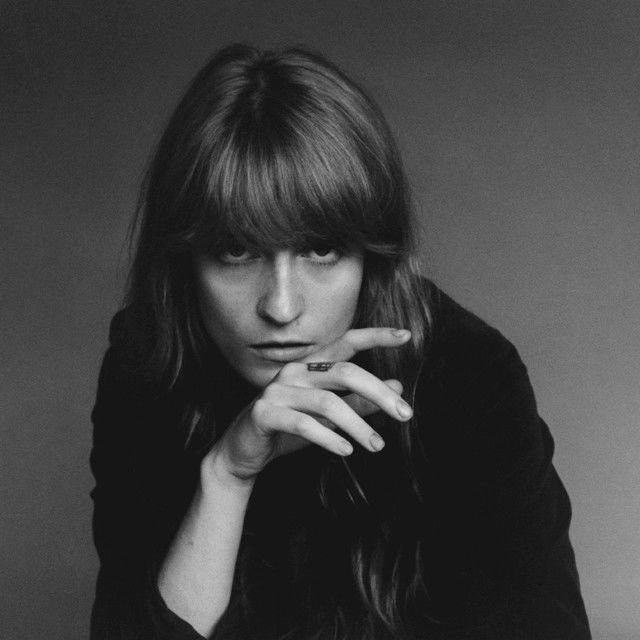
Mother by Florence + the Machine
Why This Song Feels Like a Prayer and a Breakdown
The meaning of Mother Florence + the Machine centers on emotional collapse, surrender, and the wish to be transformed by nature. The song does not sound calm, even when its words accept defeat. Instead, it stages a struggle between pain and release.
"Mother" - Florence + the Machine
Leave me on my knees
'Cause I belong to the ground now
Loading lyrics...
Unable to load lyrics
We're unable to display the lyrics at this time. Please try again later.
Factually, “Mother” is credited to Florence Welch and Paul Epworth, two frequent creative partners in Florence + the Machine’s catalog. It appears on How Big, How Blue, How Beautiful, the 2015 album that marked a big emotional and sonic chapter for the band. Album and credit details are documented by sources such as Discogs and AllMusic.
At its core, the song captures someone who has been hurt by love and no longer trusts ordinary comfort. They ask for help, but not in a simple way. Rather than asking to be healed directly, they ask to become something larger, older, and less fragile.

Watch the official Mother
music video
The Speaker Wants to Disappear Into the Earth
One of the song’s clearest ideas is surrender. Early on, the speaker asks to be left low and broken, repeating the image of belonging to the ground. When they say belong to the ground
, the line suggests more than sadness. It sounds like they want to stop resisting pain.
This is not just self-pity. It feels closer to a ritual of letting go. The repeated appeal to Oh lord
frames the song like a prayer, but the prayer is unusual. Instead of asking for rescue, they ask to remain in the state they are already in.
Interpretation: this may reflect the stage after heartbreak when fighting the feeling seems pointless. The song accepts that grief has already taken over, and it searches for meaning inside that collapse rather than outside it.
Love Is the Wound Hiding Under the Prayer
The song eventually names the source of the pain. The speaker asks, in effect, whether anyone can protect them from their own desire and from the love they allowed in. That idea matters because it shifts the song from general suffering to emotional accountability.
The pain did not come only from another person. It also came from wanting, trusting, and opening up. The brief phrase what I want
points to that tension. They are not only afraid of being abandoned; they are afraid of their own hunger for connection.
That is why ordinary romance scenes feel unbearable. The image of couples kissing in public turns the city into a place of pressure. Even a party becomes too hot to stay in. Instead of joining life, the speaker slips out of it.
The “Mother” Figure Is Bigger Than One Person
Nature as comfort, witness, and force
The title figure is not presented like a realistic mother in a conversation. “Mother” feels more symbolic. It can suggest Mother Nature, a divine feminine power, or even the idea of creation itself.
The speaker begs this force to change their form: tree, cloud, bird, song. Each transformation points to a different kind of survival. A tree can shed its leaves and endure a season of loss. A cloud can release what cannot be spoken. A bird of prey can rise above pain. A song can turn suffering into beauty.
Make me a big tall tree
let it blow through me
That two-line moment expresses the song’s deepest wish. They do not want pain erased. They want to become strong enough for pain to move through them without destroying them.
City Images Show a Mind Out of Step
The song’s details on the street are small but sharp. The speaker leaves a party, loses their shoes, wanders outside, and puts their feet in a fountain. Those actions create a picture of someone drifting through a city while emotionally cut off from it.
The statues are asleep, and the fountain offers no magic relief. Even the old idea of wishing on water fails here. This matters because the song places spiritual longing in a modern setting that cannot answer it.
Interpretation: the city scenes may represent emotional alienation. Everything around them is public, crowded, and solid, yet none of it helps. That contrast makes the call to “Mother” feel even more urgent.
How the Sound Strengthens the Meaning
“Mother” belongs to Florence + the Machine’s alternative art-rock world, where drums, piano, layered vocals, and rising dynamics often turn private feelings into something dramatic. Reviews of How Big, How Blue, How Beautiful regularly noted the album’s scale and emotional intensity, including coverage from Pitchfork and The Guardian.
In this song, that kind of arrangement helps the meaning land. The repeated invocations feel almost chant-like, while the swelling instrumentation makes grief sound physical. Florence Welch’s voice does not just describe anguish; it performs it, moving between pleading and force.
That musical design supports the song’s central idea: pain is heavy, but it can also become elemental. The production turns heartbreak into weather, ritual, and movement.
What “Mother” Ultimately Means
The meaning of Mother Florence + the Machine is not simply that heartbreak hurts. It is that heartbreak can push someone to seek a new form of being. The speaker feels undone by love, but they do not ask to go backward. They ask to be remade.
That is why the song stays powerful. It connects spiritual language, body language, and nature imagery into one emotional argument: when human comfort fails, people may look for a bigger force to hold their pain.
For some listeners, “Mother” is about post-breakup grief. For others, it is about depression, exhaustion, or the need to surrender control. Both readings fit the text. Interpretation: its lasting power comes from how it turns private suffering into mythic imagery without losing the raw human ache underneath.
Disclaimer: This interpretation is based on the song’s lyrics, recorded performance, and publicly available credits and reviews. As with any art, listeners may hear meanings that differ.
Sources
- https://www.discogs.com/master/831998-Florence-The-Machine-How-Big-How-Blue-How-Beautiful
- https://www.allmusic.com/album/how-big-how-blue-how-beautiful-mw0002821086
- https://pitchfork.com/reviews/albums/20602-how-big-how-blue-how-beautiful/
- https://www.theguardian.com/music/2015/may/28/florence-and-the-machine-how-big-how-blue-how-beautiful-review








