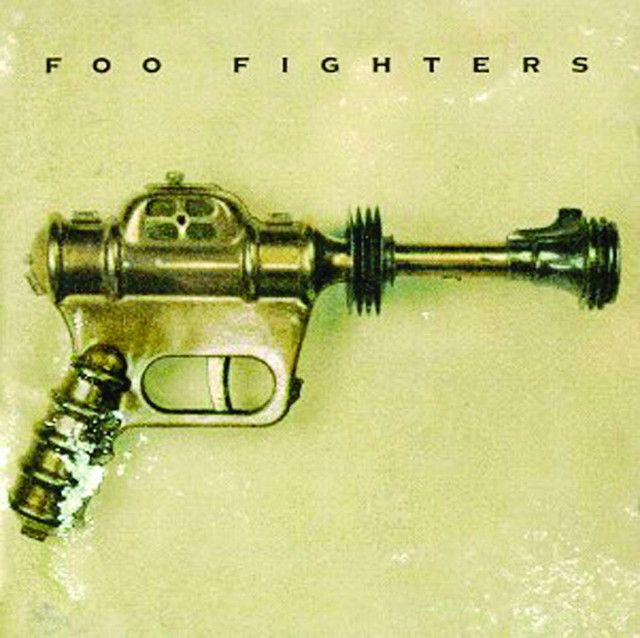
Alone + Easy Target by Foo Fighters
The meaning of Alone + Easy Target Foo Fighters starts with a simple feeling: being exposed. The song does not tell a clean story with named characters or a clear plot. Instead, it throws out broken images, nervous thoughts, and a chorus that keeps circling back to one fear. That makes it feel less like a diary entry and more like a panic state turned into rock music.
"Alone + Easy Target" - Foo Fighters
They're not dumb, they were so wrong
She's not always fun
Loading lyrics...
Unable to load lyrics
We're unable to display the lyrics at this time. Please try again later.
Factually, the song was written by Dave Grohl and appeared on Foo Fighters’ 1995 self-titled debut, with Grohl performing all the instruments on the album version and producing with Barrett Jones. It was later issued as a U.S. radio-only promo single in 1996, according to the available release history in the provided research sources.
The Core Idea Hiding in Plain Sight
At the center of the song is a person who feels emotionally cornered. The chorus says it most clearly with I'm alone
and easy target
. Those are short words, but they carry a heavy idea: when someone feels cut off from support, they also feel easier to judge, hit, or manipulate.
Interpretation: The song seems to describe social vulnerability as much as physical loneliness. It is not just about being by oneself. It is about feeling unprotected in front of other people.
That is why the repeated wish to escape matters so much. When the singer says I want out
, it sounds like a need to leave a bad headspace, a bad relationship, or a draining environment. The lyric never locks into one answer, and that open space is part of the song’s power.

Watch the official Alone + Easy Target
music video
Why the Verses Feel So Fragmented
The verses are full of phrases that seem half-connected. They mention being misunderstood, mocked, and mentally worn down. One line hints that others saw the problem before the speaker did. Another suggests ridicule, as if people are laughing rather than helping.
Interpretation: This broken writing style mirrors a mind under strain. Instead of neat explanation, the song gives flashes of thought. That makes the listener feel the confusion rather than just hear about it.
The stranger images deepen that effect. References to TV dreams, chewing words, and tearing at seams all suggest distortion. Reality feels fuzzy. Communication feels damaged. Even language itself seems to break down under pressure.
The Chorus Turns a Feeling Into a Hook
The song’s emotional center lands in the chorus because it is direct where the verses are messy. One phrase, Metronome
, adds an interesting detail. A metronome keeps strict time, so its appearance can suggest mechanical repetition, routine, or the feeling of being trapped in a cycle.
Interpretation: The chorus may be saying that the speaker is stuck in the same painful rhythm over and over. They are isolated, exposed, and aware of it. That awareness does not free them. It just makes the feeling sharper.
Later, the repeated question Did you ever listen?
changes the song’s mood. It adds hurt and accusation. This is not just private suffering anymore. It points toward failed communication. Someone was supposed to hear the distress and did not.
Sound and Production: Where the Meaning Gets Louder
A big part of the meaning of Alone + Easy Target Foo Fighters comes from the sound. The track uses distorted guitars, a hard-driving rhythm, and a vocal delivery that moves between control and strain. Even without the words, the performance feels tense.
Because Grohl played the album version largely by himself, the song also carries the force of a personal statement. On Foo Fighters’ debut, that one-man-band setup gave many tracks a raw, urgent quality. Here, that urgency fits the lyric perfectly: the arrangement sounds like someone trying to push through inner noise.
The dynamic shifts matter too. The verses feel coiled and unstable, while the chorus opens up into a bigger, louder release. But it is not a peaceful release. It is the kind that comes from pressure bursting through. That keeps the song from sounding reflective or calm. It stays in motion.
The Song’s Place in Dave Grohl’s Early Story
Research on the song’s history describes it as one of Grohl’s early compositions, with a demo existing as far back as 1991. The supplied material also includes the well-known anecdote that Kurt Cobain heard it during the Nirvana era and responded warmly. That matters because it shows Grohl was already developing a strong songwriting voice before Foo Fighters became a full project.
That context can shape how listeners hear the track. Interpretation: “Alone + Easy Target” can be heard as an early identity song. It sounds like someone discovering what they want to say, but doing it through anxiety, abrasion, and emotional risk rather than polished clarity.
More Than One Way to Read It
There are at least two strong readings:
- Inner turmoil reading: The song captures anxiety, depression, or emotional overload.
- Social conflict reading: The song addresses a person or group who ignored, mocked, or failed to understand the speaker.
Both work because the lyrics stay abstract. The song never narrows itself too much, so listeners can bring their own experience to it.
I'm aloneand I'm an easy target
Those two lines are the clearest summary of the song’s emotional world. Everything else in the track seems to orbit around them.
Why the Song Still Connects
Part of the song’s staying power is that it feels honest without over-explaining itself. It captures the moment when fear turns into self-awareness, and self-awareness turns into a cry to escape. That emotional arc is easy to recognize, even when the imagery stays jagged.
In the end, the meaning of Alone + Easy Target Foo Fighters is less about one fixed event and more about a state of mind: isolation, exposure, and the desperate wish to break out of a damaging cycle.
Disclaimer: This interpretation is based on the lyrics, performance, and documented song history. Like many Foo Fighters songs, its meaning is not officially limited to one single reading.








