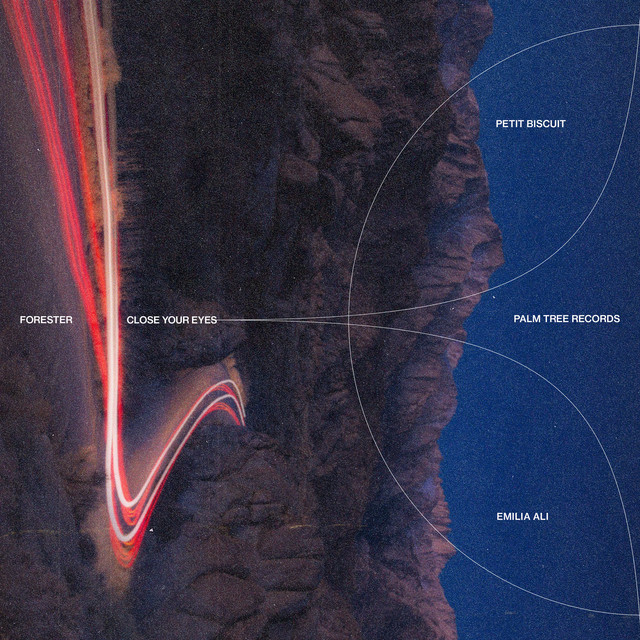
Why “Close Your Eyes” Feels So Safe
The meaning of Close Your Eyes Forester, Petit Biscuit, Emilia Ali centers on a simple but powerful act: one person staying awake so another person can rest. On the surface, the song describes a late-night drive home. Under that, it becomes a portrait of trust, care, and quiet intimacy.
"Close Your Eyes" - Forester, Petit Biscuit, Emilia Ali
I can see that you're tired
Telling me that you're not, but
Loading lyrics...
Unable to load lyrics
We're unable to display the lyrics at this time. Please try again later.
What makes the track stand out is how small the scene is. There is no big argument, no dramatic twist, and no huge declaration of love. Instead, the writers build meaning from ordinary details: tired eyes, passing traffic lights, switched seats, and a promise that everything will be alright. That restraint gives the song its emotional pull.
A Love Song Built on Protection
At its core, the song is about reassurance. The speaker notices the other person is exhausted, even when they deny it. The line with sweet when you’re lying
is not cruel or mocking. It sounds affectionate, as if the speaker sees through the act and responds with care instead of judgment.
From there, the message becomes practical: rest, let go, trust me. The repeated idea of close your eyes
works like both an instruction and a blessing. It asks the tired person to stop performing strength and accept support.
Interpretation: this is why the song feels more intimate than many romantic tracks. It is not really about passion in the dramatic sense. It is about reliability. Love here means taking responsibility for someone else’s peace.
The Night Drive Is the Whole Metaphor
The song’s setting matters. Driving at night often suggests transition, vulnerability, and a pause between one place and another. In this track, the road is not dangerous chaos. It is controlled, steady, and strangely comforting.
When the speaker says when I’m driving
, the phrase becomes the emotional center of the song. It means more than handling the car. It means carrying the burden, staying alert, and guiding both of them home.
That idea grows stronger with the street imagery. They know the route, they know the signs, and the traffic lights keep moving overhead. These details make the promise believable. The song does not offer empty comfort. It offers concrete comfort: they know the road, and they will stay awake.
How the Lyrics Move Scene by Scene
The writing follows a clear emotional timeline:
- The speaker notices hidden exhaustion.
- They offer safety instead of pressure.
- They take control of the trip by switching seats.
- They repeat the promise until it feels real.
- They imagine morning and arrival, which turns the drive into a path toward relief.
That structure is why the song feels so soothing. Each section removes a little more tension. Even the phrase we’ll be home by the morning
points forward to rest, not uncertainty.
There is also a subtle emotional intelligence in the lyrics. The speaker does not shame the other person for being tired. They do not force a confession. They simply observe, reassure, and act. In songwriting terms, that makes the narrator feel dependable.
Why the Chorus Lands So Deeply
The hook repeats one thought rather than expanding it. That choice mirrors the state of being half-awake in a moving car, where one calming sentence can become almost hypnotic. Repetition turns reassurance into atmosphere.
Promise you’re safe with me
You can sleep when I’m driving
This brief refrain says almost everything important in the song. One line gives emotional safety; the next gives physical safety. Together, they create the track’s central bond.
Interpretation: the chorus may also speak to emotional labor in relationships. One person chooses vigilance so the other can surrender control for a while. That is a small act, but the song treats it as meaningful.
Sound Design That Matches the Message
Forester and Petit Biscuit both work in melodic electronic spaces, so it makes sense that the production leans soft, spacious, and fluid. Petit Biscuit is widely known for airy, textured electronic music through his official artist profile and releases on Spotify. Forester, meanwhile, have built a reputation for warm, atmospheric dance-pop on their official site.
In a song like this, that style matters. Gentle synth layers, a light pulse, and breathy vocals can mimic the sensation of motion after dark. The beat does not push hard; it glides. That smoothness supports the lyric’s promise that the ride is under control.
Emilia Ali’s vocal presence also shapes the meaning. A softer delivery makes reassurance sound personal instead of performative. If the song were louder or more dramatic, the words might feel less trustworthy. Here, calm production helps the promise feel real.
Two Strong Ways to Read the Song
The most direct reading is romantic. Two people are traveling at night, and one lovingly takes over so the other can rest. In that sense, the meaning of Close Your Eyes Forester, Petit Biscuit, Emilia Ali is about tenderness expressed through action.
A second reading is broader. The song can speak to any close bond where one person becomes the steady one for a while. That could be a partner, a friend, or even a family member. Because the lyrics avoid too many specific details, the feeling stays open.
That openness is part of the song’s strength. It allows listeners to place their own memory inside it: a road trip, a ride home after a long day, or a moment when someone else made it safe to let go.
Why the Song Connects
Many songs talk about love as intensity. This one talks about love as steadiness. That difference is why it lingers. The song suggests that being cared for can sound quiet, look ordinary, and still mean everything.
In the end, the track turns a simple ride into a larger emotional statement: trust is built when someone proves they can carry the night for both of you. That is the deepest meaning here.
Disclaimer: This interpretation is based on the lyrics, performance, and available artist context. As with any song, listeners may hear different meanings in the same words.








