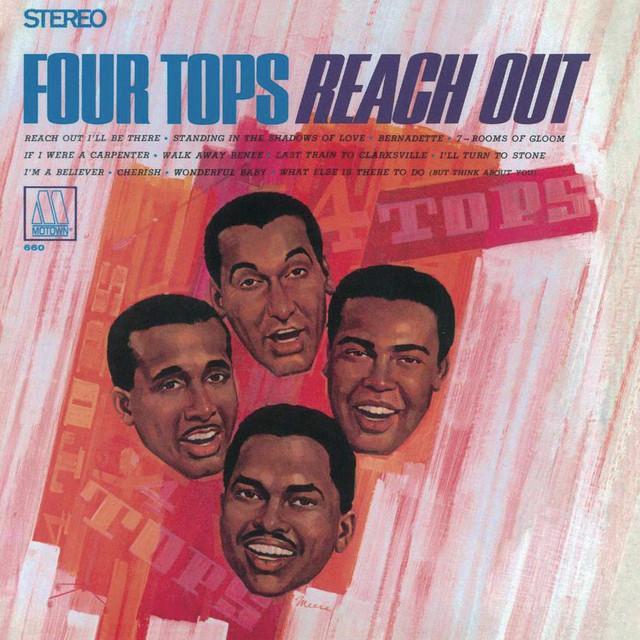
Why Four Tops Turned "If I Were A Carpenter" Tender
The meaning of If I Were A Carpenter Four Tops comes down to a simple but powerful question: would love survive if status, comfort, and image disappeared? In their version of the Tim Hardin song, Four Tops turn that question into a warm but uneasy soul plea.
"If I Were A Carpenter" - Four Tops
And you were a lady
Now, would you marry me anyway (would you marry me anyway?)
Loading lyrics...
Unable to load lyrics
We're unable to display the lyrics at this time. Please try again later.
At its center, the song imagines a romance stripped of class markers. The singer asks whether a partner would stay if he were only a working man. That makes the song less about carpentry itself and more about devotion, pride, and fear. They present love as something that must be chosen beyond appearance.
A Love Song Built on a Test
The song was written by Tim Hardin, and it first became known through his 1960s folk recording before many artists covered it. Four Tops later gave it a fuller soul treatment, bringing their own emotional weight to the material. Hardin is widely credited as the songwriter in music databases and reference sources.
What makes the lyric stand out is its repeated testing of love. The narrator keeps changing jobs and social positions, then asks if the partner would still remain. In plain terms, he wonders whether romance is tied to his usefulness or to who he is.
When he says If I were a carpenter
, he is not just picking a trade. He is choosing an ordinary, hands-on identity. The follow-up question, would you marry me anyway
, shows the real fear underneath: not poverty alone, but rejection.
Watch the official If I Were A Carpenter
music video
The Main Theme: Love Beyond Status
The clearest theme is unconditional love. The singer asks whether the partner would still want marriage, family, and a future if glamour vanished. References to labor and modest work suggest a world where class matters, and where romance may be judged by what a man can provide.
That is why details like tinker's trade
and the image of carrying handmade goods matter. They point to work that is honest but not grand. The song respects labor, yet it also knows society can rank people by their job, clothes, and money.
Interpretation: Four Tops make the lyric sound like both a proposal and a confession. The singer wants reassurance, but they also reveal insecurity. He is not fully certain that love can outlast social difference, so every verse becomes another emotional test.
How the Verses Build the Story
The narrative is simple, but it moves in clear steps:
- The singer imagines being a laborer instead of a polished suitor.
- He asks whether the partner would still choose marriage and family.
- He shifts to other humble jobs, expanding the test.
- He asks for loyalty through loneliness and sorrow.
- The song returns to the opening question, now sounding more urgent.
That middle section matters most because it turns a class question into an emotional one. He asks the partner to Save my love through loneliness
, which means the issue is no longer just work. It is whether love can survive hardship, waiting, and pain.
Cause I have given you my onliness
Give me part of your tomorrow
In those lines, the song reaches its deepest point. He says he has offered his whole self, then asks for a shared future in return. The language is plain, but the feeling is large: vulnerability is the real cost of love.
Why Four Tops Fit the Song So Well
Four Tops were one of Motown's defining vocal groups, led by Levi Stubbs' powerful, urgent voice. That matters because Stubbs rarely sounds detached. Even when a melody is smooth, his delivery often carries strain, ache, and pleading intensity.
That vocal style sharpens the song's meaning. In a quieter folk version, the lyric can sound reflective, almost hypothetical. In the Four Tops version, it feels immediate. They make the questions sound as if the answer could change a life.
The arrangement also shifts the song's center of gravity. Soul instrumentation gives the track more pulse and drama than a bare folk reading. The rhythm section, layered harmonies, and swelling backing parts make the singer's doubts feel public and physical rather than private and literary.
Sound, Production, and Emotional Weight
The production supports the lyric's push and pull between hope and worry. The groove keeps moving forward, which suggests commitment and persistence. At the same time, the vocal phrasing leans on key questions, so the song never sounds fully secure.
That contrast is important to the meaning of If I Were A Carpenter Four Tops. The music sounds strong enough to endure, while the words admit emotional risk. Together, they create a love song that is romantic without being naive.
Interpretation: The polished soul setting may even deepen the irony. The singer asks whether love could survive without shine, but the band surrounds that fear with beauty. That tension mirrors real relationships, where insecurity often hides inside elegance and devotion.
A Gentle Challenge to Gender and Class
The song also reflects older expectations around work, masculinity, and marriage. The singer seems to assume that his worth will be judged through labor and status. He asks if the woman would give up certain comforts, including signs of refinement and style, for life with him.
That makes the song partly about social roles. He is measuring whether love can cross class lines, but he is also measuring whether he can still feel worthy if he is not impressive in the usual way.
For U.S. listeners, that tension still feels familiar. Many people hear the song as a timeless question: if image, money, and prestige fall away, what remains between two people?
The Lasting Meaning of the Song
In the end, the meaning of If I Were A Carpenter Four Tops is about love asking for proof. Not proof through grand speeches, but through choice, sacrifice, and tomorrow. The singer wants to know whether affection is tied to circumstance or rooted in something deeper.
Four Tops make that question feel tender rather than bitter. Their version does not attack the partner. They simply ask for reassurance, and they ask with enough soul that the uncertainty becomes universal.
That is why the song lasts. It speaks to anyone who has wondered whether they are loved for their heart rather than their role.
Disclaimer: This interpretation is based on the lyrics, performance, and known song context. As with any song, listeners may hear different meanings.







