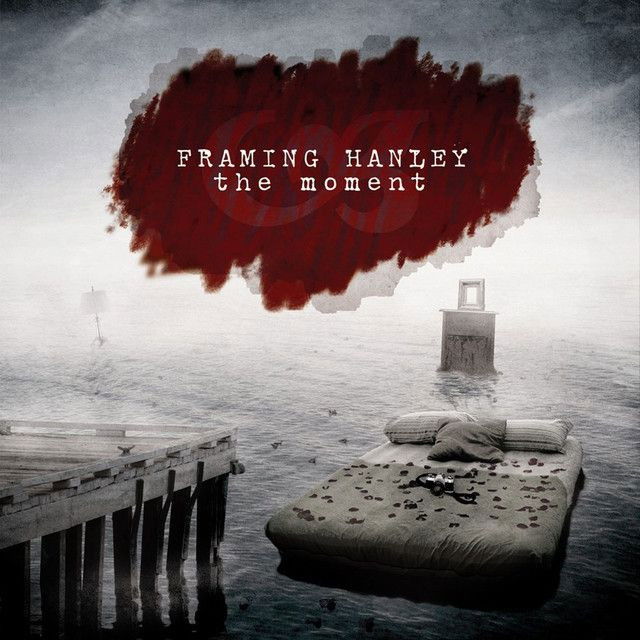
Lollipop by Framing Hanley
A cover that changed its mood
The meaning of Lollipop Framing Hanley starts with one key fact: this is a rock cover of Lil Wayne’s hit, not an original Framing Hanley song. The Nashville band formed in 2005, released The Moment in 2007, and their version of “Lollipop” arrived as a breakout crossover track. According to Billboard chart history, the song reached the Hot 100, and it was later certified Gold by the RIAA.
"Lollipop" - Framing Hanley
I wanna lick the wrapper
And she, she licked me
Loading lyrics...
Unable to load lyrics
We're unable to display the lyrics at this time. Please try again later.
That success matters to the song’s meaning. A cover does not only repeat words; it can change how those words feel. Framing Hanley took a slick, club-focused rap song and recast it as an alternative rock track with sharper edges. In their hands, the song sounds less like easy seduction and more like lust pushed into a tense, almost hostile space.
Watch the official Lollipop
music video
What the song is really saying
At the most basic level, the narrator is describing a sexual encounter in blunt, physical terms. The repeated candy image turns desire into something sweet, disposable, and consumable. When the hook compares intimacy to being like a lollipop
, the song reduces romance to appetite.
That is why the central theme is objectification. The people in the song are not shown building trust or connection. Instead, they react to bodies, status, and sensation. Phrases about the club, bottles, and touching create a world where pleasure is immediate and public, but not especially deep.
Interpretation: Framing Hanley’s version makes that emptiness easier to hear. The words stay provocative, but the band’s darker tone suggests that this scene is not glamorous. It can sound mechanical, repetitive, and emotionally hollow.
Desire, power, and performance
Several lines connect sex with power. The narrator speaks in commands and boasts, while the partner is described through exaggerated physical features and responses. A phrase like Shorty wanna thug
presents attraction as a role-play fantasy. It is less about knowing a person and more about acting out an image.
The same is true of the repeated club details. References to Bottles in the club
frame desire as performance. The setting is loud, public, and image-driven. People are watched, judged, and consumed the way pop culture often turns bodies into status symbols.
There is also a clear imbalance in the language. The song keeps returning to what one person wants to do, touch, or prove. Even when attraction seems mutual, the lyrics lean toward domination rather than intimacy.
Won't you get on your knees?Call me so I canmake it juicy for you
Paraphrased, this section turns desire into command and service. It pushes the song’s main idea further: sex here is transactional, stylized, and tied to control.
How the chorus reframes the verses
The chorus is simple, which is why it sticks. But simple does not mean harmless. Repeating she licked me
over and over turns one act into the whole story. The song narrows the relationship until only a single erotic image remains.
That repetition is important to the meaning of Lollipop Framing Hanley because it creates a loop. The verses brag, the chorus condenses, and then the song snaps back into the same pattern. Listeners are not meant to follow a full emotional story. They are meant to feel trapped inside a cycle of craving and display.
Interpretation: In the rock version, that loop can sound less triumphant than numb. The hook is catchy, but it also feels stuck, as if the characters can only repeat the same desires.
Why Framing Hanley’s sound changes the message
Production does a lot of meaning-making here. Framing Hanley were known for emo-tinged modern rock and post-grunge textures, and their cover leans into that identity. Instead of airy club production, they use distorted guitars, a heavier rhythm section, and vocals that push urgency over smoothness.
That musical shift affects every line. A sexual boast that might feel playful in a rap-pop setting can sound jagged in a hard rock mix. The guitars add friction. The drums hit with force. The vocal delivery carries strain, which gives the song a mood closer to obsession than flirtation.
This context also matters because frontman Kenneth Nixon later said the band had mixed feelings about being remembered for the cover, calling it something they did for fun
in an interview summarized in Alternative Nation coverage. That brief comment does not define the song’s meaning, but it does show that the track functioned as both a breakthrough and a burden.
Reception, context, and alternate readings
Because the song crossed into mainstream rock radio, many listeners met Framing Hanley through this track first. That reception shaped its legacy. To some, it was a clever genre flip. To others, it showed how the same lyrics could reveal different sides when moved into a harsher sound.
There are two fair readings:
- Surface reading: it is a provocative party song about sex, swagger, and nightlife.
- Interpretive reading: it exposes how repetitive and dehumanizing that world can feel when the music removes the original gloss.
Both readings can exist at once. The band may not have framed it as social criticism, but the performance opens that possibility.
Final takeaway on the song’s meaning
So, the meaning of Lollipop Framing Hanley is not just about explicit desire. It is about how desire is packaged, performed, and stripped of tenderness. The lyrics center on appetite and control, while the rock arrangement makes those ideas feel heavier and less carefree.
That is why the cover still stands out. Framing Hanley did more than translate a hit into guitars; they changed its emotional color. Interpretation disclaimer: song meaning is never fully fixed, and different listeners may hear this cover as either a straight rock remake or a darker comment on lust, image, and power.







