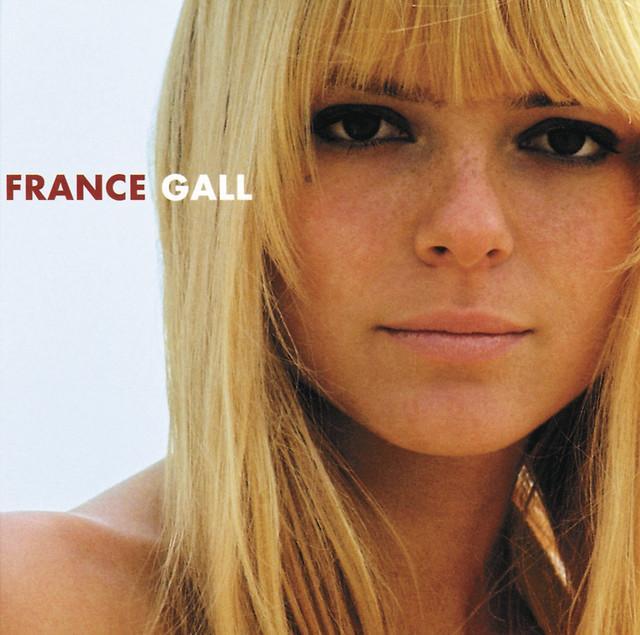
Why 'Laisse tomber les filles' Still Bites
The meaning of Laisse tomber les filles France Gall starts with a simple idea: someone who treats love carelessly will eventually face the same pain. On the surface, the song is brisk, catchy 1960s pop. Underneath, it is a warning, almost a curse, delivered with surprising calm.
"Laisse tomber les filles" - France Gall
Laisse tomber les filles
Un jour, c'est toi qu'on laissera
Loading lyrics...
Unable to load lyrics
We're unable to display the lyrics at this time. Please try again later.
Written by Serge Gainsbourg for France Gall, the song became one of the sharpest examples of how sweet-sounding pop can carry a cutting message. France Gall was a major y�e9-y�e9 star in the 1960s, while Gainsbourg was already known for clever, layered songwriting. That pairing helps explain why the track feels both light and severe at once.
A Bright Pop Song With a Dark Smile
At its core, the song addresses a person who drops girls casually and moves on without guilt. The repeated phrase Laisse tomber les filles
is less advice than accusation. In context, it means: keep doing this, and one day the pattern will turn against them.
The key emotional move is reversal. The speaker says they once cried, but they will not cry forever. Instead, they predict the other person will one day be abandoned too. That turns the song from heartbreak into prophecy.
Interpretation: The song is not just about one bad romance. It frames emotional carelessness as a moral mistake that brings its own punishment.

Watch the official Laisse tomber les filles
music video
Who Is Speaking, and Why It Matters
The narrator speaks directly to the heartbreaker in the second person. That direct address gives the song its force. Rather than sounding helpless, the speaker sounds alert, wounded, and certain.
When they insist je ne pleurerai pas
, the point is not that they never felt pain. The song has already admitted that they did. The line shows a shift from suffering to emotional control.
That shift matters because it keeps the song from becoming a sad plea. It is a confrontation. The speaker no longer asks for love back. They simply say the truth will catch up with the other person.
The Chorus Turns Pain Into a Rule
The chorus is memorable because it works like a warning sign. The song keeps returning to the idea that un jour
the heartbreaker will be left behind and will cry. Repetition makes that idea feel unavoidable.
This is where the meaning of Laisse tomber les filles France Gall becomes bigger than one argument. The hook suggests a pattern of cause and effect. If someone keeps leaving wounded hearts behind, life will answer in kind.
Un jour, c'est toiqui pleureras
That brief moment captures the song's moral center. Today the speaker is hurt; tomorrow the roles will reverse.
Small Lyrics, Big Themes
Several themes run through the song:
- heartbreak
- consequence
- emotional justice
- memory
- pride after pain
One important line warns against playing with un c53ur innocent
. In plain terms, the song treats love as something serious, not a game. The heartbreaker's real offense is not just leaving. It is treating trust like it has no value.
Another key idea is memory. Near the end, the song predicts the other person will remember every warning. That matters because the punishment is not only loneliness. It is recognition. They will finally understand what they did.
Interpretation: The song imagines justice as emotional education. The heartbreaker must feel the pain before they truly learn.
How the Sound Carries the Sting
Part of the song's power comes from contrast. France Gall sings with a bright, youthful tone that listeners may first read as innocent. The arrangement also moves with pop efficiency: punchy rhythm, quick momentum, and a clean melodic hook associated with 1960s French y�e9-y�e9 music.
That sound matters. If the track were slow and tragic, the message would feel ordinary. Because it sounds lively, the warning hits harder. The music almost smiles while the lyrics predict emotional payback.
This contrast fits Gainsbourg's writing style. He often placed tension inside pop songs, using catchy melodies to carry irony or discomfort. In this case, the production helps the song avoid self-pity. It sounds cool, controlled, and slightly mocking.
France Gall, Gainsbourg, and the Song's Edge
France Gall recorded several Gainsbourg songs during the 1960s, a collaboration that shaped part of her early career. That context matters because Gall's image and voice often projected freshness, while Gainsbourg's writing could be sly and provocative.
In this song, that gap creates drama. The singer sounds young, but the message is hard-earned. The result is a track that feels both accessible and dangerous. American listeners coming to it now may hear a classic pop single. But its emotional intelligence is what keeps it alive.
More Than Revenge
It is tempting to hear the song as pure revenge. That reading is valid, but incomplete. Yes, the speaker clearly wants the heartbreaker to suffer. Yet the deeper point is ethical: people cannot wound others forever without consequence.
So the meaning of Laisse tomber les filles France Gall is not just, "they will get what they deserve." It is also that love creates responsibility. When someone ignores that responsibility, they damage themselves too.
Why the Song Endures
The song lasts because its message is universal and its delivery is clever. Nearly everyone understands the urge to tell a cruel ex that their day will come. Few songs say it so directly while sounding so irresistibly light.
That tension is the whole magic of the track. It dances, but it warns. It shines, but it cuts.
Disclaimer: This interpretation is based on the lyrics, performance, and historical context. As with many pop songs, listeners may hear different shades of meaning in the same lines.








