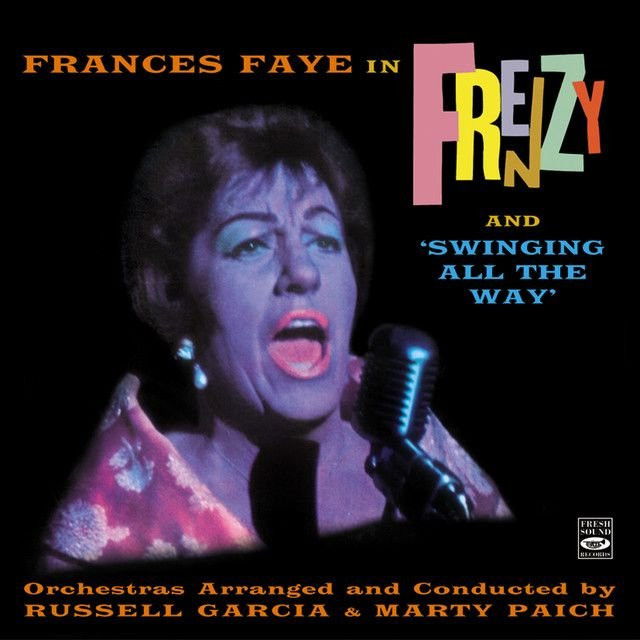
Why 'Don't Worry 'Bout Me' Still Hurts
The meaning of Don't Worry 'Bout Me Frances Faye comes down to a sad but mature kind of goodbye. The speaker tells a former lover not to feel guilty, not to stay out of pity, and not to hold on to a romance that has already faded. On the surface, it sounds calm and generous. Under that calm, though, sits real hurt.
"Don't Worry 'Bout Me" - Frances Faye
I'll get along
Forget about me
Loading lyrics...
Unable to load lyrics
We're unable to display the lyrics at this time. Please try again later.
Frances Faye was known as a cabaret and jazz singer-pianist with a bold, witty, emotionally direct style, a reputation noted in reference sources such as Encyclopaedia Britannica. That matters here. Even when the words seem controlled, a singer like Faye can make them feel bruised, proud, and deeply human.
A breakup song built on self-protection
At its core, this is a song about ending a relationship with dignity. The narrator says, in effect, that the romance is over and that both people should accept it. The opening line, Don't worry 'bout me
, sounds reassuring, but it also works like emotional armor.
They are not just comforting the other person. They are trying to control the damage. By saying they will get along
, the speaker presents strength. Yet listeners can hear how often people say that when they are trying not to fall apart.
This is what gives the song its lasting pull: it lives in the gap between what is said and what is felt. The words ask for a clean break. The feeling suggests that a clean break is never really clean.
Watch the official Don't Worry 'Bout Me
music video
The key message: let the past stay past
The song keeps returning to one idea: a dead relationship should not be dragged forward just because it once meant something. The image of an old faded thing
is the song's clearest summary. Love is not attacked as fake. Instead, it is described as something real that has lost its life.
That makes the song more sorrowful than bitter. The speaker is not accusing the other person of betrayal. They are admitting time has changed the bond.
Let's say that our little show is over
And so the story ends
Why not call it a day
And still be friends
This is the song's emotional center. The romance is compared to a performance or story that has reached its ending. That metaphor makes the breakup feel both public and private. A "show" has roles, timing, and a final curtain. Once that curtain falls, pretending the play is still going only makes things sadder.
Who is speaking, and to whom?
The voice is first-person in the lyric, but the article reads the speaker from a little distance: they are someone trying to leave with pride. They speak directly to an ex-partner and set new rules for life after love.
One striking moment comes when the song advises, in effect, that the other person should protect themselves first. The phrase Look out for yourself
may sound cold, but in context it is practical. The speaker is saying: do not stay because of obligation.
Then the song goes further with don't be a fool
. That line is not cruel so much as corrective. It warns against confusing memory with present truth. If the love is gone, acting otherwise helps no one.
How the structure sharpens the meaning
The writing, credited to Rube Bloom and Ted Koehler, follows the plainspoken strength that made many standards endure; both songwriters are widely documented in major music reference catalogs and song databases such as ASCAP. The lyric moves in a steady emotional sequence:
- Reassure the other person.
- Admit the relationship is over.
- Suggest friendship or peaceful distance.
- Reject false hope.
- Repeat the farewell.
That design matters. Each step sounds reasonable on its own. Together, they create a portrait of someone talking themselves through heartbreak while pretending they are only talking to someone else.
How Frances Faye's style changes the song
Any reading of the meaning of Don't Worry 'Bout Me Frances Faye should include performance. Faye's work often blended nightclub wit with torch-song feeling. In a song like this, that style can make even simple lines feel layered.
Torch-song sadness behind a brave face
A torch song usually centers on love, loss, and emotional exposure. Faye's delivery style, especially when paired with piano-led jazz arrangements common in her catalog, tends to underline the tension between poise and pain. The listener may hear confidence first, then loneliness right behind it.
That is important because the lyric itself is restrained. It does not describe tears, rage, or dramatic collapse. The singer has to bring out the ache through timing, tone, and emphasis.
Why the melody matters
Though different recordings can shape the song differently, standards like this often rely on a smooth, melancholy melodic line rather than sharp rhythmic drama. That gives the words room to breathe. A slow or medium tempo can make the repeated farewell feel less like advice and more like resignation.
Two useful interpretations
Interpretation 1: A graceful goodbye. The speaker truly wants the other person to move on without guilt. In this reading, the song is emotionally generous. They are hurt, but they choose kindness.
Interpretation 2: A wounded performance of strength. The repeated reassurance may be partly self-deception. Saying Forget about me
can sound noble, but it can also sound like the last defense of someone who knows they cannot ask to be loved back.
Both readings fit because the lyric avoids big details. That openness is one reason the song remains effective.
Why the song still connects
Many breakup songs aim for revenge, closure, or dramatic release. This one chooses composure. That makes it feel adult, but not emotionless. It understands a common experience: sometimes the kindest thing two people can do is stop pretending.
For listeners, that is the real meaning. The song says love can be honored without being saved. It says memory is not the same as a future. And in Frances Faye's hands, that truth lands with style, sadness, and a little steel.
Final note on meaning
This interpretation is based on the lyrics, songwriting context, and Frances Faye's performance style. As with many standards, listeners may hear different shades of pride, pain, or tenderness in the song.







