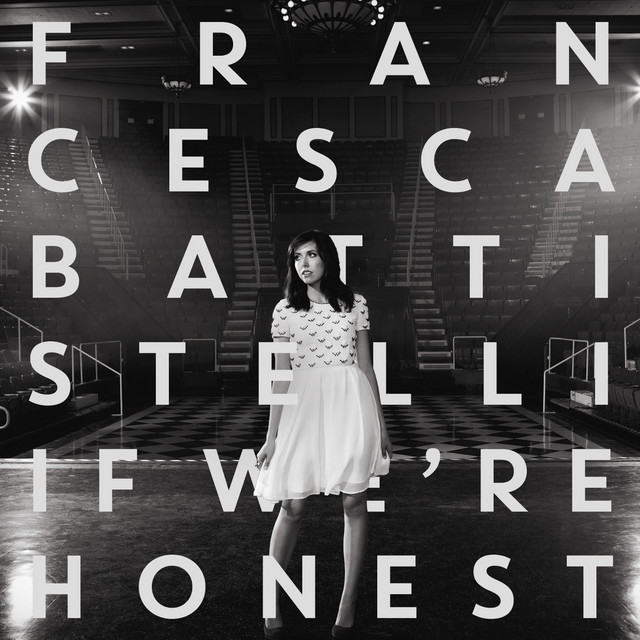
We Are the Kingdom by Francesca Battistelli
The meaning of We Are the Kingdom Francesca Battistelli centers on identity, courage, and public faith. The song is not just about private belief. It is about a group of believers learning who they are, stepping past fear, and living in a way that points back to God.
"We Are the Kingdom" - Francesca Battistelli
Who we're made to be
Beyond the fear and doubt
Loading lyrics...
Unable to load lyrics
We're unable to display the lyrics at this time. Please try again later.
Battistelli included “We Are the Kingdom” as track 11 on If We’re Honest, her third studio album, released April 22, 2014 through Word Entertainment and Fervent Records. The album was produced by Ian Eskelin, with Battistelli also credited in the album’s production notes, and it was well received for its polished but worshipful sound. It reached No. 13 on the Billboard 200 and No. 2 on Top Christian Albums. The album is also certified Gold by the RIAA. See the source list for factual references.
A Song About Remembering Who They Are
At its heart, the song begins with a problem: people often live beneath their calling. The opening lines imagine what would happen if they could see past insecurity and recognize their true purpose. That is why the first verse focuses on fear and doubt before it turns toward praise.
A key phrase is set apart
. In plain terms, the song says believers are meant to live differently, not because they are better than others, but because they belong to God. Another short line, know who we are
, pushes that message further. Identity comes before action.
Interpretation: the song argues that many spiritual struggles begin with confusion. Once that confusion lifts, praise and purpose follow.
Watch the official We Are the Kingdom
music video
How the Chorus Turns Belief Into Mission
The chorus is the song’s big statement of purpose. When Battistelli sings we are the Kingdom
and we are the light
, the message shifts from inward struggle to outward calling. The song no longer asks what is wrong. It declares what is true.
That matters because the chorus is not framed as a solo confession. It is a communal anthem. The repeated “we” makes the track feel like a shared pledge, something a church or faith community could sing together.
The image of a fire that cannot be hidden suggests a faith that should be visible. The same goes for the idea of a bright city. Both images point to witness. In other words, this is not a song about staying safe or blending in.
We are the Kingdom, we are the lightYou set a fire we cannot hide
Those lines summarize the song’s main claim: God gives identity, and that identity creates visible impact.
The Verse About Risk and Timing
The second verse raises the stakes. It says they will risk it all
and act for such a time
. That last phrase strongly echoes the Book of Esther, where courage is tied to a specific moment of responsibility.
This gives the song urgency. It is not just saying believers matter in theory. It says they have a calling right now. The line about not trying to gain the world also rejects selfish ambition. Their purpose is service, not status.
Interpretation: this verse frames Christian life as costly but meaningful. The song treats sacrifice not as loss alone, but as the path to faithful influence.
Symbols That Carry the Message
Three images shape the whole track:
- Kingdom: a spiritual community under God’s rule
- Light: moral clarity, hope, and witness
- Fire/City: faith made public and impossible to ignore
These are familiar Christian images, but the song uses them in a modern pop-worship setting. That keeps the language accessible. Even listeners who do not catch every biblical echo can still follow the emotional arc from weakness to boldness.
The reference to a King who rules the universe yet knows people personally adds another layer. It balances God’s greatness with closeness. That is why the song feels both grand and intimate.
Why the Sound Fits the Lyrics
Part of the meaning of We Are the Kingdom Francesca Battistelli comes from its musical design. On If We’re Honest, Battistelli worked with producer Ian Eskelin, and album reviewers often noted the balance of pop polish and worship depth. One Digital Journal review praised how the record was not “overdone from an instrumental standpoint,” while AllMusic called it “relatable and real.” Those comments fit this song well.
The arrangement supports a rising, anthem-like feel. Acoustic guitar, steady drums, and layered vocals help the chorus sound bigger than the verses. According to the album personnel, track 11 also includes acoustic guitar, drums, bass, and even hammered dulcimer, which adds texture without crowding the vocal. That matters because the lyric needs clarity more than complexity.
Battistelli’s vocal style is warm and direct rather than dramatic. That makes the song feel inviting. Instead of sounding distant or formal, it sounds like encouragement shared with a group.
Artist and Album Context
This song makes more sense within If We’re Honest. That album often moves between personal struggle, trust, worship, and action. “We Are the Kingdom” fits as a late-album statement that gathers those themes into one collective message.
The song was written by Francesca Battistelli, Casey Brown, and Jonathan Smith. In that context, it feels like a mission statement near the end of a record concerned with honest faith. After songs about rest, truth, and God’s care, this track asks what believers should do with those truths.
Final Take on the Song’s Message
The best way to understand the song is this: it calls believers to see themselves clearly and live bravely. Fear does not get the last word. Identity in God does.
So the meaning of We Are the Kingdom Francesca Battistelli is both comforting and challenging. It comforts listeners by saying they are known and chosen. It challenges them by saying that identity should become action, witness, and courage in the world.
Disclaimer: This interpretation is based on the song’s lyrics, musical context, and available album information. As with any song, listeners may hear meanings that differ from this reading.
Sources
- https://en.wikipedia.org/wiki/If_We%27re_Honest
- https://www.billboard.com/artist/francesca-battistelli/
- https://www.riaa.com/gold-platinum/
- https://www.allmusic.com/album/if-were-honest-mw0002612029
- http://www.digitaljournal.com/a-and-e/music/review-francesca-battistelli-back-with-new-album-if-we-re-honest/article/381757








