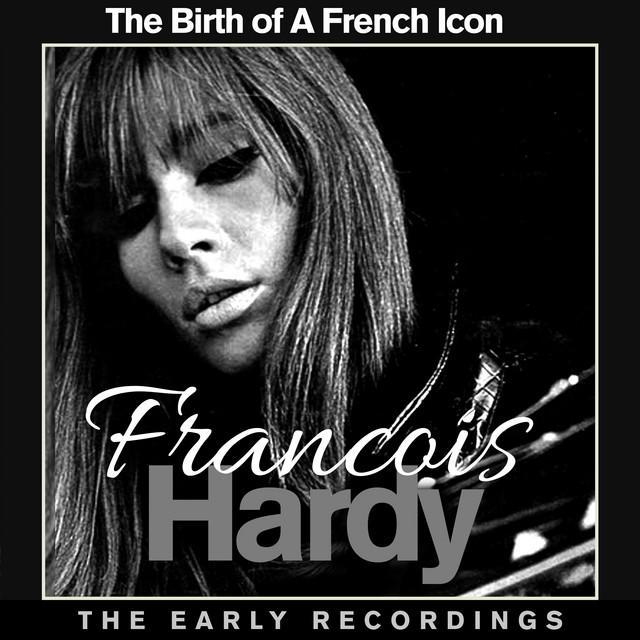
Why "L'Amour S'en Va" Still Feels So True
The meaning of L'Amour S'en Va Françoise Hardy starts with a hard idea: love does not always end because someone is cruel. Sometimes it simply fades. In this 1963 song, Hardy turns that painful truth into something calm, elegant, and almost philosophical.
"L'Amour S'en Va" - Françoise Hardy
Comme les autres, un beau jour tu vas me quitter
Si ce n'est toi, ce sera moi qui m'en irai
Loading lyrics...
Unable to load lyrics
We're unable to display the lyrics at this time. Please try again later.
The title means “love goes away,” and that simple statement shapes the whole song. Rather than begging love to stay, they describe a relationship haunted by impermanence. Even when two people promise forever, they seem to know those promises may not last.
Hardy wrote and composed the song themselves, which matters. It gives the lyric a personal directness that fits their early image as a thoughtful yé-yé star, already more introspective than many pop singers of the time. According to this Wikipedia entry, the song represented Monaco at Eurovision 1963, placed fifth with 25 points, and later became one of Hardy's signature songs.
A Love Song About Knowing the End
At its core, the song is about emotional realism. The speaker is in love, but they do not trust love to remain stable. Early on, Hardy frames that fear in blunt terms with L'amour s'en va
. The point is not just that one romance may fail, but that love itself is temporary.
That makes the song sad, but not dramatic. They are not raging at betrayal. They are observing a pattern. When the lyric suggests one lover will leave “one day,” it treats heartbreak as part of love’s cycle, not an exception.
Interpretation: This is what gives the song its mature edge. Many breakup songs focus on blame. Hardy focuses on fragility. The pain comes from knowing that desire and devotion can be sincere while still being short-lived.

Watch the official L'Amour S'en Va
music video
The Push and Pull Inside the Verses
The verses build this theme through tension. The speaker imagines two outcomes: the other person may leave, or they may leave first. That idea appears in the phrase ce sera moi
, which shifts the song from passive sadness to guarded self-protection.
They seem to think: if loss is inevitable, maybe leaving first will hurt less. But the lyric never sounds empowered in a simple way. Instead, it shows how fear can make closeness unstable.
Another key idea comes when both lovers repeat eternal promises. Hardy uses the phrase mille toujours
to capture those big romantic vows. The line is gently skeptical. They know people say “always” because they want to believe it in the moment, not because they can guarantee the future.
Car toi aussi
mille toujours
Et moi aussi
à mon tour
In paraphrase, both people trade words of forever, even while the song quietly tells us forever may be impossible. That contrast is the emotional center of the track.
Why the Chorus Hits So Hard
The chorus lands because it is both resigned and active. On one hand, love leaves and nothing can stop it. On the other, people keep running after it. Near the end, Hardy captures that contradiction with nous courons après
.
That phrase expands the song beyond one couple. It suggests a wider human habit: people chase love even when experience teaches them it slips away. They keep hoping, promising, and returning.
Interpretation: The chorus is not anti-love. It is almost compassionate about human weakness. The song understands that people pursue love not because it is reliable, but because it feels necessary.
Sound, Arrangement, and Emotional Distance
The music supports that meaning beautifully. Research commonly describes the track as a slow-paced chanson, and that restraint is crucial. It does not rush toward a huge climax. Instead, the arrangement creates space for reflection.
At Eurovision in 1963, the song was backed by orchestra under Raymond Lefèvre, as noted in the Eurovision history page. That orchestral setting fits Hardy’s style: soft motion, clean melody, and a vocal delivery that sounds intimate rather than theatrical.
The result is a strange emotional blend:
- the melody is tender
- the rhythm is steady, almost resigned
- the vocal is cool but vulnerable
- the overall mood is romantic without being hopeful
That balance matters. If the performance were louder or more dramatic, the lyric might feel bitter. Because Hardy sings with such poise, the song feels wiser than angry.
Artist Context Makes the Song Deeper
"L'amour s'en va" arrived just after Hardy’s breakthrough with “Tous les garçons et les filles” in late 1962. That timing helps explain why it stood out. While much early-1960s pop centered on simple youthful romance, Hardy often sounded more inward-looking.
This song confirmed that quality. It was a chart success in several countries, including Belgium and Sweden, and it won France’s Grand Prix du Disque. Those facts suggest listeners heard something lasting in it: not just a contest entry, but a sophisticated view of love.
It also helped define Hardy’s public persona. They were not only a pop idol. They were a songwriter able to turn teenage longing into existential doubt.
The Best Way to Read Its Ambiguity
There are at least two strong ways to hear the song.
First, it can be read literally as a relationship already weakening. The speaker senses distance and prepares for the end before it arrives.
Second, it can be read more broadly as a statement about all romance. In that reading, the lover in front of them matters less than the pattern itself: love appears, fades, and is chased again.
Both readings fit because Hardy writes in a clear but open style. Even the image behind tu me poursuis
suggests movement without stability. One person chases, the other escapes, then the roles may reverse. Love becomes a pursuit no one truly controls.
Why the Song Endures
The meaning of L'Amour S'en Va Françoise Hardy lasts because it says something many songs avoid: love can be real and still be temporary. Hardy does not mock romance, and they do not fully surrender to it either. They stand in the painful middle, where hope and doubt live together.
That honesty is why the song still feels modern. It understands that people keep making promises they cannot fully keep, and keep chasing feelings they cannot fully hold.
Disclaimer: This interpretation is based on the lyrics, performance, and documented context. As with any song, listeners may hear different meanings in its words and mood.







