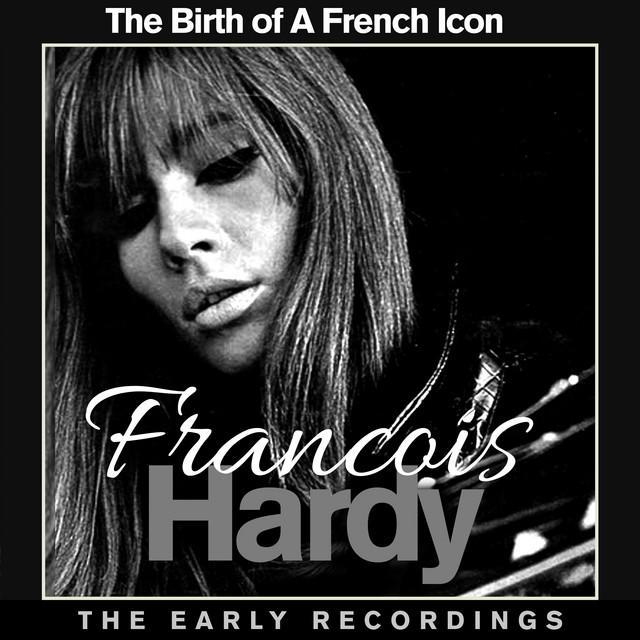
Why 'Le premier bonheur du jour' Feels Timeless
The meaning of Le premier bonheur du jour Françoise Hardy comes from something very small: the way love changes the feel of an ordinary day. This is not a grand, dramatic breakup ballad or a sweeping declaration. Instead, it notices sunlight, sea air, a bird, a door closing, and a lamp going dark. Those details become emotional markers.
"Le Premier Bonheur Du Jour" - Françoise Hardy
C'est un ruban de soleil
Qui s'enroule sur ta main
Loading lyrics...
Unable to load lyrics
We're unable to display the lyrics at this time. Please try again later.
Françoise Hardy built much of her reputation on restraint and clarity, especially during the 1960s French pop era, when her cool, intimate style stood out in both music and fashion coverage. Biographical overviews from sources like Encyclopaedia Britannica and France 24 describe that understated image well. That context matters here, because this song works by making modest feelings feel profound.
A Love Song Built From Tiny Moments
At its core, the song says that happiness arrives in pieces. The opening image of ruban de soleil
presents morning light as something almost touchable. It wraps itself around a hand and brushes a shoulder, so the day begins with warmth, closeness, and ease.
The next images widen the frame. The breath of the sea, a waiting beach, and a bird singing on a fig tree branch suggest a world that feels ready, calm, and alive. The lyrics do not describe romance in abstract terms. They show it through sensations.
Interpretation: this is why the song feels so human. It suggests that love is not only found in declarations. It is found in the atmosphere around two people when things are right.

Watch the official Le Premier Bonheur Du Jour
music video
Morning Joy, Afternoon Loss, Evening Peace
The song also has a quiet structure. It moves through a day, and that day mirrors a relationship.
The emotional timeline
- Morning begins in comfort and beauty.
- A separation interrupts that calm.
- Silence enters and changes the mood.
- The loved one returns.
- Night ends the day in peace.
The turning point is simple but sharp. The phrase la porte qui se ferme
signals the first sadness of the day. Then comes la voiture qui s'en va
, which makes the loss concrete. Someone is not just emotionally distant; they are physically leaving.
After that, the song gives one of its strongest images: le silence qui s'installe
. That line matters because it turns absence into a presence of its own. Silence settles in like a guest no one invited.
What the Return Really Means
The sadness does not last. The loved one comes back, and daily life resumes. This is an important part of the meaning of Le premier bonheur du jour Françoise Hardy. The song is not saying love removes pain. It says love includes brief pain, then healing.
That makes the ending especially moving. The final happiness is la lampe qui s'éteint
. On the surface, that is just bedtime. But emotionally, it suggests safety, reunion, and closure. The day can end softly because the relationship has found its balance again.
Interpretation: the lamp going out may symbolize trust. Darkness is no longer lonely. It becomes restful.
How the Images Carry the Theme
One reason the lyrics stay memorable is their pattern of opposites. They move between:
- light and darkness
- sound and silence
- motion and stillness
- absence and return
These pairs give the song its emotional shape. Sunlight and birdsong represent connection. The closing door and leaving car represent interruption. The extinguished lamp suggests a final calm that contains the whole day’s experience.
There is also a subtle message about scale. Nothing huge happens. Yet everything matters. That is one of the song’s deepest strengths: it argues that daily life is where love is most deeply felt.
Why Françoise Hardy’s Performance Matters
Hardy was widely recognized for a singing style that felt conversational, elegant, and emotionally controlled, a quality noted often in retrospectives on her career, including coverage from The Guardian and The New York Times. Even without a showy vocal, she could make a line feel personal.
That approach suits this song perfectly. A louder or more theatrical performance might have made the lyrics seem sentimental. Instead, the gentle French pop setting keeps the focus on texture and feeling. The arrangement is soft, melodic, and unhurried, which lets the listener sit inside each image.
Because the production is understated, the emotional shift from joy to sadness feels natural. The song does not force tears. It trusts the listener to recognize how much can be contained in one ordinary departure and one ordinary return.
A Small Song With a Lasting Reach
Part of this song’s lasting appeal is that listeners do not need to share the exact story to understand it. Almost anyone knows the feeling of a day being shaped by one person’s presence. The lyrics capture that with unusual economy.
Another reason it lasts is its balance. It is neither naive nor cynical. It admits sadness, but it does not stay there. It believes in recovery, routine, and tenderness.
So, the meaning of Le premier bonheur du jour Françoise Hardy is ultimately about the cycle of intimacy: joy at first light, sorrow in parting, relief in return, and peace at day’s end. It shows that the emotional truth of love often lives in passing details, not big speeches.
Final takeaway
This song turns one day into a map of a relationship. Its beauty comes from how gently it shows that love can make sunlight brighter, silence heavier, and nighttime kinder.
Disclaimer: This interpretation is based on the lyrics, performance, and known artistic context. As with any song, listeners may hear different meanings in its images and emotional arc.







