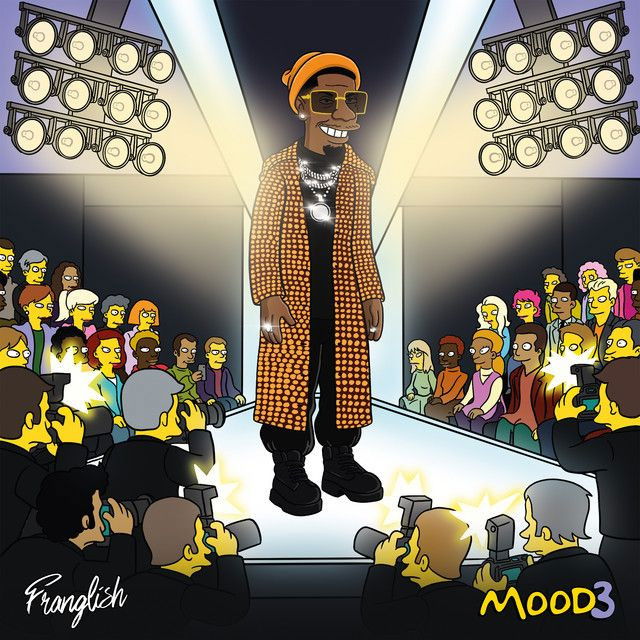
Bolingo by Franglish
The meaning of Bolingo Franglish comes down to a relationship at a breaking point. The song is not a soft love ballad, even though its title points toward love. Instead, it shows love being tested by suspicion, phone-checking, arguments, and the feeling that trust is disappearing.
"Bolingo" - Franglish
Yeah
Yeah
Loading lyrics...
Unable to load lyrics
We're unable to display the lyrics at this time. Please try again later.
Franglish presents a narrator who feels watched and accused. They are not asking for romance in the usual sense. They are asking for peace, respect, and space. That tension is what gives the song its edge.
A Love Song Turned Into an Ultimatum
At its core, “Bolingo” is about emotional exhaustion. The narrator says their partner keeps creating problems whenever they go out and keeps checking their phone. The repeated complaint is simple: love cannot work if one person is always investigating the other.
That is why the hook lands so hard. When Franglish repeats j'en ai marre
, they are not just venting. They are marking a limit. The relationship has reached the point where patience is running out.
Interpretation: The title creates contrast on purpose. “Bolingo,” a word linked to love, sits over lyrics about distrust. That makes the song feel like a statement about what love becomes when insecurity takes over.
Who Is Speaking, and What Do They Want?
The narrator speaks directly to a partner and frames the conflict as repeated behavior, not one isolated fight. They describe a lover who looks through their phone and brings up the past. In response, they demand a change.
A key line is the ultimatum soit tu changes
. In plain terms, the narrator says the partner must change, or they will leave. Another short phrase, c'est moi qui part
, turns that warning into a final boundary.
This direct style matters. The song does not hide behind vague poetry. It sounds like a heated conversation put over a beat. That plainspoken quality helps the track feel immediate and relatable.
How the Verses Build the Conflict
The verses add detail to the same central problem:
- The partner seems controlling whenever the narrator goes out.
- The partner searches the phone, looking for proof of betrayal.
- The narrator says they are focused on the future, while the partner is stuck on old relationships.
- The result is a sharp emotional choice: rebuild trust or end the relationship.
One of the strongest recurring ideas is that the narrator feels judged for things that are already over. When they mention old partners being in the past, the point is not nostalgia. The point is frustration that the relationship cannot move forward.
Interpretation: The song is less about proving innocence than about rejecting surveillance. Even if the partner has fears, the narrator sees those fears as damaging the bond itself.
The Chorus Makes the Meaning Clear
The chorus is where the meaning of Bolingo Franglish becomes impossible to miss. Franglish circles back to the same emotional decision over and over. This repetition mirrors an argument that has happened too many times.
The phrase le dilemme bébé
shows how the singer frames the moment: the choice now belongs to the partner. Change the behavior, or the love story ends.
There is also a harder edge beneath the melody. When the narrator warns that if they leave, they will not come back, the song moves from complaint to consequence. This is not a temporary threat. It is a final line.
Bolingo, cette fois j'en ai marre
Soit tu changes ou c'est moi qui part
Those lines sum up the whole song. Love is still present, but it is no longer enough by itself.
Sound, Flow, and Emotional Pressure
Musically, “Bolingo” works because its smooth, melodic surface clashes with the tension in the lyrics. Franglish often blends rap phrasing with sung hooks, and that mix helps the song carry both confrontation and sadness at once. Their broader style sits between French rap, Afro-influenced pop, and melodic urban music, as reflected in artist profiles and catalog information from sources like Spotify and Deezer.
The beat keeps things moving rather than collapsing into a slow breakup ballad. That matters. A faster, cleaner groove gives the argument momentum, making the frustration feel active instead of defeated. The singer sounds irritated, but not broken.
The credited writers provided in the song information are Big Tom, Chulo, Dayvonn Dautruche, and Gedeon Mundele Ngolo Nzinga Nzala. Those names suggest a collaborative writing process behind a song that still feels personal and pointed.
A Few Deeper Ways to Read It
There is one obvious reading: the song is about setting boundaries with a jealous partner. That is the clearest message.
But there is another possible angle. Interpretation: the narrator may also be trying to protect their own freedom and pride. Phrases like j'ai pas signé pour ça
make the relationship sound like a deal that no longer works. In that sense, “Bolingo” is not just about romance. It is about self-respect.
Listeners may also notice that the narrator admits having a hot temper. That detail complicates the song in a useful way. It suggests this is not a calm, perfect speaker, but someone trying to stop the relationship from turning fully toxic.
Why the Song Connects
What makes “Bolingo” memorable is its balance. It is catchy enough to feel like a replayable single, but specific enough to capture a real emotional situation. Many listeners know the feeling of being in a relationship where small doubts turn into constant monitoring.
Franglish turns that common problem into a clear message: love needs trust, and once trust is replaced by control, affection starts to sound like pressure.
That is the heart of the meaning of Bolingo Franglish. It is a song about reaching the moment where love must either mature or end.
Disclaimer: This interpretation is based on the released lyrics, performance, and available song credits. As with any song, meaning can vary from listener to listener.







