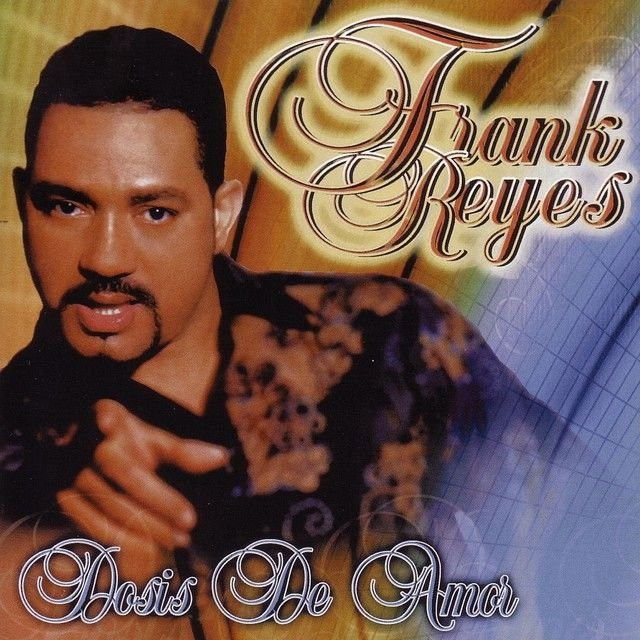
Why “Princesa” by Frank Reyes Feels So Tender
The meaning of Princesa Frank Reyes centers on memory, admiration, and a romantic hope that never fully disappeared. The song looks back at a school-age crush, then brings that memory into the present when the singer sees that girl again as an adult. What makes the track work is its mix of sweetness and longing: they are not just remembering the past, they are asking whether the feeling can finally become real.
"Princesa" - Frank Reyes
la que se creía la reina del salon
la de ojitos saltones y mirada traviesa
Loading lyrics...
Unable to load lyrics
We're unable to display the lyrics at this time. Please try again later.
Frank Reyes is known for romantic songs in the tropical world, especially bachata, though the song is also often grouped under salsa y tropical in catalog listings. That matters because the sound supports the message. The music gives the story warmth rather than heartbreak, so the listener hears desire wrapped in nostalgia instead of pain.
A First Love Reappears in Real Time
At its core, the song tells a simple story. The narrator remembers a girl from school who stood out from everyone else. She seemed confident, playful, smart, and impossible to forget. Those details are not random; they show that this was not a vague old memory but a vivid first emotional imprint.
When the singer recalls her as the one who felt like the classroom queen, the image suggests young charisma and social power. Short phrases like reina del salon
and primera ilusion
point to that early-stage crush. They suggest that she was both admired publicly and treasured privately.
Interpretation: the song is not only about beauty. It is about how first love can stay frozen in the mind, almost untouched by time.
Watch the official Princesa
music video
The School Memories Do the Emotional Work
The verses are full of details from youth: braids, classroom flirting, writing a name where others could see it, and doing well in school. These images build innocence. Instead of describing a dramatic adult romance, the song starts with gestures that feel light and youthful.
That choice changes the emotional tone. A line such as la de las trenzas
does more than describe appearance. It places the listener in a specific era of life, one where attraction felt exciting and uncomplicated. Another phrase, mi nombre en el pizarron
, suggests public affection in a harmless, playful way.
There is also a small wound inside the memory: she left school and never returned. That disappearance matters because it interrupted what might have become a real love story. The song’s present-day reunion carries emotional force because it revives something unfinished.
When the Chorus Turns Memory Into Desire
The chorus shifts the song from recollection to direct pursuit. After remembering who she was, the narrator sees who she is now and is overwhelmed by how well time has treated her. The old crush becomes present desire.
That is where the title image becomes clear. Calling her princesa
and asking if she still wants to be his queen turns childhood fantasy into adult courtship. He is no longer just the boy who watched her from nearby. He is now making a romantic offer, even if it still sounds shy and idealized.
dime si aun quieres ser mi reinaThe repeated plea turns the whole song into a question: can a remembered love become a real relationship now?
The repetition in the chorus is important. It shows insistence, but not aggression. They sound awestruck and vulnerable, almost afraid the answer could ruin the dream.
Admiration, Idealization, and a Hint of Insecurity
One of the strongest parts of the meaning of Princesa Frank Reyes is the tension between confidence and uncertainty. The narrator praises her beauty and assumes her heart is still free. But that assumption reveals fear as much as hope.
When he says she looks perfect, he is not simply complimenting her. He is placing her on a pedestal. This can feel romantic, but it also shows idealization. She is remembered less as a complex person and more as the symbol of a perfect lost chance.
Interpretation: the line of thought about whether her heart has an owner suggests insecurity. He wants reassurance before he fully risks rejection. In that sense, the song is as much about his emotional hesitation as it is about her.
How the Tropical Sound Softens the Story
The arrangement helps explain why the song feels charming instead of heavy. In tropical romantic music, rhythm often keeps longing from becoming despair. Even without needing dense poetry, the groove can carry emotional meaning.
Frank Reyes built his career around melodic, heartfelt singing in Dominican romantic music, as noted by AllMusic. In a song like this, the smooth vocal style makes the memory feel affectionate. The instrumental backdrop likely lands with gentle swing and danceable motion, which keeps the reunion story glowing rather than tragic.
The credited writers, Flavio Venturini and Ronaldo Bastos, are also known figures in Latin music catalogs, including at Discogs. That outside writing presence may help explain the song’s clean structure: vivid verse memories, then a chorus built around one emotional question.
Why the Song Connects So Easily
The song resonates because many listeners know this feeling. Almost everyone has a person from school who still lives in memory as a symbol of innocence, possibility, or unfinished emotion. “Princesa” turns that common experience into a romantic daydream.
It also avoids bitterness. The singer does not blame her for leaving or for time passing. Instead, they marvel that the old feeling still survives. That emotional generosity is part of the song’s appeal.
A Gentle Final Reading
In the end, the meaning of Princesa Frank Reyes is about seeing the past return in human form and wanting one more chance with it. The song frames first love as something that can mature without losing its sweetness.
Still, that is an interpretation, not a fixed fact. Different listeners may hear pure romance, idealized nostalgia, or even a little sadness beneath the flattery. That openness is part of why the song lasts.







