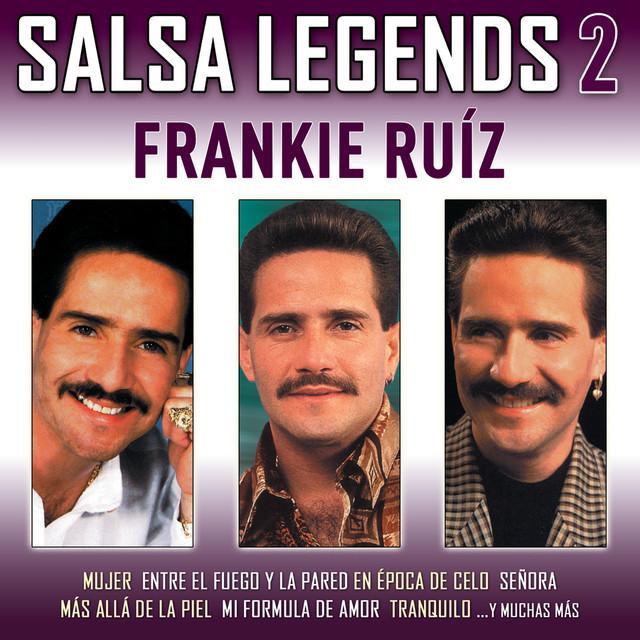
Why 'Entre El Fuego Y La Pared' Still Hurts
For listeners searching for the meaning of Entre El Fuego Y La Pared Frankie Ruiz, the song is both simple and sharp: it is about a man trapped by his own choices. They hear a narrator caught between two lovers, unable to leave either one, and now suffering the pressure from both sides.
"Entre El Fuego Y La Pared" - Frankie Ruiz
condenado a vivir entre dos amores.
-r-
Loading lyrics...
Unable to load lyrics
We're unable to display the lyrics at this time. Please try again later.
That setup gives the song its force. It is not a proud story about romance. It is a confession about emotional weakness, selfishness, and panic. The singer admits he tried to manage two relationships at once, and now he feels cornered.
A Love Triangle Told as a Crisis
At the center of the song is a speaker who says he is atrapado
and acorralado
—trapped and boxed in. In plain terms, he has built a situation he can no longer control. He loves two women, but instead of sounding triumphant, he sounds desperate.
The title image, entre el fuego y la pared
, works like a Spanish version of being stuck between danger and no escape. Fire suggests pain, heat, and rising consequences. The wall suggests limits. Together, they create a feeling of pressure with nowhere to turn.
Interpretation: The song is less about having two lovers than about what happens when desire turns into a trap. The narrator wants the comfort of both relationships, but the song shows that emotional greed leads to collapse.

Watch the official Entre El Fuego Y La Pared
music video
How the Key Lines Build the Meaning
One of the song's smartest moves is how it repeats the same emotional idea in slightly different ways. The narrator says he tried to solve one fire with another—fuego con fuego
—and ended up burned by his own double game. That paraphrased idea matters because it frames the whole story as self-inflicted damage.
Another striking image compares him to a spider caught in its own web. The lyrics make clear that he spun this problem himself. He was not ambushed by fate; he walked into it through deception and emotional dependence.
Porque si una me falta no vivo,pero si la otra me deja me muero.
This is the song's emotional peak. Paraphrased, he claims he cannot live without one, yet would die if the other left. The line is dramatic, even excessive, but that excess is the point. It shows a person whose feelings are no longer balanced or honest. Everything has become emergency.
Frankie Ruiz and the Salsa Confession
Frankie Ruiz was one of salsa romántica's defining voices, known for mixing dance rhythms with exposed, aching emotion. His career and style are widely documented by the National Foundation for Popular Culture and other Latin music histories. That context matters because this song fits his gift for making romantic turmoil sound intimate and urgent.
The song was written by Pedro Azael, according to the information provided here. Even so, Ruiz's voice is crucial to its meaning. He does not sing the dilemma like a distant storyteller. They deliver it like someone confessing in public while the band keeps moving behind him.
That tension is essential to salsa romántica. The music invites dancing, but the lyric tells a story of emotional disorder. In Ruiz's world, heartbreak and rhythm often live side by side.
Why the Music Feels So Tight and Pressured
Musically, the track uses classic salsa tools to mirror the lyric's conflict. The percussion keeps things moving with a restless pulse. Piano montuno patterns loop with insistence, while the brass hits add bursts of drama that feel almost like alarms.
When the chorus returns, the arrangement helps the feeling close in. Repetition in salsa can create release, but here it also creates pressure. Every repeat of the central idea makes the narrator sound more stuck, not more free.
Interpretation: The groove becomes a kind of emotional treadmill. They keep moving, but they do not escape. That is part of the meaning of Entre El Fuego Y La Pared: motion without resolution.
For broader context on Ruiz's place in salsa, Billboard's archive shows how strongly his catalog remained tied to romantic storytelling and lasting audience appeal.
What the Chorus Really Confesses
The chorus is memorable because it turns guilt into a public hook. Instead of hiding the situation, the singer repeats it until everyone in the room knows the problem. He has dos amantes
and does not know how to live without them.
That matters because the song never fully pretends this is noble love. The chorus sounds catchy, but the message underneath is unstable. He does not describe healthy devotion. He describes dependence.
A Useful Way to Read the Song
Readers can break the song into three emotional stages:
- Admission: He reveals the triangle.
- Realization: He sees that his own choices burned him.
- Panic: He cannot imagine losing either woman.
That structure helps explain why the song feels so immediate. It moves from fact to consequence to emotional overload.
Alternate Readings Worth Considering
A straightforward reading is that this is simply a song about infidelity and its fallout. That reading is strongly supported by the repeated references to two lovers and the speaker's inability to choose.
Interpretation: Another reading is that the song dramatizes addiction to desire itself. In that view, the two women are real, but they also represent a deeper hunger for constant emotional validation. The singer is not only trapped by romance; he is trapped by his need to be wanted.
Both readings can exist at once. That layered feeling is one reason the song lasts.
Why It Still Connects
The meaning of Entre El Fuego Y La Pared Frankie Ruiz remains powerful because it captures a human truth: people often mistake intensity for love, and they often see the cost only after the damage is done. Ruiz and the song's writer turn that mistake into a vivid salsa drama.
The result is catchy, painful, and easy to understand. Even listeners who have never lived this exact story can recognize the deeper feeling of being cornered by their own decisions.
Disclaimer: This interpretation is based on the lyrics, performance, and available song context. As with any art, listeners may hear different meanings in it.








