Why 'Nobody Like You Lord' Feels So Certain
A worship song built on one big idea
The meaning of Nobody Like You Lord Fred Hammond is direct, but that simplicity is its strength. The song is a praise anthem that says God is unmatched in love, presence, and faithfulness. Rather than tell a complicated story, it repeats one conviction until it becomes a shared act of worship.
"Nobody Like You Lord" - Fred Hammond
Nobody like You Lord, You Lord
Nobody like
Loading lyrics...
Unable to load lyrics
We're unable to display the lyrics at this time. Please try again later.
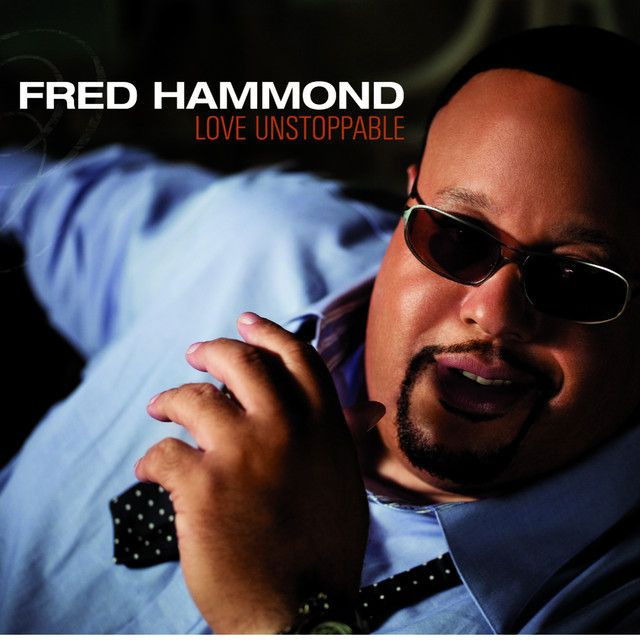
Fred Hammond is one of modern gospel’s most respected voices, known for blending choir energy, R&B grooves, and church-centered songwriting. His wider career with Commissioned and as a solo artist helps explain why this song feels both musical and congregational. According to his official bio, Hammond built a reputation for songs that work as testimony and praise at the same time.
In this track, they present devotion in plain language. The speaker searches the world, and even eternity, and still comes to the same answer: there is no equal to the Lord.

Watch the official Nobody Like You Lord
music video
How the lyrics move from search to certainty
The song begins with comparison. It imagines looking everywhere and finding no one who matches God. That matters because the lyric does not start with blind emotion; it starts with a test. The speaker considers the whole world, then makes a claim based on experience and belief.
Short phrases like I won't find
and no one loves me like You do
carry the heart of the song. Paraphrased, the message is that every search ends in the same conclusion: divine love is unique. The language is not abstract theology. It is personal, almost conversational.
That personal angle is why the song lands so easily in church settings. A listener does not need to decode symbols or plot. They hear a simple witness: God has shown care again and again, so praise becomes the only fitting response.
The chorus turns private faith into group praise
The repeated hook is the song’s emotional engine. When the choir and lead return to Nobody like You Lord
, they are doing more than repeating a line. They are turning individual belief into communal agreement.
This is a classic gospel move. A verse offers testimony, and the chorus lets everyone join in. By the time the song cycles through the hook several times, the words feel less like a statement and more like a room full of people answering each other.
Lord I know Your love is real
Time after time You have been there
Those lines summarize why the chorus feels earned. The praise is not random excitement. It comes from remembered help, repeated comfort, and trust built over time.
What key lines reveal about the theme
Love is the proof
One of the song’s strongest ideas is that God’s uniqueness is shown through love. When the lyric says this is so true
, it sounds almost like a testimony in church: simple, spoken, and fully believed. The point is not to argue with skeptics. The point is to witness to what they have lived.
Search becomes surrender
The song keeps returning to the idea of looking everywhere. That image creates movement, even though the lyric is repetitive. They search the earth, the universe, and even eternity in a spiritual sense. Each attempt ends with the same answer.
Interpretation: This repeated search can be heard as a picture of spiritual maturity. After trying many sources of comfort or meaning, the speaker arrives at one lasting center.
Praise becomes invitation
When the song urges listeners to clap and join in, it widens the message. The singer is no longer only speaking to God. They are also calling the congregation to participate. That shift helps explain the song’s staying power in live worship.
Why the sound matters as much as the words
The production supports the message in a big way. Hammond’s gospel style often mixes strong rhythm, layered vocals, and a bright, church-ready arrangement. Here, the groove keeps the song moving while the vocal repetition makes it easy for a crowd to follow.
There is a call-and-response structure throughout, which is central to Black gospel tradition. The lead states the truth, and the group echoes or strengthens it. That back-and-forth makes the song feel lived in, not performed from a distance. The sound says this praise belongs to everybody in the room.
The repeated vamp near the end is especially important. As phrases like There is none
and the song’s title line continue, the music shifts from composition to worship flow. Interpretation: In that section, meaning comes less from new information and more from emotional immersion. Repetition becomes a spiritual practice.
For context on Hammond’s career in gospel music, the Encyclopaedia Britannica notes his importance as a singer, bassist, songwriter, and producer. That range helps explain why his songs often feel tightly built but still open enough for live praise.
Artist context and reception
Fred Hammond has long written songs that sit between testimony and celebration. That balance is a major reason this song connected with gospel audiences in the United States. It is doctrinally clear, emotionally open, and easy for choirs, praise teams, and congregations to sing together.
Reception-wise, songs like this tend to last because they are useful. They work in church, in personal devotion, and in choir arrangements. A song does not need complicated poetry to endure if it gives people words for gratitude.
The deeper meaning beneath the repetition
The meaning of Nobody Like You Lord Fred Hammond is not hidden. It is a worship declaration rooted in experience: God’s love is unmatched, God’s presence is dependable, and praise is the natural answer.
Interpretation: The repetition may also reflect how faith works in practice. People often return to the same truths not because they lack depth, but because those truths carry them through different seasons.
In that way, the song is both simple and strong. It does not chase novelty. It chooses certainty.
Final takeaway
At its core, this is a song about singular devotion. It says that after all comparisons, all searching, and all memory, the believer arrives at one steady conclusion: no one compares to the Lord.
This article offers an interpretation based on the lyrics, performance style, and available artist context. Different listeners may hear the song through their own faith background and worship experience.








