
Why “Robes” Is Freddie Gibbs at His Rawest
The meaning of Robes Freddie Gibbs, Madlib comes through as a mix of pride, pain, and emotional armor. On the surface, the song sounds like a victory lap: Freddie Gibbs raps about status, enemies, women, money, and reputation. But under that, there is something more exposed. The hook suggests that people hide what they really feel behind a calm face, and that idea changes how the verses land.
"Robes" - Freddie Gibbs, Madlib
Wearing a smile
You never ever find a frown
Loading lyrics...
Unable to load lyrics
We're unable to display the lyrics at this time. Please try again later.
Released on Piñata by Freddie Gibbs and Madlib, “Robes” sits inside a larger album known for pairing street detail with soul-heavy production. Madlib, also known as Otis Jackson Jr., gives Gibbs a beat that feels warm and ghostly at once. That contrast matters because the song is not just about showing off. It is about what a person builds around themselves after struggle.
Behind the Smile, a Harder Truth
The hook is the key to the song’s meaning. When the refrain says people are seen wearing a smile
and that they never ever find a frown
, it points to emotional concealment. The face looks calm, maybe even happy, while the inner life stays hidden.
Interpretation: this is the song’s central tension. Gibbs presents himself as confident and untouchable, but the hook suggests that confidence may also be a defense. The song keeps asking a quiet question: how much of toughness is real power, and how much of it is survival behavior?
That reading fits the opening verse. Gibbs argues that struggle gives a person shape. When he says you are nothing if you have not struggled, he connects worth to endurance. His boast about hustle is not just ego. It is a claim that labor, pressure, and setbacks made him who he is.
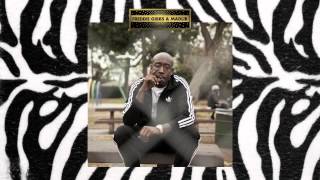
Watch the official Robes
music video
Struggle as Identity, Not Just Backstory
A major part of the meaning of Robes Freddie Gibbs, Madlib is that hardship is not treated like a chapter they left behind. It is still active in the way they think. Gibbs frames himself as someone who had to earn every bit of confidence.
Short phrases like respect my hustle
and diamond in the rough
show that outlook clearly. He is not begging for approval. He is saying that even if listeners dislike the work, they should still recognize the grind behind it.
There is also a spiritual note in the first verse. References to inner sight and alignment suggest a man trying to trust his own vision. That matters because it pushes the song beyond basic braggadocio. Gibbs is not only praising material wins; he is describing a mindset built on self-belief after chaos.
The Second Verse Turns Darker
The middle verse makes the song more unsettling. The writing becomes more fragmented and aggressive, filled with flashes of drug use, violence, and emotional damage. One of the sharpest lines compares abandonment to the father I never had
, which opens a brief but important personal wound.
That moment changes the song. It suggests that the coldness in the track did not appear from nowhere. It may come from neglect, instability, and habits formed in harsh conditions. Even when Gibbs is joking or flexing, there is a grim edge to the details.
Interpretation: this verse shows survival as both skill and burden. The narrator knows how to move through danger, but they also sound stuck in it. The toughness that protects them may also keep them emotionally distant.
Why the Hook Matters So Much
The chorus keeps returning like a quiet warning. It does not celebrate power. Instead, it frames the verses with distance and irony. The listener hears all the threats and swagger, then comes back to the idea that people hide behind expressions.
They often see what we can't see
Wearing a smile
You never ever find a frown
This is the one place where the song feels almost philosophical. The refrain suggests that appearances are unreliable. In a song full of boasting, that is a powerful choice. It hints that image, especially masculine image, can be a mask.
Madlib’s Beat Makes the Meaning Deeper
Madlib’s production is essential to how the song works. As documented in coverage around Piñata, the album blends dusty soul textures with hard rap writing, and “Robes” is a strong example of that method. The looped vocals in the hook feel soft, almost comforting, while Gibbs’ verses sound sharp and heavy.
That contrast creates emotional depth. A harsher beat might have turned the song into pure menace. Instead, Madlib gives it a hazy, reflective mood. The production leaves space for contradiction: confidence and sadness, success and paranoia, charisma and damage.
Boasting, Yes, but Also Self-Protection
The final verse is full of classic rap flexes. Gibbs talks about cars, jewelry, women, haters, and industry people who doubted him. On one level, this is straightforward victory talk. He made it through pressure and wants everyone to know it.
But the verse also keeps the song’s harder themes alive. The attacks on other rappers and label figures feel defensive, not carefree. Even success sounds unstable, as if they still need to prove they belong. That is why “Robes” feels more layered than a simple brag track.
The Takeaway
So what is “Robes” really about? At its core, it is about the performance of strength after struggle. Freddie Gibbs turns pain, hunger, and distrust into confidence, while Madlib’s soulful production reminds the listener that pain does not disappear just because someone looks composed.
The meaning of Robes Freddie Gibbs, Madlib lies in that split between what is shown and what is hidden. The song says survival can look stylish, loud, and fearless, even when it comes from scars.
Disclaimer: This interpretation is based on the lyrics, production, and public release context, and other listeners may hear different meanings in the song.








