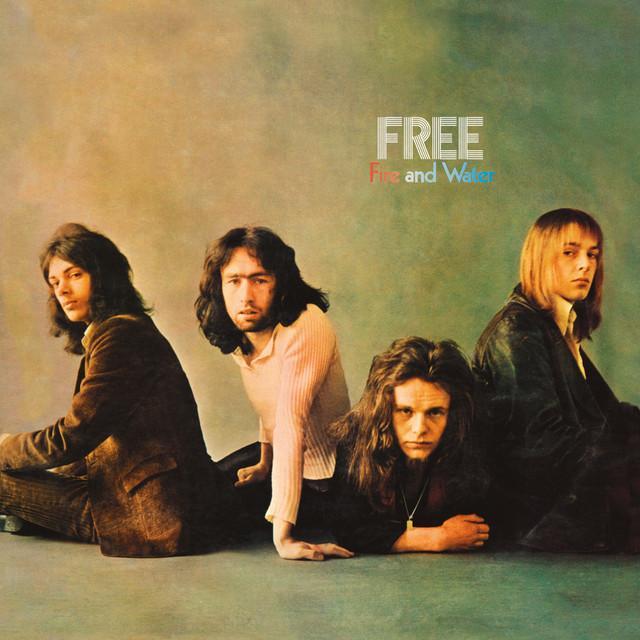
Fire And Water by Free
The meaning of Fire And Water Free comes down to one central tension: desire mixed with damage. Free turn a simple breakup song into something sharper by describing a lover who feels made of opposites. She is exciting, magnetic, and impossible to hold onto. That clash gives the song its heat.
"Fire And Water" - Free
I don't want to say goodbye
Baby but look at the tears in my eye
Loading lyrics...
Unable to load lyrics
We're unable to display the lyrics at this time. Please try again later.
Released in 1970 as the title track of Free's album Fire and Water, the song sits in the band's blues-rock peak, the same period that made them one of Britain's key hard rock acts of the era. Basic release details and credits are widely documented by sources such as Wikipedia's album entry and songwriter listings for Andy Fraser and Paul Rodgers in major discography databases like Discogs.
The Heart of the Song: Love That Hurts Fast
At its core, the song describes a relationship that keeps wounding the speaker. They present pain as a daily reality, not a single dramatic event. Early lines describe tears, heartache, and the struggle to leave, which shows that the bond still has power even when it is clearly unhealthy.
One key phrase is heart that's made of ice
. Before and after that image, the song makes clear that the woman can appear loving, then suddenly cold. That is why the song feels bigger than a normal breakup ballad. It is not only about loss. It is about emotional inconsistency.
Interpretation: The song suggests that the most painful relationships are often the ones that mix tenderness with rejection. The speaker is not just mourning love. They are trapped by unpredictability.

Watch the official Fire And Water
music video
Why the Title Says So Much
The chorus gives the clearest summary of the woman at the song's center. The line Fire and water
presents her as a walking contradiction. In plain terms, she seems to contain both heat and chill, passion and distance.
That leads to the memorable image made you their daughter
. The idea is not literal. It is poetic shorthand for saying her nature comes from two opposing forces. Then the song lands on the result: poor man's heart break
. The lover's mixed signals do real damage.
Interpretation: Fire stands for sexual pull, intensity, and danger. Water stands for cool detachment, disappearance, or emotional retreat. Together, they explain why the speaker cannot settle into either comfort or clean separation.
A Quick Look at the Story in the Lyrics
The song follows a clear emotional sequence:
- The speaker admits constant pain.
- They struggle to say goodbye.
- They describe the lover as both attractive and cruel.
- They threaten to leave and make her feel some of that pain back.
- They return to heartbreak rather than revenge.
That order matters. Even when the singer sounds defiant, the song keeps circling back to hurt. The phrase Baby you turn me on
helps explain why leaving is so difficult. Attraction is still alive, even after repeated disappointment.
There is also a brief flash of retaliation when the speaker says they will try to make her grieve. But the song does not really become a revenge anthem. It stays focused on emotional collapse.
How Free's Sound Deepens the Meaning
Part of the meaning of Fire And Water Free comes from the band's restraint. Free were never about clutter. Their best-known recordings often rely on space, groove, and pressure rather than speed. That approach is easy to hear here.
Paul Rodgers sings with a rough calm that makes the pain feel believable instead of theatrical. Andy Fraser's bass gives the song a rolling force, while Paul Kossoff's guitar adds blues weight without overplaying. Simon Kirke's drumming keeps everything grounded. The result is a track that feels tense but controlled, matching a speaker who is trying not to fall apart.
Interpretation: The music sounds like someone holding themselves together by rhythm alone. The groove pushes forward, but the lyrics keep pulling backward into heartbreak. That tug-of-war mirrors the relationship itself.
Artist Context Matters Here
Free formed in the late 1960s and became known for lean, soulful blues-rock. According to standard band histories like Britannica's entry on Free, their style depended on feel more than flash. That matters when reading this song.
"Fire and Water" is not packed with narrative detail or fancy metaphor. Instead, it uses repeated images and direct emotion. That simplicity is part of its strength. The band trust a few strong contrasts—heat and cold, love and tears, desire and exit—to do the work.
Alternate Ways to Read It
There is a straightforward reading: this is a man singing to a lover whose mixed behavior keeps breaking him.
There is also a slightly broader one. Interpretation: The song can be heard as a portrait of toxic attraction itself. In that reading, the woman is not just one person. She represents a type of romance built on instability, where excitement and suffering become hard to separate.
That is why the song still connects. Many listeners recognize the pattern even if the details are old-school blues-rock.
Why the Song Still Lands
The lasting power of the track comes from how clearly it names an emotional contradiction. People often stay in painful relationships because the good moments feel intense enough to excuse the bad ones. "Fire and Water" captures that trap in a few sharp images.
For listeners searching for the meaning of Fire And Water Free, the answer is simple: it is a song about being unable to quit someone who burns hot, turns cold, and leaves real damage behind.
Final Take
Free make heartbreak feel physical here. The lyrics sketch a lover of opposites, and the band give that idea a hard, bluesy pulse.
As always with song analysis, this reading is an interpretation based on the lyrics, performance, and available artist context, not a definitive statement of authorial intent.







