Why "Lost Without You" Hurts So Much
The meaning of Lost Without You Freya Ridings comes through fast: this is a song about letting someone leave, then realizing the goodbye was more devastating than expected. It is not just sad. It is stunned. The narrator tries to act generous and brave in the moment, but the emotional cost arrives later, all at once.
"Lost Without You" - Freya Ridings
It's like no other pain, I've ever known
To love someone so much, to have no control
Loading lyrics...
Unable to load lyrics
We're unable to display the lyrics at this time. Please try again later.
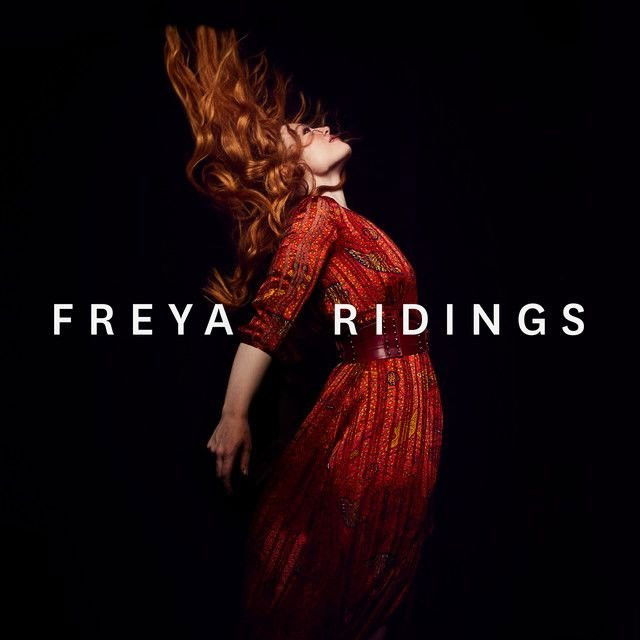
Freya Ridings released the song in 2017 as the second single from You Mean the World to Me. It was written by Ridings and produced by Ollie Green, and it later appeared on her 2019 self-titled album. The track became her first major chart hit after gaining wider attention through TV placement, including Love Island, and it eventually reached No. 9 on the UK Singles Chart and later earned 3x Platinum status in the UK. Those facts help explain why the song feels so culturally familiar: many listeners found their own heartbreak inside it.
A Goodbye That Feels Noble at First
The opening scene is simple but brutal. The narrator is standing on the platform
, watching someone leave. That image matters because platforms are in-between spaces. People do not live there. They wait, hesitate, or part there.
The emotional twist comes when the narrator remembers agreeing to the departure. The other person says they want something bigger, and the narrator answers with support. In plain terms, they choose love that does not control. That sounds mature on the surface, but the song asks what happens after the noble choice.
The hidden wound in that first verse
The key idea is not anger. It is helplessness. When the lyric says there is no control
, it frames love as something that cannot force a person to stay. That is why the pain feels so sharp. The narrator did the right thing and still ended up shattered.

Watch the official Lost Without You
music video
What the Chorus Really Confesses
The chorus is direct enough to feel almost embarrassing, which is part of its power. When the narrator says lost without you
and later crushed without you
, they are not trying to sound poetic. They are finally admitting dependence.
Interpretation: the chorus is about delayed self-knowledge. The narrator believed they were strong enough to survive this separation with dignity. Then they discover that strength was partly an illusion. The line about being strong for a long time suggests they are used to carrying pain quietly, maybe even defining themselves by resilience.
That is why the hook lands so hard. It is not only grief over another person leaving. It is the collapse of the narrator's idea of who they are.
Everyday Life Turns Strange
One of the song's best details is the crowd image. There are strangers moving past, trying to get home, while the narrator feels stuck in private disaster. That contrast makes the song feel real. Heartbreak often happens in public spaces where everyone else seems normal.
The missing person is described as a safehaven
, which suggests emotional shelter rather than simple romance. This was not just a partner. They were comfort, stability, and safety. Once that shelter is gone, ordinary movement around the narrator becomes almost surreal.
Why the breathing image matters
When the pain hits full speed
, the song shifts from sadness into panic. The body reacts before the mind catches up. They cannot breathe, the world feels unstable, and no one around them notices. That detail turns the song from a general breakup ballad into a portrait of shock.
The Sound Carries the Meaning
Part of the reason the song connected so widely is its production. Ridings sings over a sparse piano-led arrangement that leaves a lot of emotional space. There is no busy beat to distract from the confession. The song gradually grows, but it never loses its exposed feeling.
That restraint is crucial. A big, glossy production might have made the song sound triumphant. Instead, the music feels fragile and close, as if the listener is hearing the realization happen in real time. Ridings' vocal delivery does much of the work: she stretches phrases, lets strain stay in the tone, and avoids sounding polished in a way that would weaken the heartbreak.
Interpretation: the arrangement mirrors emptiness. The spaces around the piano and voice sound like the absence the lyrics are describing.
Why So Many People Saw Themselves in It
The song's commercial path supports its emotional reach. After release, it spread through prominent sync placements and later crossed into broader chart success, even reaching the US Adult Contemporary chart. That matters because songs that last usually carry a feeling listeners can enter quickly.
Here, the feeling is universal: supporting someone's freedom while quietly fearing what their absence will do. The repeated return to the opening image reinforces that this moment keeps replaying in the narrator's mind. They are not just remembering the goodbye. They are reliving the instant they chose not to stop it.
One Song, Two Strong Readings
There are at least two convincing ways to hear it:
- Romantic heartbreak: someone leaves to pursue life elsewhere, and the narrator regrets acting brave.
- A song about emotional dependency: the departure reveals that the narrator built their sense of safety around another person.
Both readings fit the lyrics. The second may explain why the song feels bigger than a breakup story. It is also about identity after loss.
The Lasting Takeaway
The meaning of Lost Without You Freya Ridings is not simply that separation hurts. It is that love can hide how much a person relies on another until that person is gone. By keeping the language plain and the production spare, Ridings makes that realization feel immediate and human.
That is why the song still resonates: it captures the painful gap between saying "go" and understanding what that goodbye really cost.
Disclaimer: This interpretation is based on the released lyrics, performance, and public song information. As with most songs, listeners may hear meanings that differ from the artist's private intent.









