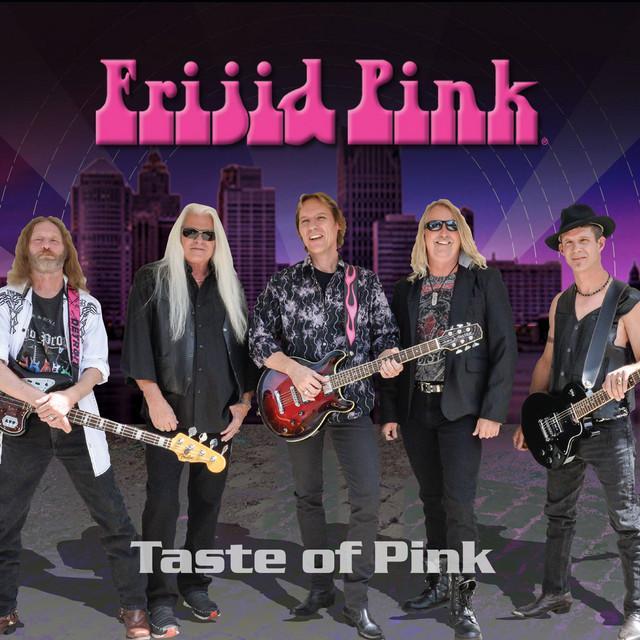
House of the Rising Sun by Frijid Pink
A folk warning turned into a hard-rock spiral
The meaning of House of the Rising Sun Frijid Pink starts with an old story: someone looks back on a ruined life and knows exactly where things went wrong. The song is a traditional American folk ballad with deep roots, long before Frijid Pink recorded it. Over time, different singers changed the gender, details, and even what the “house” might be, but the core idea stayed the same: a place of temptation destroys people who enter it.
"House of the Rising Sun" - Frijid Pink
They call the rising sun.
And it's been the ruin of many a poor Boy,
Loading lyrics...
Unable to load lyrics
We're unable to display the lyrics at this time. Please try again later.
Frijid Pink’s 1969–70 cover did not change that message. What they changed was the emotional force. Their version turns sorrow into panic. Instead of sounding like a quiet confession, it feels like a person being swallowed by fate in real time.
Watch the official House of the Rising Sun
music video
The narrator is confessing and warning at once
At the center of the lyric is a speaker who admits they have been broken by the place called the Rising Sun. When the song says ruin of many a poor boy
, it frames the story as both personal and universal. This is not one bad night. It is a pattern that has destroyed many lives.
The narrator also links that downfall to family history. The references to a tailor mother and a gambler father suggest a life shaped by class, labor, and inherited weakness. The father especially matters. His restless hunger and drinking become a model for the child’s future.
Interpretation: The song is not simply blaming the parents. It is showing how people can feel trapped by where they come from, what they learned, and the habits they inherit.
The Rising Sun is bigger than one building
One reason the song has lasted so long is its mystery. According to research collected by Wikipedia, the song has uncertain authorship and exists in many versions. The “house” has often been read as a brothel, a prison, or a broader symbol of vice in New Orleans.
Songfacts notes two common theories: a New Orleans brothel and the Orleans Parish women’s prison, which may connect to the image of a ball and chain
(Songfacts). Neither theory fully closes the case.
That ambiguity helps the song. The Rising Sun becomes more than an address. It stands for any place that promises escape but delivers damage.
How the story moves from regret to doom
The plot is simple, but it hits hard because each verse deepens the trap:
- The narrator names the place and its power.
- They connect their fate to family roots.
- They warn others not to repeat it.
- They head back toward the place anyway.
That last turn is the cruelest part. When the singer has one foot on the platform
, they are in motion, but not toward freedom. They are returning to the place that already destroyed them.
Oh mother, tell your children
not to follow the same road.
This is the song’s moral center. It is a warning, but it is spoken by someone who seems unable to save themselves.
Why Frijid Pink’s version feels so intense
Frijid Pink’s cover was released as a single in December 1969, produced by Michael Valvano, and became an international hit in 1970. It reached No. 7 on the Billboard Hot 100 and charted even higher in some European markets, according to Wikipedia.
Musically, their recording stands apart from the better-known Animals hit. The Animals used a dramatic 6/8 pulse and a famous organ line. Frijid Pink moved back to 4/4 and pushed the song into psychedelic and hard blues-rock territory. Their version is driven by fuzz and wah-wah guitar plus frantic drums, a combination noted by both Wikipedia and Songfacts.
That matters to the meaning. The distortion makes the song sound unstable. The drumming feels like pressure building. Instead of graceful tragedy, Frijid Pink give the song a sense of physical danger.
A heavier arrangement changes the emotional reading
When Frijid Pink attack the song so aggressively, they make the narrator’s downfall feel less reflective and more immediate. The lyric already contains regret, but the band’s sound adds fear, chaos, and maybe even rage.
Interpretation: In this version, the Rising Sun is not just a sinful place from the past. It feels like an inescapable machine pulling the speaker back in. The guitar almost acts like that force itself.
This is why the cover works so well. It respects the old folk warning while translating it for the late 1960s and early 1970s, when rock often turned inner pain into louder, rougher sound.
Why the song still connects today
The meaning of House of the Rising Sun Frijid Pink still lands because its themes are timeless:
- addiction and self-destruction
- family influence
- shame and confession
- repeating harmful patterns
- warning others too late
Even listeners who do not know the song’s history can hear that sadness. The speaker knows the truth, says the truth, and still cannot escape it.
Final takeaway
Frijid Pink’s “House of the Rising Sun” is about a person who understands their own ruin but cannot stop the cycle. The old folk lyric already carried guilt and warning, yet Frijid Pink’s heavy arrangement makes that story feel harsher and more desperate.
Their cover turns a moral ballad into a near-nightmare. That is why it remains one of the most striking rock versions of this song.
Disclaimer: This interpretation separates documented facts from critical reading. Because “House of the Rising Sun” is a traditional song with many variants, some meanings remain open to debate.







