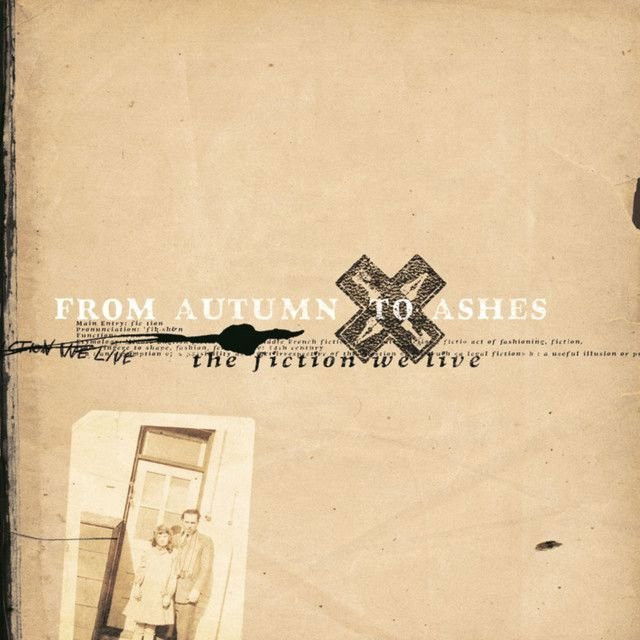
Why 'The After Dinner Payback' Still Hits Hard
The meaning of The After Dinner Payback From Autumn To Ashes comes from a familiar but painful place: the moment when a relationship is ending, yet the emotions inside it are still tangled. This is not a calm goodbye song. It sounds like someone trying to cut a person out of their life while still being deeply shaped by them.
"The After Dinner Payback" - From Autumn To Ashes
I'm not writing songs for you
I sleep better in the dark
Loading lyrics...
Unable to load lyrics
We're unable to display the lyrics at this time. Please try again later.
From Autumn to Ashes built their name in the early 2000s post-hardcore and screamo scene, known for mixing harsh screams with clean singing and dramatic emotional swings. That style matters here. Even without outside backstory, the song itself presents a breakup as a fight between rejection and need.
A breakup song that refuses to stay simple
At the surface, the speaker sounds done. They insist they are not wishing anymore
and not writing songs for you
. Paraphrased, they are trying to stop giving the other person emotional power.
But the song does not stay in that mode. It keeps returning to the idea that this person still shapes what the speaker believes, feels, and says. That is why the track feels stronger than a standard revenge song. It is not just about hatred. It is about the mess left behind when someone wants freedom but is still emotionally attached.
Interpretation: The song works best as a portrait of emotional whiplash. The speaker is trying to reclaim control, but every line proves the other person still matters.

Watch the official The After Dinner Payback
music video
The push and pull inside the lyrics
One of the smartest things in the song is how often it contradicts itself. Early on, the speaker rejects closeness and says they sleep better away from this bond. Later, the message shifts toward relief and even devotion.
That shift is key to the meaning of The After Dinner Payback From Autumn To Ashes. The speaker moves from blame to relief, from refusal to lingering loyalty. A short phrase like I feel relief
changes the emotional temperature. It suggests that walking away hurts, but it also clears space to think.
Then the song complicates that relief with another confession: I'll do anything for you
. That is not the language of full closure. It shows a person whose anger has not erased attachment.
A quick map of the emotional timeline
- They deny longing and creative devotion.
- They blame the other person for spiritual and emotional damage.
- They wish the whole conflict would end.
- They try to walk away.
- They admit the break also brings relief.
- They still confess deep loyalty.
That structure makes the song feel unstable in a human way. Real breakups often sound exactly like this: clear in one moment, conflicted in the next.
What the chorus-like refrain is really doing
The repeated challenge Will it tear you apart?
changes the song from inward pain to outward confrontation. Up to that point, much of the lyric is about the speaker's own state. This line turns toward the other person and asks whether the separation will hurt them too.
Paraphrased, the speaker is not only suffering; they also want to know if the pain is mutual. That question carries bitterness, but it also reveals vulnerability. If they truly did not care, they would not ask.
Interpretation: This refrain sounds like emotional payback. The speaker wants proof that the breakup matters on both sides.
Images of darkness, silence, and wasted words
The song uses simple images rather than elaborate poetry. Darkness, sleep, silence, and walking away do most of the work. When the speaker says I sleep better in the dark
, the line suggests withdrawal rather than comfort. Darkness becomes a place with fewer demands, fewer conversations, and less emotional performance.
Another recurring idea is speech failing under pressure. The lyric mentions being tongue-tied, which implies that the relationship damaged clear communication. They cannot easily explain what they feel, yet they also cannot stop circling those feelings.
These motifs support a larger theme: the breakup is not just emotional separation. It is a crisis of identity, belief, and voice.
How the sound carries the message
From Autumn to Ashes are widely associated with post-hardcore and emo-leaning screamo textures, especially the contrast between screamed and melodic vocals, as documented in band references like AllMusic and Wikipedia. That sonic split is essential to this song's meaning.
The harsher vocal parts feel like accusation and breakdown. The cleaner passages feel more reflective, almost like the speaker catching their breath long enough to admit what still hurts. Instead of smoothing over the contradictions in the lyrics, the arrangement amplifies them.
Fast drums, tense guitars, and abrupt dynamic changes make the song feel like an argument happening in real time. The production does not create distance. It keeps the listener trapped inside the emotional back-and-forth.
Two strong ways to read the song
Reading one: a breakup as emotional revenge
The title points toward retaliation. In this reading, the speaker wants the other person to feel the same damage they caused. That fits the bitter questions and the language of blame.
Reading two: a breakup as self-rescue
There is also a quieter reading. The repeated refusals and the turn toward relief suggest someone trying to save themselves from a bond that has become destructive. In that version, the song is less about punishing the other person and more about finally leaving.
Both readings can be true at once, which is part of why the song endures.
Why the song still resonates
The meaning of The After Dinner Payback From Autumn To Ashes lasts because it captures a feeling many breakup songs miss: the moment when anger, grief, dependence, and freedom all exist together. The speaker is not healed, and they do not pretend to be.
That honesty gives the track its staying power. It is loud, dramatic, and messy, but those qualities serve the song's emotional truth.
Disclaimer: This interpretation is based on the lyrics, performance, and publicly available band context. As with any song, listeners may hear different meanings in it.







