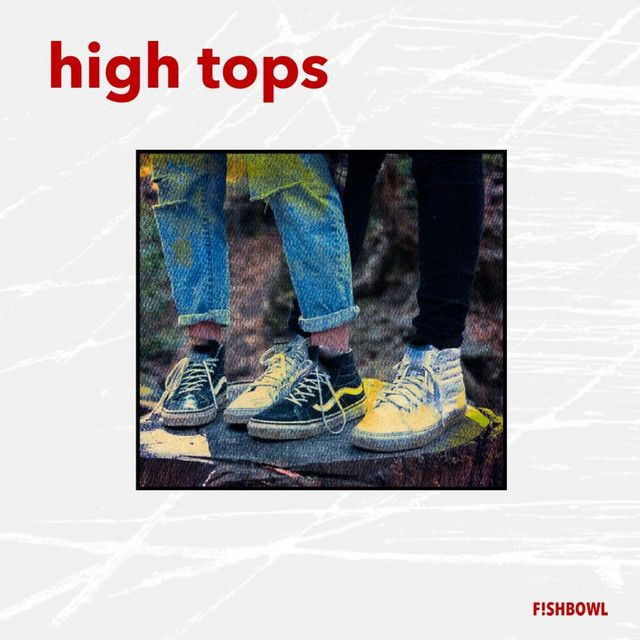
Why 'high tops' by F!SHBOWL Hurts So Much
The meaning of high tops F!SHBOWL comes through a simple but sharp metaphor: wearing shoes that do not fit. In this song, F!SHBOWL turns footwear into a way of talking about attraction, compromise, and the kind of relationship pain people choose even when they know better.
"high tops" - F!SHBOWL
Think I'd want you
But you're a bargain for the price
Loading lyrics...
Unable to load lyrics
We're unable to display the lyrics at this time. Please try again later.
Rather than describing heartbreak in big dramatic language, they keep it physical. The body feels the mismatch first. That choice makes the song easy to understand and hard to shake.
A Relationship That Looks Cheap but Costs Plenty
At its core, the song is about staying attached to someone who is clearly not the right fit. The speaker admits the other person is a bargain for the price
, which sounds dismissive at first. But the line is more complicated than an insult.
It suggests they know this relationship may not be rare, perfect, or even healthy. Even so, they still choose it. That is why the song feels so human: they recognize the flaw and keep going anyway.
Interpretation: The track is not celebrating devotion in a clean, romantic way. It is showing how people justify discomfort when desire is still stronger than caution.

Watch the official high tops
music video
The Shoe Metaphor Does the Heavy Lifting
The central image is clever because shoes are everyday objects. Everyone understands what it means to squeeze into the wrong size. When the song says still wearing your size
, it points to trying to live inside somebody else’s shape instead of their own.
That image opens up a few connected ideas:
- emotional mismatch
- changing themselves to keep someone close
- hiding pain to preserve attraction
- confusing effort with compatibility
The sizes in the chorus deepen that idea. The speaker says you’re an 8.5
while they feel 10.9
. The exact numbers almost sound playful, but the meaning is serious. They are measuring a gap. One person is one thing, the other is another, and no amount of lacing can fully fix it.
Verse by Verse, the Song Chooses Motion Over Healing
The first verse frames the choice clearly. The speaker thinks if they were no longer in the other person’s size, they might stop wanting them. That is a revealing thought. Desire here seems tied to habit and proximity, not just love.
Then the song shifts into movement. The speaker wants to move faster
, release the shuffle, and push ahead. That momentum matters. Instead of sitting still and asking whether the relationship works, they stay in motion. Fast movement becomes a way to avoid reflection.
In the second verse, the consequences are impossible to ignore. The body speaks again through pain: bleeding feet, burning heels, and a sense that even walking has become dishonest. One foot hurts; the other lies. That split image suggests they cannot trust their own balance anymore.
What the Chorus Really Reveals
The chorus is where the emotional truth lands. The repeated image of cheap high tops
says a lot in very few words. These shoes are not precious, not luxurious, and not built to last. Yet they still matter to the speaker.
That is the song’s central contradiction. The relationship may be low-value in practical terms, but emotionally it keeps its grip. By asking the other person to come close and tie the shoes, the speaker turns a basic act into intimacy. They want help staying inside something that hurts them.
Interpretation: That is what makes the hook sadder than it first appears. It is not just flirtation. It is dependence.
Sound and Structure Support the Meaning
Even without extensive production credits, the writing itself suggests an indie or alt-pop approach: conversational wording, a compact hook, and imagery grounded in ordinary objects. The phrasing feels casual, but the emotional design is precise.
The song likely benefits from that contrast. If the instrumental is bright or bouncy, it would sharpen the irony: a catchy surface carrying a story about discomfort. If it leans rougher or garage-pop, that would match the scraped-up physical detail in the lyrics.
Either way, the structure supports the theme. The verses list evidence of mismatch, while the chorus returns to the ritual that keeps the speaker stuck. That circular pattern mirrors real life. People often repeat what hurts because repetition can feel safer than change.
A Few Strong Alternate Readings
There is a straightforward romantic reading here, but the song leaves room for more.
Reading One: A bad-fit relationship
This is the clearest interpretation. The shoes stand in for a partner whose life, needs, or emotional shape does not match the speaker’s.
Reading Two: Identity and self-editing
The lyrics can also suggest social performance. Wearing someone else’s size may mean changing style, behavior, or personality to be desired. In that reading, the pain is the cost of becoming less like themselves.
Reading Three: Youthful self-destruction
Because the song uses casual, almost witty language, it may also capture a younger kind of damage: knowing something is cheap, temporary, or unhealthy, but choosing it because intensity feels better than emptiness.
Why the Song Sticks
The meaning of high tops F!SHBOWL lasts because the metaphor is so clear. People know what it is like to force a fit, hide discomfort, and tell themselves it is worth it because they still want the person attached to the pain.
F!SHBOWL do not need grand statements to make that point. They use shoes, sizes, and motion to show a relationship that never quite fits but never fully loses its pull either.
That tension is the song’s real power. It understands that some attachments hurt most not because they are rare, but because they are ordinary enough to keep repeating.
Disclaimer: This article offers an interpretation of the song based on its lyrics and available context. Without a detailed public statement from the artist, some meanings remain open to listeners.









