Why “Maggot Brain” Still Feels Unbearable
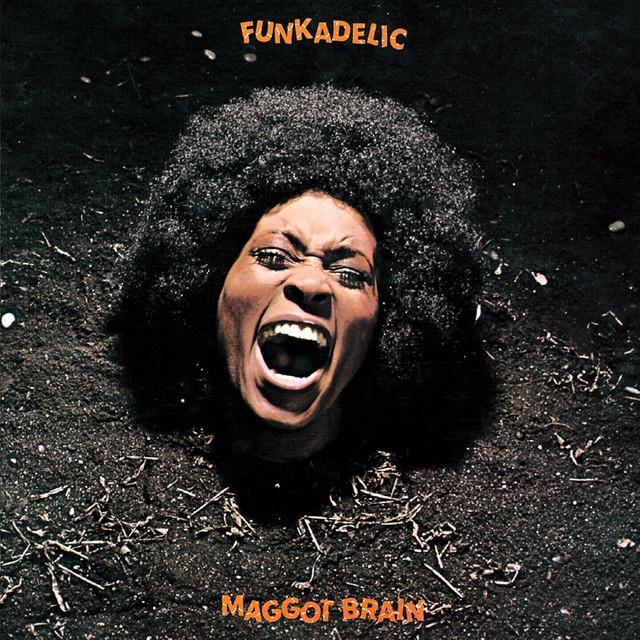
The meaning of Maggot Brain Funkadelic starts with a shock: a few surreal spoken lines, then a guitar performance that feels less like a song and more like a person trying to survive pain. Released as the title track of Funkadelic’s 1971 album Maggot Brain, it became one of the group’s most famous recordings and a landmark of psychedelic soul and Black rock.
"Maggot Brain" - Funkadelic
For y'all have knocked her up
I have tasted the maggots in the mind of the universe
Loading lyrics...
Unable to load lyrics
We're unable to display the lyrics at this time. Please try again later.
What makes it hit so hard is its split design. The words are brief, almost apocalyptic. The music says the rest.
A Tiny Lyric, A Huge Emotional World
The spoken intro is short, but it opens a giant set of ideas. George Clinton begins with Mother Earth is pregnant
, a phrase that sounds like creation has become contaminated. Instead of a hopeful birth image, the line points to damage, excess, and a world pushed too far.
Then comes the song’s most famous image: maggots in the mind
. Paraphrased, the speaker seems to describe rot not just in nature, but in thought itself. This is why the song often feels bigger than personal sadness. It hints at spiritual sickness, social collapse, and inner corruption all at once.
The closing thought of the monologue turns sharply inward. The speaker says they must rise above it all
or else sink into self-destruction. That makes the track’s emotional conflict very clear: face despair, or be consumed by it.
I knew I had to rise above it all
Or drown in my own shit
That two-line passage is the song’s clearest statement of survival. It is blunt, ugly, and honest. The language matters because Funkadelic do not soften the crisis. They present transcendence as something earned in confrontation with filth, fear, and pain.

Watch the official Maggot Brain
music video
The Guitar Becomes the Real Narrator
After the intro, the words nearly vanish. What follows is Eddie Hazel’s long, improvised guitar solo, widely described as the center of the piece. According to widely repeated accounts collected in background on the album, George Clinton told Hazel to imagine learning that his mother had died, then to pour that feeling into the instrument. The track was reportedly recorded in one take, with the mix built to keep Hazel in the spotlight.
Those facts matter because they explain why the solo sounds so exposed. This is not flashy guitar for its own sake. It bends, cries, stalls, and surges like someone trying to process grief in real time.
Why the sound feels haunted
Clinton’s production also shapes the song’s meaning. Reports on the album note that Hazel used fuzz and wah, while Clinton added delay and Echoplex-style effects. The result is a tone that feels distant and close at the same time, as if the guitar is calling from inside a tunnel.
That sonic choice supports the song’s themes. If the intro suggests mental and cosmic decay, the guitar sounds like a spirit trying to move through it.
Interpretation: Grief, Society, or Both?
There are at least two strong readings of the song.
Interpretation 1: a personal grief ritual
The most common reading is that “Maggot Brain” is about grief and emotional release. In that view, the spoken intro sets the emotional stakes, and the solo becomes a wordless mourning process. Hazel does not simply decorate the track; they carry its pain.
This reading fits the performance style. The playing often sounds wounded before it sounds triumphant. Even when the guitar climbs, it never feels fully safe.
Interpretation 2: a vision of social and spiritual decay
A second reading hears the song as a wider statement about America in the early 1970s. Funkadelic often mixed funk, rock, and social commentary, and the album around this track explores unity, class, and drug culture. In that context, the mind of the universe
can sound like a diagnosis of a broken culture.
Here, the title image does not just describe one person’s suffering. It suggests rot inside systems, beliefs, and habits. The solo then becomes resistance: not escape from the world, but a way of surviving it.
Why the Song’s Context Matters
“Maggot Brain” opened Funkadelic’s 1971 album of the same name, produced by George Clinton. The album was released on Westbound Records and is now considered one of the defining records of psychedelic funk. Retrospective acclaim has been strong, with major publications later ranking it among great albums of its era.
That context helps explain why the title track lasts in culture. It is not only a beloved guitar showcase. It sits at the crossroads of Hendrix-inspired rock language, deep soul feeling, experimental studio craft, and Funkadelic’s willingness to make ugly emotions sound beautiful.
Why It Still Connects
The meaning of Maggot Brain Funkadelic lasts because the song refuses easy comfort. It names corruption, faces despair, and then answers with expression rather than silence. The repeated call Go on, Maggot Brain
sounds like both a command and a dare: keep going, even through psychic wreckage.
For many listeners, that is the song’s deepest power. It does not promise healing. It dramatizes the act of reaching for it.
Final takeaway
“Maggot Brain” can be heard as grief, social rot, or both at once. Factually, its spoken intro, Hazel’s improvised solo, and Clinton’s sparse, effect-heavy production all support that weighty mood. Interpretation: the song’s real subject may be what a person does after seeing too much darkness—collapse, or turn pain into sound.
Disclaimer: This interpretation is based on the recording, documented production history, and critical context. Like many great songs, “Maggot Brain” remains open to more than one valid reading.








