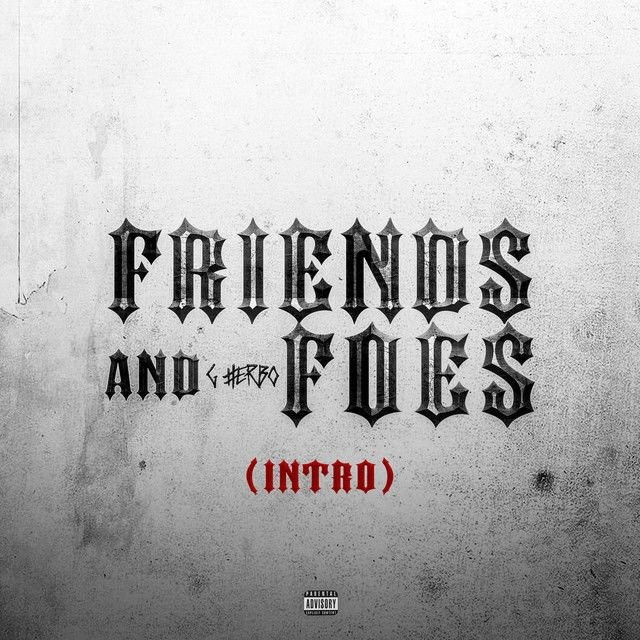
Friends & Foes by G Herbo
In “Friends & Foes,” G Herbo turns a street memoir into a warning: success can change their address, but it does not erase the people, pain, or instincts that shaped them.
"Friends & Foes" - G Herbo
Provided by LyricFind(Zaytoven)
Where would I be without rap? Nobody really knows
Me and Greg was sharin' clothes, but we wasn't really brosLoading...Loading lyrics...
Unable to load lyrics
We're unable to display the lyrics at this time. Please try again later.
The Core Meaning Hiding in Plain Sight
The meaning of Friends & Foes G Herbo comes down to one central tension: they are trying to live like a rap star while still carrying the mindset of someone raised in danger. The song keeps moving between two worlds—poverty and wealth, loyalty and betrayal, growth and relapse.
Herbo frames rap as the force that changed their life, but not their memory. When they wonder where they would be without music, the answer is not simple ambition. It suggests that rap became escape, identity, and proof of survival.
Interpretation: the title matters because “friends” and “foes” are not always easy to separate. In Herbo’s world, old bonds can be weak, and respect can turn into envy fast. That is why the song sounds both proud and defensive.

Watch the official Friends & Foes
music video
From Shared Clothes to Street Code
Early lines look backward. Herbo remembers hardship, school-age hustling, and trying to impress others before they had any real power. A phrase like sharin' clothes
says a lot in just two words. It points to a childhood where scarcity shaped pride and relationships.
The song also maps identity through neighborhood culture. Their references to blocks, crews, and hand-me-down habits are not there just for color. They show how deeply the street code got built into them long before fame.
That is why the song does not present violence as random. It presents it as learned behavior, inherited memory, and daily routine. Even when Herbo says they want change, the verses admit how hard it is to unlearn what once kept them alive.
Memory, Trauma, and the Need to Stay Dangerous
One of the song’s strongest ideas is that survival creates a permanent alertness. Herbo does not describe danger as something finished in the past. They describe it as a force still living in the body.
When they say still dangerous
, it is not just a threat to rivals. It is also self-definition. Success has not made them soft, and they seem determined to remind both enemies and doubters of that fact.
Another key image arrives when they mention finding gold in the rainbow
. That line briefly interrupts the song’s harshness with a more hopeful image. In plain language, they are saying they found reward after suffering. But the optimism is limited. The song quickly returns to risk, anger, and retaliation.
Interpretation: this is the emotional center of the track. Herbo wants transformation, but they do not trust the world enough to fully relax into it.
Wealth Changes the View, Not the Past
Midway through, the song shifts into money talk—cars, property, jewelry, and big monthly costs. These details are not filler. They prove distance from the old life while also showing how public success brings pressure.
A line like dead broke, now I'm rich
sounds like a classic rap jump, but Herbo twists it. Instead of peace, the new status brings resentment from others and the need to defend their name. Wealth is a trophy, but it is also a target.
That is where the “foes” side of the title gets sharper. The verses describe sneak dissing, betrayal, and people who resent the climb. Herbo’s response is not calm public relations. It is raw suspicion.
Fatherhood Adds a New Layer
The song becomes more revealing when it touches family. Herbo says they would kill for their son, and that line changes how the rest of the record lands. Suddenly, the aggression is not only about reputation. It becomes tied to protection and legacy.
That small turn matters. It suggests that becoming a parent gave them a reason to feel again after emotional numbness. The old instincts remain, but now they are aimed at guarding something bigger than ego.
Why the Performance Feels So Intense
The production tag points to Zaytoven, a producer widely known for piano-forward trap records and clean, spacious arrangements. That sonic style helps the song’s meaning. The beat leaves room for Herbo’s breathless, forceful delivery, which often feels like memory spilling out faster than they can sort it.
Rather than a smooth, melodic performance, Herbo raps in bursts. That cadence makes the song feel lived-in. It sounds less like a polished speech and more like someone replaying scenes from different stages of life.
Interpretation: the contrast is important. The instrumental has elegance, while the lyrics carry chaos. That split mirrors the whole song: outward success covering inner unrest.
A Story Told in Fragments
“Friends & Foes” does not unfold like a neat story with one event leading to the next. It works more like flashes of memory:
- childhood lack and early identity,
- street violence and neighborhood loyalty,
- rap success and material payoff,
- betrayal, paranoia, and grief,
- fatherhood and a guarded hope for change.
That fragmented structure feels honest. Trauma rarely arrives in perfect order, and Herbo’s writing reflects that. The song keeps returning to one fact: they made it out, but they still carry the place they came from.
Final Take on the Song’s Message
The meaning of Friends & Foes G Herbo is not just that friends can become enemies. It is that survival can blur every line—between growth and aggression, gratitude and anger, memory and identity.
Herbo uses the song to show that fame did not erase the old rules. It only made the stakes larger. Their wins are real, but so are the scars behind them.
Disclaimer: This interpretation is based on the lyrics, performance, and known artist context, and other listeners may hear different meanings in the song.









