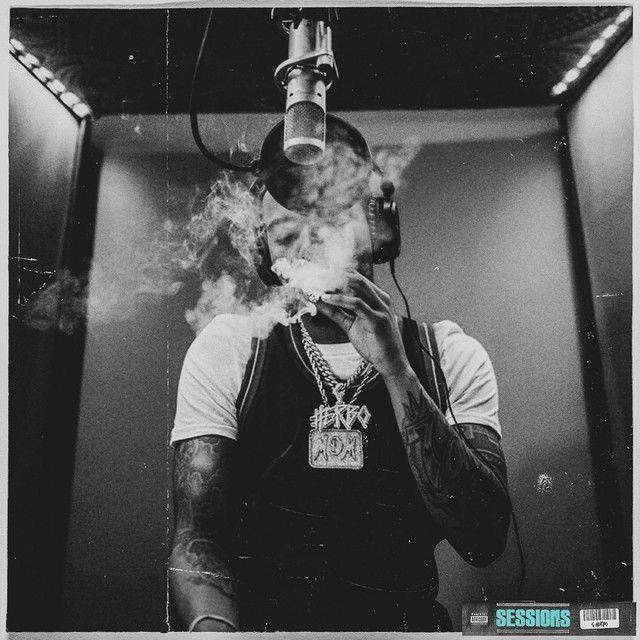
I Want It by G Herbo
The meaning of I Want It G Herbo comes down to a hard promise: they wanted success, but they also accepted the pain, danger, and pressure that came with it.
"I Want It" - G Herbo
Provided by LyricFindUh, uh, turn me up
Turn me up some more, yeah, uh
UhLoading...Loading lyrics...
Unable to load lyrics
We're unable to display the lyrics at this time. Please try again later.
A Hunger Song, Not a Victory Lap
The meaning of I Want It G Herbo is bigger than flexing. On the surface, the song lists money, cars, jewelry, and status. But under that, it sounds like a survival speech. They are not only celebrating what they have; they are explaining what it cost.
G Herbo, born Herbert Randall Wright III, came out of Chicago’s drill scene and built a reputation for vivid street writing and blunt delivery, first as Lil Herb and later under the G Herbo name. According to the career summary collected on Wikipedia, they have been active since 2011 and became known for pairing drill intensity with sharper storytelling than many critics expected from the genre. That context matters here, because "I Want It" works best as both a boast and a testimony.
The song’s central idea appears in the repeated phrase Whatever come with it, I want it
. Paraphrased, they are saying success is never clean. If money brings enemies, grief, guilt, or violence, they still chose the whole package.
Watch the official I Want It
music video
From Empty Hands to Full Responsibility
One of the strongest emotional turns in the song is the move from lack to abundance. When Herbo says Ain't have a crumb
, the line is simple but heavy. It points to real deprivation, not just a generic rap backstory.
That hunger becomes the engine of the whole song. They describe a life where want turned into drive, and drive turned into a code: if an opportunity exists, take it. If success requires sacrifice, make it. If the people around them need help, put them on too.
This is why the song does not feel selfish, even when it is flashy. A key line is gotta put everybody on
. In plain terms, they are saying rising alone is not enough. Success creates a duty to lift the crew, family, or neighborhood. That pressure makes the song feel heavier than a normal anthem about getting rich.
The Past Still Runs Beside the Present
Old blocks, old danger, new money
The verses keep folding the past into the present. Early on, Herbo remembers the block being active all night, with police pressure and neighborhood chaos unable to stop it. They describe those years as reckless, armed, and emotionally numb.
That matters because the current luxury in the song never sounds peaceful. Cars, fashion, and expensive jewelry are mentioned, but they are surrounded by distrust and readiness for conflict. Even after money arrives, they still sound like someone who expects trouble.
A short phrase like Way 'fore I ran up that check
links everything together. Before the money, there was loneliness. After the money, there is still paranoia. Interpretation: the song suggests that success changed Herbo’s lifestyle, but not the survival instincts built in Chicago.
What the Chorus Really Means
The hook is the song’s mission statement. It repeats the desire to have all of success, even the ugly parts. That repetition matters because it turns the track from storytelling into philosophy.
Instead of saying they deserve success, Herbo says they are built for its consequences. The repeated I want it
sounds like self-motivation, but it also sounds defensive, as if they are reminding themselves why all the pressure is worth carrying.
Interpretation: the chorus can be read as a form of emotional armor. If they choose every consequence in advance, then betrayal, stress, and danger feel less like surprises and more like the price of the deal.
Sound That Matches the Mindset
Production plays a big role in the meaning of I Want It G Herbo. Even without overcomplicated melody, the beat leaves room for Herbo’s voice to hit with force. The tone feels cold, steady, and confrontational, which fits the song’s message about focus and hardness.
Their delivery is especially important. Herbo often raps in a way that sounds half-spoken, half-pushed through clenched teeth. That gives the track tension. They do not sound relaxed inside their wealth; they sound alert.
That style connects to their wider catalog. G Herbo is widely associated with drill, trap, and Midwestern hip-hop, and their work has often balanced aggression with personal detail, as reflected in summaries of projects like Humble Beast, PTSD, and later releases. In that sense, "I Want It" fits a familiar lane: intense street realism mixed with inner conflict.
Ambition, Loyalty, and Isolation
Another major theme is trust. The song keeps circling back to the idea that success changes relationships. Herbo mentions betrayal, distance, and the fear that old bonds are no longer solid.
That is why one of the saddest ideas in the song is not about violence at all. It is the admission of being lonely before the money and still sounding emotionally guarded after it. Wealth fixes some problems, but it does not restore innocence or make people easier to trust.
This also gives the song a second meaning. Interpretation: beyond ambition, "I Want It" is about accepting adulthood in a harsh environment. The line about being grown men suggests that excuses are over. Wanting more means owning every outcome.
Why the Song Lands
What makes "I Want It" stick is its refusal to separate reward from cost. The song does not pretend success brings peace. It says the opposite: ambition can deepen pressure, expand enemies, and intensify responsibility.
That honesty is what gives the meaning of I Want It G Herbo its force. They present hunger as real, success as earned, and consequences as unavoidable. The result is a song that feels less like celebration than a vow.
Final Take
G Herbo turns desire into a total-life statement here. Money matters, but the deeper subject is the willingness to carry trauma, loyalty, fear, and duty in the same bag as success.
Disclaimer: This article offers an interpretation of the song based on its lyrics, performance, and public artist context. Different listeners may hear the meaning differently.









