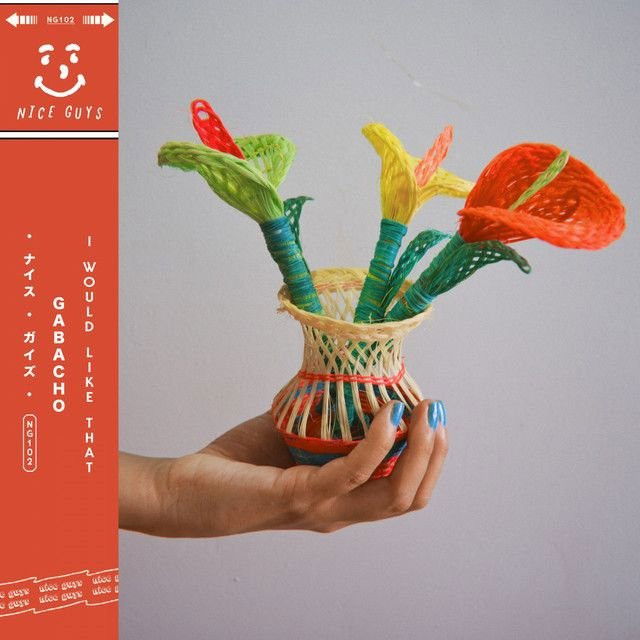
I Would Like That by Gabacho
The meaning of I Would Like That Gabacho centers on a relationship that has grown difficult, even painful, but still holds a spark of shared longing. The song imagines escape as a cure: leave town, rewrite the past, and recover the feeling the couple once had. Its emotional pull comes from a simple question beneath all that movement: can two people start over when love has already been bruised?
"I Would Like That" - Gabacho
Heartfelt words turn to clashing points of view
I just wish we could start our lives anew
Loading lyrics...
Unable to load lyrics
We're unable to display the lyrics at this time. Please try again later.
A Love Song About Starting Over
At its core, the song presents a couple caught between damage and desire. Early lines describe something that used to feel easy but now feels divided. What was once heartfelt has turned into conflict, and the narrator responds not with anger, but with a fantasy of renewal.
That is why the song keeps returning to images of motion and reinvention. Phrases like start our lives anew
and change our names
are not really about paperwork or disguise. They suggest a wish to shed emotional baggage and become lighter versions of themselves.
Interpretation: The song is less about literal travel than emotional reset. The narrator wants distance from arguments, history, and disappointment.

Watch the official I Would Like That
music video
Where the Tension Lives in the Verses
The verses do an important job: they show why escape sounds so appealing. The relationship is not just tired; it feels weighed down by broken hopes. The striking phrase Crippled dreams
gives the song its sharpest image of damage. Instead of kisses repairing the bond, even intimacy now carries the mark of disappointment.
That makes the narrator's wish feel both romantic and desperate. They are not planning a fun trip for its own sake. They are trying to outrun the emotional climate around them.
A second key image is Turn all pages white
. That line frames love like a story gone wrong. Rather than edit a few chapters, the narrator wants a blank book. It is a powerful way to show how deep the frustration runs.
Why the Chorus Feels Tender and Sad
The chorus is built around one simple answer: I would like that
. On the surface, it sounds warm and hopeful. The other person says yes to the dream. For a moment, the song offers agreement instead of conflict.
But the repetition also adds a subtle ache. The phrase is gentle, almost modest. It is not a bold promise. It does not say, “We will do it.” It says they would like it. That small difference matters.
Interpretation: The chorus may show mutual longing without real resolution. Both people want the fantasy, but the song leaves open whether desire is enough to save them.
Travel as a Symbol, Not Just a Plan
The song’s movement is full of classic escape symbols: packing bags, flying away, taking a ride, seeing the world. These images widen the emotional frame. The couple's private struggle becomes a dream of open roads and open futures.
When the narrator says see the world
and return to the rendezvous
, the idea seems to be rediscovery. They want to meet each other again as if for the first time, before routine and resentment set in.
That is also why dancing matters in the song. Wanting to dance as if it were the first time suggests innocence, excitement, and physical ease. The body remembers what the relationship used to feel like, even if the mind now carries scars.
How the Writing Style Shapes the Meaning
Siul Reynoso is credited as the songwriter, based on the information provided. The lyric style is notably direct. There are no dense metaphors or abstract puzzles. Instead, the song relies on plainspoken statements and repeated desires.
That simplicity works in its favor. A line like Pack our bags and fly
sounds immediate and cinematic, but it is easy to understand. The emotional message stays clear: they want out, and they want relief.
The repeated structure also mirrors the relationship dynamic. The narrator proposes a dream, and the partner answers with approval. This call-and-response pattern makes the song feel conversational, almost like a fragile peace treaty set to music.
Reading the Sound Through the Lyrics
No verified production credits or official instrumentation were provided, so any analysis of the arrangement should stay cautious. Still, the lyric design hints at a song that likely leans on contrast: verses carrying tension, choruses opening into release.
Interpretation: If the production follows the writing, listeners would expect a warm, melodic chorus to underline the relief of hearing I would like that
. The verses, by contrast, likely support the weariness of emotional conflict with a tighter, more restrained mood.
This matters because songs about escape often work by sounding larger when the dream arrives. If Gabacho uses lift, repetition, and melodic openness, that would strengthen the song’s central contrast between reality and imagined freedom.
A Note on the Artist Name
The name “Gabacho” carries a history in Spanish usage. Depending on region, it has referred to foreigners, French people, or, in parts of Latin America, people or things linked to the United States, according to reference summaries such as Wikipedia's overview of the term. That background may not directly explain the song, but it does give the project name a sense of border-crossing identity and cultural movement.
That is interesting here because “I Would Like That” is also a song about crossing borders of a different kind: leaving one emotional world and trying to enter another.
Final Take on the Song’s Message
The meaning of I Would Like That Gabacho lies in its mix of hope and helplessness. It portrays two people who can still imagine joy together, even after love has become strained. The dream of escape is sincere, but the song never fully proves that reinvention will work.
That uncertainty is what gives the track its emotional weight. It is not just a fantasy of running away. It is a portrait of how love sounds when people still want each other, but no longer know how to return to what they had.
Disclaimer: This interpretation is based on the lyrics provided and limited available context. Song meaning can remain open, and different listeners may hear it differently.









