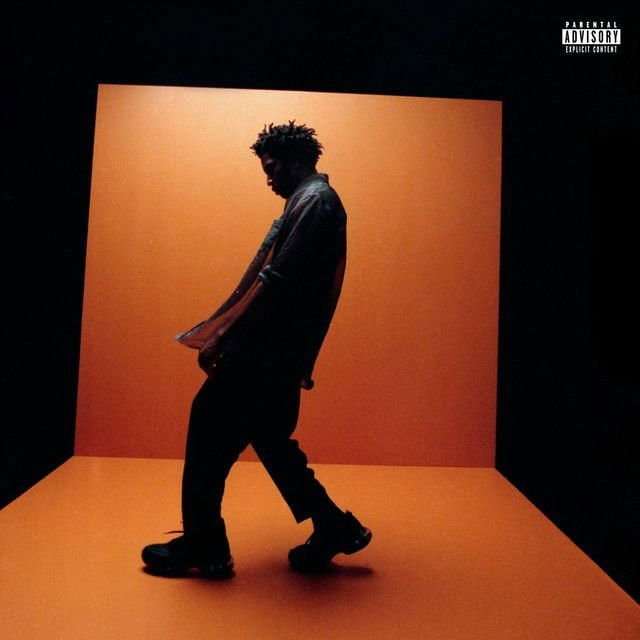
Compromise by Gallant, Sabrina Claudio
When Pride Gives Way to Need
The meaning of Compromise Gallant, Sabrina Claudio centers on a hard truth: sometimes people stop fighting not because everything is fixed, but because being apart feels worse. The song lives in that uneasy space between breakup and reunion. They present two people who are wounded, defensive, and still deeply drawn to each other.
"Compromise" - Gallant ft. Sabrina Claudio
I'm all alone, I'm so alone
You all alone, we all alone
Loading lyrics...
Unable to load lyrics
We're unable to display the lyrics at this time. Please try again later.
Rather than sounding triumphant, the track feels tired and vulnerable. Its main idea is simple: loneliness can make compromise feel necessary. When the singers circle back to I'll compromise with you
, they are not describing a healthy relationship blueprint in exact terms. They are expressing a need to reconnect, even if the terms are messy.

Watch the official Compromise
music video
A Duet Built on Emotional Stalemate
Gallant released “Compromise” with Sabrina Claudio in 2019, and the song is associated with his album Sweet Insomnia. Claudio is also listed in discographies as the featured artist on the track. Factually, Claudio is an American singer-songwriter from South Florida whose style often blends contemporary and alternative R&B, making her a natural fit for Gallant’s emotionally rich sound.
Their pairing matters to the song’s meaning. Gallant often sings with a dramatic, almost pleading intensity, while Claudio brings a softer and more intimate tone. Together, they make the push-pull of the lyrics feel believable. One voice sounds urgent; the other sounds like a quiet answer from the other side of the room.
The Song’s Core Story
From separation to surrender
The opening paints a picture of shared isolation. The repeated idea of being all alone
does more than set a mood. It tells listeners that both people are suffering, even if they are not suffering in the same way.
That matters because the song does not frame one person as fully right and the other as fully wrong. Instead, it suggests mutual damage. They see each other, they need each other, and they do not know what to do next.
You see me here, I see you thereWe don't know what to do
This is the article’s clearest lyric snapshot of the relationship: they are emotionally visible to each other, but still stuck. The distance is not total absence. It is painful awareness.
The breakup may not have solved anything
Later, the lyrics ask what the point of the breakdown was. That question is important. It suggests the separation did not bring clarity or peace. Instead, it only exposed how strong the bond still is.
When the song mentions broken pieces, it points to damage that both people helped create. The emotional logic is: they fought, they fractured the relationship, and now they are left facing the ruins. In that context, compromise becomes less like a noble ideal and more like survival.
What the Chorus Really Means
The hook is repetitive on purpose. Every return to I'll compromise with you
sounds like a person trying to convince themselves as much as the other person. The phrase carries both romance and resignation.
Interpretation: the song treats compromise as an emotional concession. They may still feel hurt, but they are willing to bend because the alternative is emptiness. That is why the hook feels needy rather than balanced.
The background plea for somebody to love them sharpens that idea. It suggests that reconciliation is tied to fear of isolation. In other words, they are not only chasing the partner; they are running from loneliness.
Conflict, Ego, and the Need for a Truce
One of the strongest sections describes a relationship where honesty quickly turns into defense. The line about analyzing a partner and getting pushback shows how communication itself has become part of the problem. Even trying to explain feelings leads to more conflict.
The song also uses vivid pop-culture language to show weakness beneath the bravado. The phrase got no kryptonite
means this person acts strong until the other lover appears. That image is simple but effective: love becomes the one thing that can break their guard.
Another key phrase is you don't want a truce
. That tells listeners the struggle is not over love alone. It is also about pride. Somebody is resisting peace, maybe because admitting care would mean admitting hurt.
How the Sound Carries the Meaning
Production is a big part of why the song works. It sits in a sleek R&B space, with a restrained beat, airy textures, and room for the vocals to ache. Nothing sounds rushed. That slow, floating feel mirrors the emotional stalemate in the lyrics.
Gallant’s delivery often stretches words until they sound strained, which adds desperation. Claudio’s voice, by contrast, glides. That contrast creates a conversation without needing a literal back-and-forth verse structure. The production lets longing hang in the air.
Interpretation: the music suggests late-night thinking, when defenses are lower and regret feels louder. The softness of the arrangement makes the repeated promise to compromise sound intimate, but also fragile.
Two Strong Readings of the Song
Reading one: a reunion song
The clearest interpretation is that this is about two exes moving toward each other again. The references to breaking down, wanting a truce, and imagining spending the night together all support that reading.
Reading two: a song about emotional dependence
A second reading is darker. The compromise on offer may not be fully healthy; it may come from fear of being alone. The recurring loneliness and need for love suggest that the relationship could be driven as much by emotional hunger as by trust.
Both readings can be true at once. That overlap is what gives the song its tension.
Why “Compromise” Still Connects
The song resonates because it does not pretend reconciliation is clean. It understands that people often come back together while still confused, bruised, and defensive. That emotional realism is the heart of the meaning of Compromise Gallant, Sabrina Claudio.
They capture a familiar modern-romance feeling: wanting peace more than victory. The song is sensual and sad at the same time, which is why it lingers.
Disclaimer: This interpretation is based on the released lyrics, performance, and available artist context. As with any song, meaning can remain open to listener interpretation.








