Destri by Gazzelle
The meaning of Destri Gazzelle begins with a breakup, but the song goes further than simple heartbreak. It captures the strange phase after someone leaves: the shock, the petty details the mind keeps replaying, and the painful truth that memory is stronger than any fix. Gazzelle turns that feeling into a catchy, wounded indie-pop song that sounds bright while staring at emotional wreckage.
"Destri" - Gazzelle
Lasciando indietro una nuvoletta
Almeno meritavo una bugia, chessò
Loading lyrics...
Unable to load lyrics
We're unable to display the lyrics at this time. Please try again later.
A Breakup Song Built on Shock
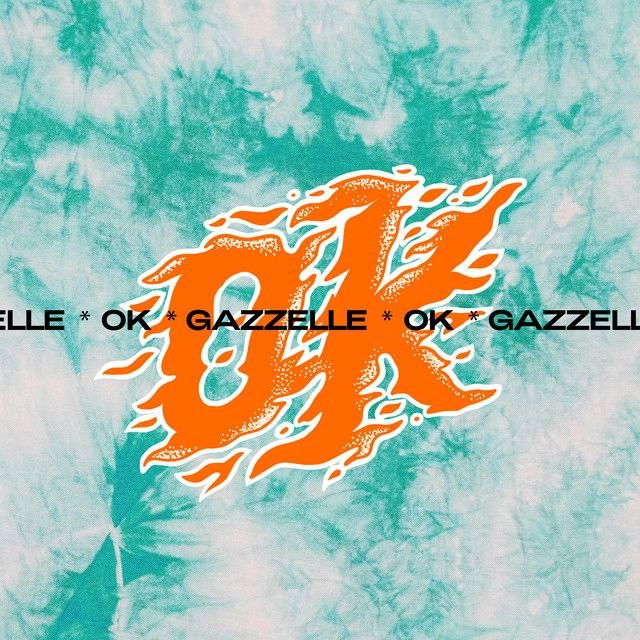
Factually, “Destri” was released on September 25, 2020, as a single ahead of Gazzelle’s third studio album OK (2021). It is commonly listed as indie pop and indie rock, and it became one of his biggest songs, reaching No. 2 in Italy and later earning 6× Platinum certification there. It was written by Flavio Bruno Pardini and Federico Nardelli, with production credited to Federico Nardelli and Giordano Colombo. These release and credit details are widely documented in major reference sources.
In the lyrics, the relationship does not end with a dramatic speech. It ends abruptly. The opening image says the other person suddenly flew away, leaving only a little cloud behind. That image makes the breakup feel childish, magical, and cruel at the same time.
The narrator seems less angry than stunned. They say they at least deserved a lie, or even one last cigarette. In plain terms, they are not asking for justice. They are asking for some kind of ending that makes sense.

Watch the official Destri
music video
Why the Chorus Hurts So Much
The chorus is the emotional center of the song. It repeats non è colpa mia
and then balances it with non è colpa tua
. Paraphrased, the singer is saying this breakup is not fully one person’s fault or the other’s.
That matters because it avoids the usual breakup script. There is no villain here. Instead, there is distance, fading light, and failed effort. When the song mentions luce, luce, luce
, it suggests that warmth and life are still physically present, but emotionally useless. The house still exists; the feeling inside it does not.
Then comes the title image: destri, destri, destri
. In context, the word suggests right-handed punches, like blows thrown at a wall. Interpretation: these “punches” symbolize frustration and the desperate urge to force a return to the past. But nothing works. No outburst, no gesture, no denial can take them back to quei momenti lì
—those moments when things felt whole.
Memory Arrives in Fragments, Not in Order
One of the smartest things in the song is how it remembers love through random objects and scenes. Instead of giving a clean narrative, Gazzelle piles up details: a toothbrush, a small manual car, Christmas lights, his mother’s glasses, split cigarettes, 4 a.m., zombie faces.
This is how memory usually works after a breakup. People do not remember “the relationship.” They remember little things that suddenly carry huge weight. A shared habit, a cheap car ride, a strange phrase, a late-night routine—these become emotional evidence.
That is why one of the song’s best lines compares the couple to due fiori cresciuti male
. Paraphrased, they are two flowers that grew wrong by the roadside, in the shadow of a hospital. It is a rough image of love shaped by damaged surroundings. Their bond may have been real, but it was also fragile from the start.
The Sea, the City, and Everyday Ruins
The song keeps moving between beauty and decay. The ex reminds the narrator of the sea, which gives the relationship openness, wonder, and movement. But that beauty is constantly mixed with urban grime: highways, cigarettes, mosquitoes, sleeplessness, and small domestic leftovers.
Interpretation: this clash is central to the meaning of Destri Gazzelle. Love is remembered as both glamorous and exhausted. The couple felt special to each other, yet they lived in ordinary mess. That tension keeps the song believable. It does not romanticize heartbreak into pure poetry; it keeps dirt on the image.
“E non è colpa mia
Se tutta questa luce…
E non è colpa tua
Se tutti questi destri…”
Even in this brief section, the key idea is clear: blame changes nothing, and force changes nothing. The past stays unreachable.
How the Sound Carries the Meaning
Musically, the song’s sound helps explain its popularity. Reports about its creation note that it began as a jam between Gazzelle on piano and Federico Nardelli on guitar, and Gazzelle connected it to an early-2000s atmosphere. That makes sense when hearing the track: it has a polished, melodic, radio-ready shape, but the emotion inside it feels bruised.
The arrangement is spacious and direct. The repeated chorus works almost like a chant, which mirrors obsessive thinking after a breakup. The instrumental glow makes the sadness more effective, not less. Instead of sounding crushed, the song sounds alive enough to remember what was lost.
Some critics praised those arrangements as vivid and powerful, while others felt the lyrics stayed inside Gazzelle’s comfort zone. Both views can be true. The writing uses familiar breakup materials, but the way it compresses them into sharp, memorable images gives the song its staying power.
Why “Destri” Connected So Strongly
Part of the song’s impact comes from its balance. It is accessible but not empty. It is emotional without becoming overly dramatic. It also turns a very local, Italian indie style into a feeling that travels well: the universal pain of wanting to go back to a version of life that no longer exists.
For U.S. listeners discovering Gazzelle, that is the easiest way into the song. They do not need every cultural reference to understand the ache. They only need to recognize the emotional logic: after love ends, the mind keeps throwing punches at the wall of time.
Final Take on the Meaning
The meaning of Destri Gazzelle is not just that someone got left behind. It is that memory keeps trying to reopen a closed door. The song argues, gently but firmly, that neither blame nor intensity can revive a relationship once its inner light is gone.
That is why “Destri” lasts. It turns breakup pain into a scene full of objects, light, noise, and failed motion—and in doing so, it feels painfully true.
Disclaimer: This interpretation mixes documented facts about the song with critical reading of its lyrics and sound. As with any art, listeners may hear different meanings in it.








