Why 'In Too Deep' Still Hurts
The meaning of In Too Deep Genesis comes down to a hard truth: sometimes love remains, but trust, balance, and hope do not. Genesis turn that emotional split into a soft, aching ballad about trying to hold on while already knowing the relationship is slipping away.
"In Too Deep" - Genesis
It started me thinking
Wondering what I could make of my life
Loading lyrics...
Unable to load lyrics
We're unable to display the lyrics at this time. Please try again later.
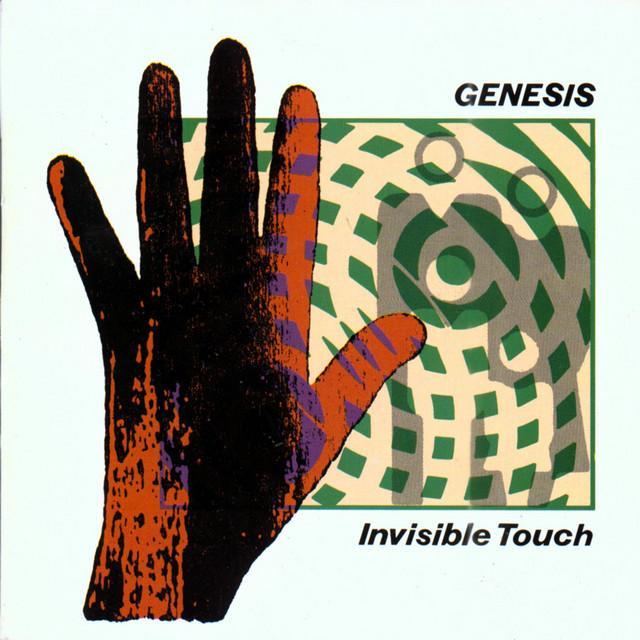
The song appeared on Invisible Touch in 1986 and was also written for the film Mona Lisa. Factually, it became one of the band’s biggest U.S. hits, reaching No. 3 on the Billboard Hot 100 and No. 1 on Adult Contemporary. Its music was credited to Genesis, with lyrics by Phil Collins, and it was produced by Genesis and Hugh Padgham.
A Love Song That Is Also a Farewell
On the surface, this is a romantic ballad. But its real tension comes from the gap between feeling and survival. The singer does not deny love. In fact, they say it directly with you know I love you
. What hurts is the second half of the thought: love is no longer enough to carry the relationship.
That is why the title phrase matters so much. When they admit I'm in too deep
, it does not sound triumphant. It sounds trapped. They have invested too much emotionally, and that depth now feels dangerous rather than comforting.
Interpretation: The song is about reaching the point where devotion becomes unsustainable. It is not a story of cold rejection. It is a story of someone who still cares, but can no longer live inside broken promises.
Watch the official In Too Deep
music video
The Story Inside the Verses
The verses build that pain carefully. At first, the singer looks inward. They describe searching, questioning, and failing to find answers. That self-examination gives the song a reflective tone rather than an angry one.
Soon, memory takes over. The singer recalls past promises and emotional neglect. A phrase like no one listening
suggests that even when they tried to speak openly, they felt unheard. The relationship did not collapse from one fight; it seems to have worn down over time.
Then the song shifts from private thought to direct address. The repeated listen, listen to me
feels urgent because it may come too late. They want to be understood now, but the relationship may already be ending.
Three emotional beats drive the song
- They reflect on confusion and loneliness.
- They remember promises that now feel broken.
- They finally set a boundary, even while admitting love.
That structure makes the chorus feel earned. It is not just a catchy hook. It is the emotional verdict.
What the Chorus Really Means
The chorus is one of Genesis’ most effective because it holds two opposite ideas at once. The singer says they love and need the other person, yet also says they can't take this
. That contradiction is the song.
Rather than choosing simple heartbreak or simple devotion, Genesis keep both emotions alive together. That is why the chorus feels so human. People often leave relationships not because love disappeared, but because pain became stronger than hope.
Interpretation: The phrase playing for keeps
suggests they want something serious and lasting. In that light, the breakup is not caused by fear of commitment. It may be caused by the opposite: they wanted true commitment, and what they got instead was instability.
Sound First, Then Meaning
Part of what makes the meaning of In Too Deep Genesis resonate is how gentle the record sounds. The arrangement is polished and restrained, with keyboards from Tony Banks, acoustic and electric guitar work from Mike Rutherford, and Phil Collins handling vocals, drums, and LinnDrum.
Nothing in the production pushes too hard. The tempo is calm, the textures are smooth, and the vocal is intimate. That softness matters. A louder rock arrangement might have turned the song into accusation. Instead, Genesis make it sound like a confession.
Collins’ singing is especially important. Contemporary reviews praised his impassioned vocal, and that feels right. He does not oversing the pain. He lets the strain sit inside the melody, which makes the sadness sound believable rather than theatrical.
Artist Context Makes the Song Clearer
Genesis were deep into their pop era by 1986, but this song shows why that period worked. They could write radio-friendly music without flattening emotion. Invisible Touch had brighter, more energetic singles, yet “In Too Deep” gave the album a bruised emotional center.
Its connection to Mona Lisa also helps explain its cinematic shape. The song moves like an interior monologue from a film scene: memories, regret, direct address, then a painful realization. Later, it even found new cultural life through American Psycho, where Patrick Bateman absurdly calls it the decade’s most moving pop song. That scene is ironic, but it also points to something real: the song’s emotional clarity is hard to miss.
One More Reading Worth Considering
There is another way to hear the song. Instead of a breakup statement, it can sound like the last plea before one. The singer may still hope to be heard. When they say listen to me
, they are not only closing the door; they may be asking for one final chance at honesty.
That ambiguity gives the song longevity. It captures the exact moment when a relationship is neither fully alive nor fully over.
Why It Still Connects
The song lasts because it names a feeling many people know but struggle to say clearly: loving someone while admitting the relationship cannot keep going. Genesis do not make that moment dramatic for its own sake. They make it recognizable.
For many listeners, that is the real meaning of In Too Deep Genesis: love without security, memory without resolution, and the painful courage to say that feeling deeply does not always mean staying.
Disclaimer: This interpretation is based on the lyrics, recording context, and documented release history. As with most songs, individual listeners may hear it differently.







