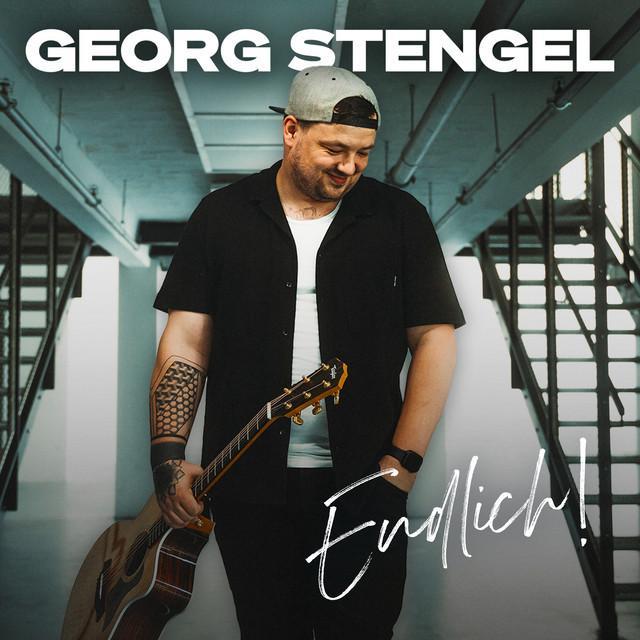
Why ‘Bitte komm nach Haus’ Hurts So Much
The meaning of Bitte komm nach Haus Georg Stengel centers on a simple but painful idea: someone is gone, and the person left behind cannot fully accept the distance. Instead of acting tough, the song leans into need, regret, and hope.
"Bitte komm nach Haus" - Georg Stengel
Doch für dich würd' ich's immer bleiben
Du fehlst mir, du fehlst hier
Loading lyrics...
Unable to load lyrics
We're unable to display the lyrics at this time. Please try again later.
Georg Stengel, who is credited here as a writer alongside Philipp Dittberner and Philipp Klemz, builds the track around a direct plea rather than a complicated story. That is why the song lands so quickly. It sounds like a late-night message turned into a pop ballad.
The Song’s Core Message Is a Plea for Repair
At its heart, the song is about wanting a second chance. The narrator misses this person in daily life, in memory, and in the empty spaces they left behind. When the lyric points to du fehlst mir
, the idea is not just sadness. It shows how absence has become constant.
The most important emotional turn comes when the singer admits they are flawed. In paraphrase, they know they may not be enough in every way, but they still ask to try again. That makes the chorus feel less possessive and more vulnerable.
One brief section captures that tension:
Ich darf dich nicht nochmal verlieren
Lass mich dein Herz doch reparieren
These lines frame the relationship as damaged, not dead. The word "repair" matters because it suggests responsibility, remorse, and effort. The narrator is not only saying "come back." They are also saying they want to fix what was broken.
Who Is Speaking in the Lyrics?
The voice is deeply personal. Even though this article uses third person, the song itself is sung from an intimate first-person view to a specific "you." That direct address makes the listener feel like they are hearing a private confession.
The narrator seems caught between acceptance and denial. Friends tell them the pain will pass, but they cannot believe that. When the lyric references the idea that the other person will für immer bleibst
, it suggests memory has outlasted the actual relationship.
A Love Song With No Protective Mask
Many breakup songs hide behind anger or pride. This one does the opposite. It offers open longing, and even a bit of helplessness, in the repeated Bitte komm nach Haus
.
Interpretation: "Home" likely means more than a physical place. It can also mean emotional belonging, closeness, and the feeling that life made sense when they were together.
How the Verses Build the Emotional Story
The verses move in a clear sequence:
- They describe loneliness and how deeply the other person is missed.
- They turn to photos and memories, showing how the past keeps reopening the wound.
- They admit regret about timing and mistakes.
- They return to one central wish: reunion.
That structure gives the song its pull. Each verse adds evidence that the separation is still active in the narrator’s mind. A small phrase like durch meine Fotos geh'
points to a very modern kind of heartbreak: scrolling through saved moments and feeling them all over again.
Later, the song grows slightly more mature. Instead of only asking for the person back, it also hopes they are happy. That softens the message. It shows love mixed with sadness, not only desperation.
The Chorus Turns Longing Into a Hook
The chorus is where the song becomes universal. Almost anyone who has wanted one more chance can understand its emotional logic. The narrator admits imperfection, asks to mend the other person’s heart, and repeats the title phrase until it becomes both catchy and aching.
This repetition matters. Pop songwriting often uses repeated hooks to mirror obsessive thought, and that is exactly what happens here. The same request comes back because the narrator has no better answer.
Interpretation: The chorus is not really advancing the plot. It is trapping the listener inside the feeling, which is why it sounds sincere rather than dramatic.
Sound, Style, and Why the Emotion Feels Immediate
Without overcomplicating its language, the song likely works through a clean pop arrangement that leaves room for the vocal. That style fits Georg Stengel’s emotional delivery, where clarity matters more than metaphor-heavy writing.
The writing team of Georg Stengel, Philipp Dittberner, and Philipp Klemz points to a polished German pop approach: strong melodic hook, conversational wording, and a chorus built for singalong impact. Even without dense imagery, the production can support the message through warm chords, steady rhythm, and a vocal line that sounds close to the listener.
That closeness is important. A song like this should feel less like performance and more like confession. When the arrangement gives the repeated plea room to breathe, the listener hears the vulnerability more clearly.
A Few Strong Motifs Hold Everything Together
Three motifs carry most of the meaning:
- Home: a symbol of reunion and emotional safety
- Photos: proof that memory can keep love alive
- Repair: love as something broken, but maybe fixable
Together, these motifs keep the song grounded. It does not need abstract poetry because its emotional objects are familiar and easy to picture.
Final Take on the Meaning
The meaning of Bitte komm nach Haus Georg Stengel is the pain of losing closeness and the stubborn hope that love can still be restored. It is about missing someone, owning personal flaws, and asking for one more chance with almost no emotional defense.
That honesty is the song’s real strength. It speaks in simple words, but the feeling underneath is heavy.
Disclaimer: This interpretation is based on the lyrics provided and general songwriting analysis. As with any song, listeners may hear meanings that differ from the artist’s exact intent.







