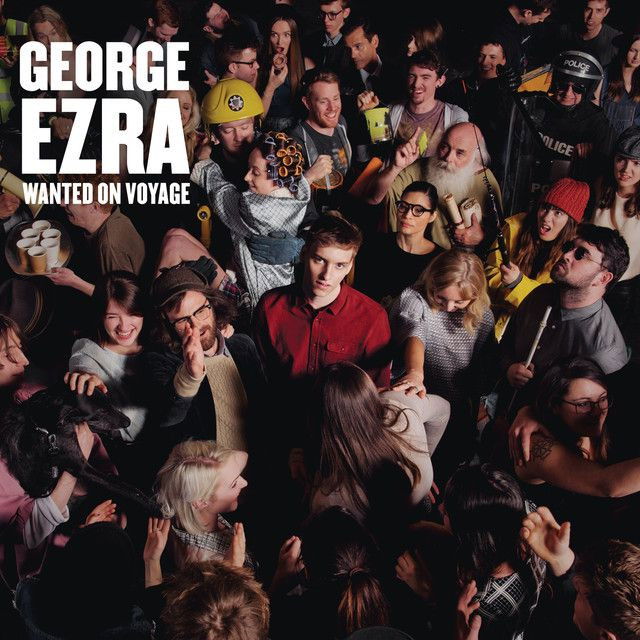
Spectacular Rival by George Ezra
A bruising groove, a cool baritone, and lyrics that square up to a shadow in the mirror—Spectacular Rival feels like a fight song turned inward. For readers searching the meaning of Spectacular Rival George Ezra, this track reads as a portrait of self-control under pressure, framed like a late-night scuffle that never quite breaks out.
"Spectacular Rival" - George Ezra
We're just window shopping
Won't you dance with me?
Loading lyrics...
Unable to load lyrics
We're unable to display the lyrics at this time. Please try again later.
A Showdown With the Self
The song stages conflict from the first image. A phrase like Violence in the air
sets a charged mood, while We're just window shopping
cools the scene, hinting that desire is present but kept at a distance. That push-pull defines the whole track.
Interpretation: the “spectacular rival” is not an enemy on the street. It’s a version of the narrator who loves chaos, ego, and risk. They resist that pull while also needing it—it’s the spark that fuels performance, but also the voice that can wreck a life.

Watch the official Spectacular Rival
music video
Who’s Speaking, and Who’s the Rival?
The speaker uses first person to confess and second person to confront. They ask the rival to hold me steady
, which sounds like a plea to the very force causing trouble. When they say not that kind of man in the day
, it draws a line between a daytime self (measured, polite) and a nighttime self (reckless, theatrical).
Interpretation: this could be the performer’s alter ego—the part that takes the stage and courts danger. It could also be a composite of critics, lovers, or substances that promise relief but demand a price.
Verse Scenes: Violence, Vanity, and Control
The verses pack fight-club imagery into a flirtation. Calling someone a Beautiful punchbag
blends romance and combat, as if love is a sparring match. The candy-line swagger and “medicine” talk hint at numbing or overstimulation—temptations that appear sweet but sting later.
Yet the narrator keeps reins tight. “Window shopping” means looking without buying; the threat to “knock you down” sounds more like theater than reality. The character seems aware of their own dramatics and is testing the edge, not crossing it.
What the Chorus Really Says
The chorus flips the tension into a plea and a verdict. It places hope and hurt side by side:
Either way, heaven's got a place for me Your majesty, why you got it in for me?
“Heaven” carries faith in a moral core—no matter what, the self is redeemable. Addressing your majesty
frames the rival as royalty—an authority with power to judge or punish. Interpretation: that figure could be an inner tyrant, public opinion, or the music industry’s gatekeepers. The refrain keeps asking for fairness while asserting worth.
Symbols and Motifs, Decoded
- Royalty: The repeated
your majesty
crowns the rival. It suggests an unequal relationship with judgment, fame, or ego. - Boxing/Grappling: “Punchbag,” “knock you down,” and other hits turn love and ambition into a bout. They show how desire can bruise.
- Shopping:
We're just window shopping
links restraint to consumer choice—look, don’t buy. It’s temptation management. - Day vs. Night:
not that kind of man in the day
draws a clean split in identity. Night invites risk; day cleans up. - Afterlife: The heaven line adds a moral safety net, softening the violence with spiritual self-belief.
How the Sound Carries the Fight
Spectacular Rival moves with a stomping, midtempo pulse and percussive guitar, a setting Ezra often uses to make heavy themes feel physical. His baritone sits close to the mic, warm but firm, like a corner coach talking between rounds. Backing vocals stack in the chorus, turning a one-on-one conflict into a crowd of voices—inner judges, fans, critics—amplifying the drama.
Factual context: the song appears on Ezra’s 2014 debut, Wanted on Voyage, produced by Cam Blackwood with co-writing by Joel Pott. That album’s palette—acoustic grit, handclaps, and blues-pop edges—keeps the lyric’s conflict sounding earthy, not nihilistic. The music suggests control, even when the words flirt with chaos.
Plausible Readings (and Why They Work)
- Internal Rival: The rival is impulsive ego. Evidence: the day/night split and the plea to be held steady by the threat itself.
- Addiction/Party Culture: “Medicine” and candy metaphors hint at substances. The speaker negotiates with cravings like they’re a person in charge.
- Industry Pressure: Addressing a crowned figure (
your majesty
) and asking why they’re targeted implies gatekeeping and public judgment.
Each reading fits because the language is archetypal. The rival is a mask anyone can wear: fear, fame, or the fun that turns to fallout.
Bottom Line Takeaway
The meaning of Spectacular Rival George Ezra lands here: it’s a catchy portrait of self-discipline in a world that rewards spectacle. By treating conflict like a dance—and a fistfight—it shows how performance and temptation can be the same partner.
Disclaimer: Song meanings are subjective. This interpretation blends lyrical evidence with publicly available context and may differ from the artist’s intent.







