Why George Harrison's Prayer Still Resonates
The meaning of Give Me Love (Give Me Peace on Earth) George Harrison comes through with unusual clarity: it is a prayer set to pop-rock. Instead of telling a detailed story, the song offers a series of direct requests for comfort, wisdom, and peace.
"Give Me Love (Give Me Peace on Earth)" - George Harrison
Give me love
Give me peace on earth
Loading lyrics...
Unable to load lyrics
We're unable to display the lyrics at this time. Please try again later.
That simplicity is the point. George Harrison turns spiritual longing into plain language, making the song feel personal and universal at the same time.
A Simple Prayer With a Big Reach
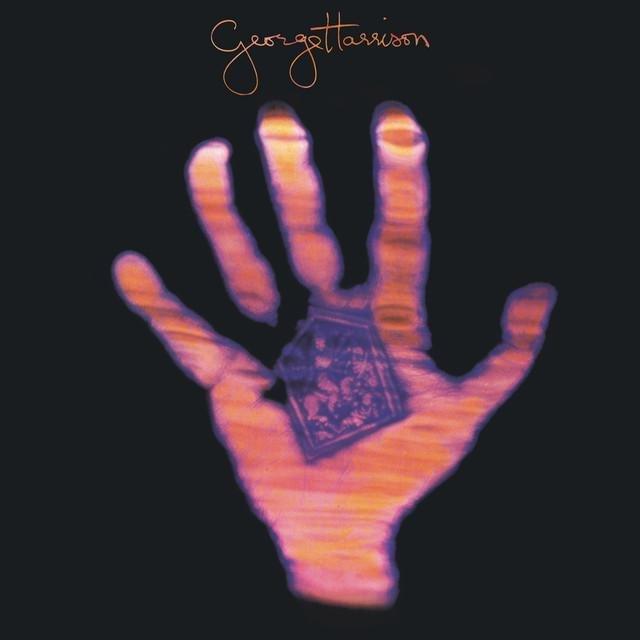
Released in 1973 as the lead single from Living in the Material World, the track followed Harrison's huge early solo success and showed how deeply spirituality shaped his writing. It was written by Harrison and issued on Apple Records, and it reached No. 1 on the Billboard Hot 100 in the United States. Those basic facts are widely documented in standard discographies and chart histories.
What matters for the song's meaning is how little distance there is between the singer and the message. From the start, Harrison asks for peace on earth
, then moves quickly to requests for light, life, and hope. The lyrics are not abstract poetry hiding behind symbols. They sound like someone speaking plainly because plain speech is all they have left.

Watch the official Give Me Love (Give Me Peace on Earth)
music video
What the Song Is Really Asking For
At the center of the song is a plea for both inner and outer peace. Harrison is not only asking for calm inside himself. He also asks for a better world. That is why the title balances personal need with a global wish.
The repeated phrase give me love
can sound humble, but it is not passive. It suggests that love is a force that can heal fear, loneliness, and division. When they pair that request with help me cope
, the song becomes even more human. This is not a saint speaking from above everyday struggle. It is a person admitting that life feels heavy.
A Cry for Relief, Not Perfection
One key line points to burden and endurance. Harrison refers to a heavy load
, which makes the prayer feel grounded in ordinary suffering. They are not asking for wealth, status, or control. They are asking for strength.
Interpretation: This is one reason the song lasts. It frames spirituality not as escape from life, but as a way to survive life with grace.
The Spiritual Language Behind the Lyrics
Harrison's spiritual interests were well known by the early 1970s. After years of engagement with Hindu philosophy, meditation, and devotional music, they often wrote songs that addressed God more directly than most mainstream rock artists did.
That context helps explain the brief invocation Om
and the appeal to My Lord
. These phrases link the song to both Eastern meditation and Western prayer language. Harrison does not treat those traditions as opposites. In this song, they sit side by side naturally.
What “Free From Birth” May Mean
One of the most striking lines asks to be kept free from birth
. In everyday English, that sounds unusual. In spiritual context, it likely points to release from the cycle of rebirth and suffering, an idea associated with Hindu thought.
Interpretation: Harrison may be asking for liberation in the deepest sense, not just relief from one hard day. They want closeness to the divine that frees the soul itself.
How the Music Softens the Message
A song like this could have felt solemn or severe. Instead, its arrangement makes the prayer sound warm and inviting. The tempo is relaxed, the melody is bright, and Harrison's vocal delivery is gentle rather than dramatic.
The production also matters. Acoustic guitar and a light rhythm section give the track an easy flow, while Harrison's slide guitar adds a singing, almost wordless response to the vocal lines. That sound became one of his signatures, and here it works like emotional shading. The guitar seems to lift the prayer upward.
Why the Repetition Matters
The song repeats its central requests again and again. On paper, that can seem simple. In practice, it creates a meditative effect.
Repetition turns the lyric into devotion. Each return to the chorus sounds less like a pop hook and more like a mantra. The listener is not pushed through plot points. They are invited to sit with the same longing until it deepens.
Give me hope
Trying to touch and reach you
In that brief movement, the song links emotional survival with spiritual yearning. Hope is not presented as positive thinking. It is tied to the effort to reach something sacred with heart and soul
.
Two Strong Readings of the Song
There are at least two clear ways to hear the song, and both fit.
- Personal prayer: Harrison sounds like someone asking God for help in a difficult world.
- Universal peace song: The title phrase opens the song beyond one person's struggle and toward a shared human wish.
These readings do not compete. They support each other. The song suggests that peace in the world begins with a transformed inner life, and that inner peace feels incomplete if the world stays broken.
Why It Still Connects Today
Part of the meaning of Give Me Love (Give Me Peace on Earth) George Harrison is its refusal to overcomplicate spiritual need. Harrison says difficult things in direct language. That makes the song accessible whether listeners share his beliefs or not.
They also avoid preaching. Even with explicit religious language, the tone is tender and searching. Harrison does not claim to have all the answers. They ask for help, and that humility is what gives the song its staying power.
Final Thought
"Give Me Love (Give Me Peace on Earth)" remains powerful because it joins pop melody, spiritual hunger, and human vulnerability in one graceful package. It is a prayer for relief, a meditation on burden, and a small anthem for peace.
Disclaimer: This interpretation is based on the lyrics, musical context, and George Harrison's public artistic themes. Like any song, its meaning can remain open to individual listeners.








