Why George Jones' Corvette Song Still Works
The meaning of The One I Loved Back Then (The Corvette Song) George Jones comes down to a smart country joke with a deeper pull underneath it. On the surface, it is a quick story about a man, a convenience store stop, and a flashy car. But the real point is how the song links cars, memory, attraction, and the way people talk around desire instead of naming it directly.
"The One I Loved Back Then (The Corvette Song)" - George Jones
The old man took my money as he stared at my Corvette
He said, "I had one just like her, son, a 1963
Loading lyrics...
Unable to load lyrics
We're unable to display the lyrics at this time. Please try again later.
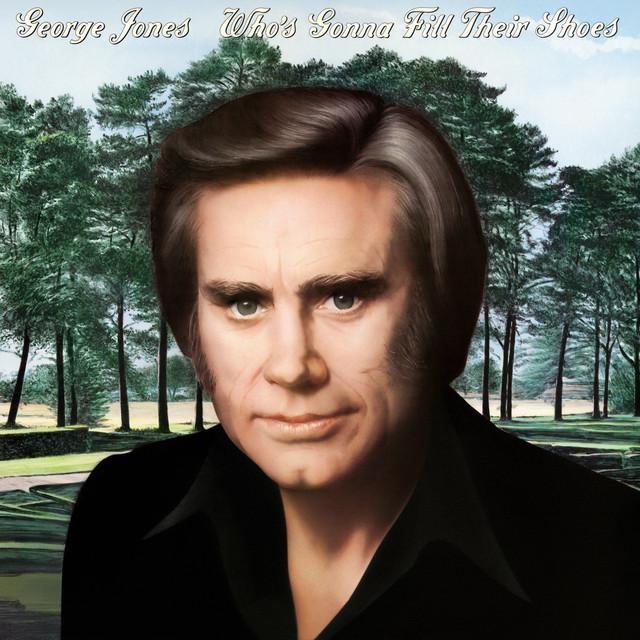
Released in 1985 as a single from Who's Gonna Fill Their Shoes, the song was written by Gary Gentry and produced by Billy Sherrill and George Jones, according to this Wikipedia entry. It reached No. 3 on Billboard’s Hot Country Songs chart, which shows how well its humor connected with country audiences.
A Story Built on a Country Punchline
The plot is simple and sharp. The narrator stops for beer and cigarettes. An older clerk stares at the Corvette and starts talking like he once had one too. He remembers a 1963 model and says the bank took it away.
That setup invites the listener to think the song is about lost machinery, male pride, and hard times. Then the narrator offers the keys and tells the man to take it for a spin. That is when the song flips.
The clerk says it is not the car he wants. He means the woman in the passenger seat.
That twist explains the whole song. The descriptions that sounded like car talk were also flirtation. The comedy works because both meanings fit for a while.

Watch the official The One I Loved Back Then (The Corvette Song)
music video
The Double Meaning Is the Whole Engine
The chorus uses phrases that can describe a sports car and a woman at the same time. That is why lines like hotter than a two-dollar pistol
and the fastest thing around
matter so much. They are not only colorful sayings. They keep the listener balanced between two possible meanings.
The same goes for long and lean
and every young man's dream
. Before the reveal, those details seem like car-brag language. After the reveal, they become part of an old-fashioned, teasing compliment.
Interpretation: The song is not asking the listener to choose one meaning over the other. It wants both at once. That overlap says something about the culture around the song: in country music, cars often stand for youth, freedom, status, and sexual energy.
What the Older Man Adds
Without the store clerk, this would just be a novelty song. But the older man gives it shape. He is funny, but he is also looking backward.
When he says the Corvette reminds him of the one I loved back then
, the phrase carries two feelings at once. It is a joke about mistaken identity, but it also sounds like real memory. He once loved something—or someone—who made him feel young, proud, and alive.
She reminds me of the one
I loved back then
That short refrain is where the humor touches nostalgia. The song laughs, but it also admits that age changes what people can hold onto. Cars get repossessed. Relationships end. Memory stays shiny longer than real life does.
George Jones Sings It Straight
A big reason the song works is George Jones does not oversell the joke. They deliver the story with a calm, steady confidence that lets the punchline arrive naturally. Jones was famous for heartbreak songs and deep emotional control, and that skill helps here too. Even in a lighter number, they know how to hold a line just long enough to make it land.
The production also matters. Billy Sherrill’s style often balanced polished Nashville sound with clear storytelling, and here the arrangement stays tight and brisk. The track is only about 2:30 long, so there is no wasted motion. The band gives the song a road-ready feel: bright rhythm, clean country phrasing, and enough lift to match the image of a fast car without crowding the vocal.
Humor, Gender, and Its Time
The song comes from a tradition where cars and women are compared in bold, sometimes rowdy language. That was a familiar device in both country and rock long before 1985. Modern listeners may hear parts of that comparison as dated, and that is fair.
Still, the song’s appeal is less about cruelty than about performance. It stages a wink between generations: the younger man assumes one thing, the older man means another, and both are speaking through swagger. The result is less a serious statement about romance than a comic sketch about male talk, memory, and pride.
Interpretation: For some listeners, the song is really about misreading desire. The narrator sees a car. The older man sees a past version of himself.
Why the Song Endures
The meaning of The One I Loved Back Then (The Corvette Song) George Jones lasts because the song does two jobs at once. It entertains with a clean setup and payoff, and it hints at something sadder beneath the grin. That balance helps explain why it remained a live favorite and why people still remember it.
In the end, the Corvette is both object and decoy. The real subject is longing—how people dress it up in stories about horsepower, style, and the things they used to chase.
Disclaimer: This interpretation separates documented facts from informed reading. Meanings can vary by listener, and not every audience member will hear the same emotional emphasis.









