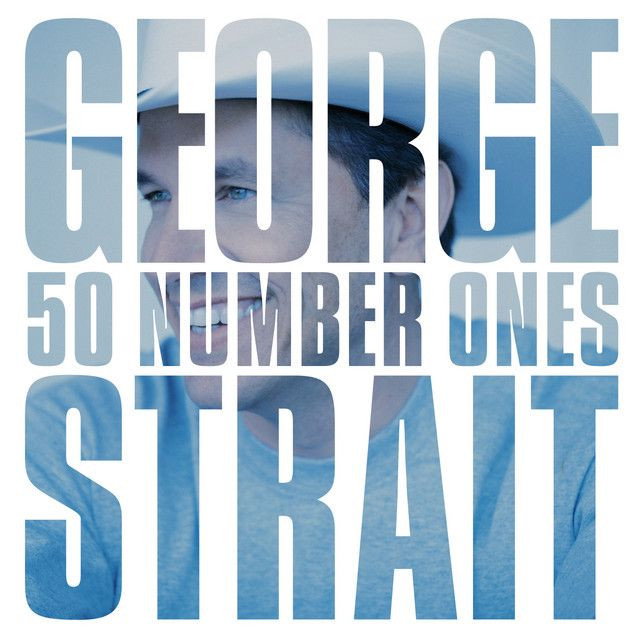
Check Yes or No by George Strait
Love stories don’t have to be complicated. The meaning of Check Yes or No George Strait centers on a childhood crush that turns into a lifelong promise. They trace a straight line from a schoolyard moment to a steady marriage, showing how clear choices can outlast time.
"Check Yes Or No" - George Strait
I used to sit beside Emmylou Hayes
A pink dress, a matching bow, and her ponytail
Loading lyrics...
Unable to load lyrics
We're unable to display the lyrics at this time. Please try again later.
A Playground Spark That Never Fades
The song opens in innocence: the narrator remembers third grade
, a kid’s world of desks and buses. A small detail like a pink dress
paints the scene without fuss. He recalls the thrill of a first kiss and, more importantly, a note that asks for clarity.
Interpretation: The school setting frames love as simple, fearless, and honest. By starting with kids, the song suggests that real commitment begins with plain words and mutual consent.
Watch the official Check Yes Or No
music video
Who’s Telling This Story—and Why It Works
The narrator speaks in first person, but he’s really speaking to listeners. He’s not boasting; he’s grateful. When he mentions passing me a note
, they hear the seed of a life. It’s the clearest kind of invitation: do we do this together or not?
Interpretation: The voice feels neighborly, like a friend retelling how they met their partner. That warmth is Strait’s hallmark—confident but never showy—which makes the story believable.
From School Bus to Silver Anniversary: The Timeline
- Childhood: They meet as classmates. A note asks the big question in small words.
- Young adults: The crush becomes courtship. The same spirit of play—chasing around—turns into intimacy and trust.
- Long-term love: He says
she’s my wife
. They’re still playful, still choosing one another. - Milestone night: A
white limousine
signals celebration and longevity rather than flash.
Interpretation: The structure is a time-lapse. Each verse advances the clock while the core choice stays the same.
Why the Hook Sticks: A Clear Yes
Before the refrain, the verses show warmth and humor. The chorus then sharpens everything into a single decision. They put the emotional thesis in a checklist:
Do you love me, do you want to be my friend? And if you do Well then don't be afraid to take me by the hand
Interpretation: The hook turns romance into consent and courage. It treats love as an answer given freely, not a feeling that drifts in and out.
Symbols and Motifs That Do the Heavy Lifting
- The note: A portable contract. It’s proof of honest intent, repeated across life stages.
- The playground: Innocence and pursuit—courtship as a game without cruelty.
- The limousine: A mature echo of the school bus, turning daily transit into ceremony.
- The hallway chase: Domestic joy. Marriage as continued play, not a loss of spark.
Taken together, these images argue that love survives when people keep choosing each other in small, visible ways.
How the Sound Sells the Story
The production leans on neo-traditional country: acoustic strum, steady two-step shuffle, fiddle and steel guitar that glide between lines. Strait’s baritone is unhurried and slightly smiling, which lets the story breathe. Nothing in the mix tries to outshine the lyric.
Interpretation: The easy tempo mirrors the song’s claim—lasting love isn’t rushed. The fiddle’s sweetness feels like memory, while the steel’s bends underline the tenderness of commitment.
Why It Resonated in Country Culture
Released in 1995 and produced by Tony Brown, the single became a signature George Strait moment. Part of its reach comes from its wedding-ready theme and singable hook. More deeply, it offers optimism without fantasy: the couple works at choosing yes again and again.
Interpretation: In an era that also loved breakup anthems, this song doubled down on devotion. It’s idealistic, but grounded in the tactile—notes, buses, hallways, hands.
Alternate Readings Worth Considering
- Memory as soft focus: The narrator may polish the past, turning awkward childhood moments into a tidy origin story. That haze is part of the charm.
- Consent as centerpiece: The recurring “check yes or no” frames love as mutual, ongoing permission. It’s not just cute—it’s an ethic.
The Takeaway
The meaning of Check Yes or No George Strait is that love is a series of simple, brave choices. A single note starts it, but the daily, joyful yes sustains it. That clarity—spoken plainly and lived fully—is why this story still lands.
Disclaimer: Song meanings are interpretive and may vary by listener; details above blend reported facts with critical analysis.









