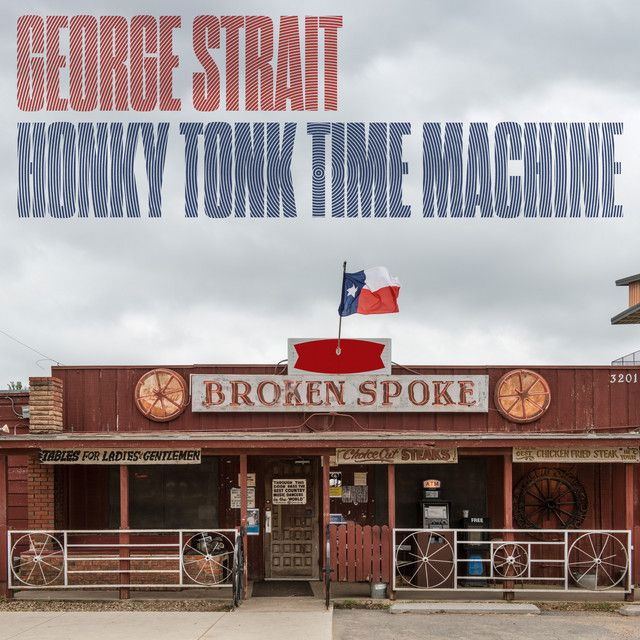
Why 'Every Little Honky Tonk Bar' Hits So Hard
The meaning of Every Little Honky Tonk Bar George Strait comes down to a simple but sharp idea: a honky-tonk is both an escape hatch and a trap. The song loves the energy of the room, but it also shows the cost that comes with it. In just a few vivid images, George Strait and his co-writers turn a familiar country setting into a place where people drink, dance, hide pain, and wake up paying for it.
"Every Little Honky Tonk Bar" - George Strait
Ice creates the water that's no longer runnin' under it
Stool holds the fool that pours the whiskey on his broken heart
Loading lyrics...
Unable to load lyrics
We're unable to display the lyrics at this time. Please try again later.
Released on Strait's album Honky Tonk Time Machine, the track fits the artist's long history of songs about bars, heartbreak, and hard-won wisdom. It was written by Bubba Strait, Dean Dillon, and George Strait, a lineup that matters. Dillon especially has helped shape Strait's plainspoken style for decades, where one strong image can carry a whole emotional story.
A Barroom Song With Two Truths
On the surface, this is a lively country song about a Friday night out. It gives listeners the usual signs of a packed honky-tonk: neon, whiskey, a jukebox, flirting, bad choices, and the rough Monday that follows.
But the deeper point is not just that bars are fun. The song argues that bars magnify whatever people bring inside. If they come in lonely, the room makes loneliness louder. If they come in restless, the crowd gives that restlessness a stage. When the lyric calls whiskey the gasoline
, it frames the whole night as something ready to ignite.
That is why the title phrase matters. Every little honky tonk bar
is not one special place. It is a type of American ritual space, especially in country music, where the same drama repeats in town after town.
Watch the official Every Little Honky Tonk Bar
music video
How the Verses Build the Meaning
The first verse works like a chain reaction. Each object leads to another result: liquor sparks trouble, ice melts, a barstool holds a heartbroken person, smoke hides emotion, and an old country song deepens the mood. The writing is clever because it makes the room feel mechanical, almost like a machine built to turn sadness into chaos.
One of the strongest details is the nod to Hank Williams through I'm So Lonesome
. That quick reference ties Strait's song to classic country's oldest theme: people trying to drink around a pain they cannot really solve. The bar is social, but the hurt inside it is private.
The Weekend High and the Monday Crash
The chorus shifts from observation to participation. Instead of only watching the crowd, the narrator joins it. They spell out L-I-V-N
and later D-R-A-G-N
, turning the song into a before-and-after snapshot.
That contrast is key to the meaning of Every Little Honky Tonk Bar George Strait. Friday brings release, movement, noise, and a feeling of being larger than life. Monday brings the body back down. The song is not moralizing, but it is honest about consequences.
Friday night, it's a given
Monday morning, it's a given
That brief pair sums up the cycle: the thrill is predictable, and so is the regret.
The Characters Inside the Room
The second verse widens the lens. Now the song shows the whole ecology of the bar: the waitress getting hit on, the bartender pouring drinks, the men posturing, and the fight waiting just outside. These are not deeply individualized characters. They are types, and that is the point.
Interpretation: the song presents the honky-tonk as a stage where people perform versions of themselves. Some act tougher than they are. Some act less lonely than they feel. Some try to dance away identity and worry for a few hours.
The line about feeling invincible until someone challenges that image shows how fragile barroom confidence can be. Alcohol does not create every problem here, but it strips away restraint. What begins as release can tip into aggression fast.
Why the Sound Matters as Much as the Words
Musically, the song supports this double meaning well. It has a bright, swinging country feel, with a strong backbeat and bar-friendly groove. The arrangement leans into familiar Strait territory: clean rhythm, traditional country instrumentation, and a vocal delivery that sounds relaxed rather than theatrical.
That choice matters. If the performance were too dark, the song would feel like a lecture. If it were too wild, it would miss the underlying sadness. Strait's steady voice sits right in the middle, which lets listeners hear both the fun and the warning.
The production on MCA Nashville also helps the song feel lived-in rather than flashy. It sounds like a real band in a real room, which matches the song's interest in ordinary rituals. This is not a glamorous nightlife anthem. It is a country song about a place people know too well.
George Strait's Larger Context
Strait has built much of their career on songs that respect honky-tonk tradition without romanticizing it too much. That history gives this track extra weight. They are not singing about bar life as a novelty. They are returning to one of country music's oldest symbols and showing why it still works.
In that context, the song feels less like a celebration than a portrait. It knows why people love these rooms. It also knows why they leave with sore heads, worse judgment, and the same problems they had before.
Final Take on the Song's Meaning
So what is the song about? The best answer is that it captures the full social life of a honky-tonk: comfort, illusion, connection, danger, and repetition. The bar gives people a place to belong for the night, even if that belonging is temporary.
Interpretation: the song's real sadness is that everyone knows the pattern already, and they still walk into it. That is why it rings true. It is lively on the surface, but underneath it understands loneliness, habit, and the way music and alcohol can blur pain without erasing it.
The meaning of Every Little Honky Tonk Bar George Strait is not that bars are good or bad. It is that they reveal people. In neon light, with steel guitar and whiskey in the air, they become more of who they already are.
Disclaimer: This interpretation is based on the song's lyrics, performance, and publicly available context. As with any song, listeners may hear different meanings.








