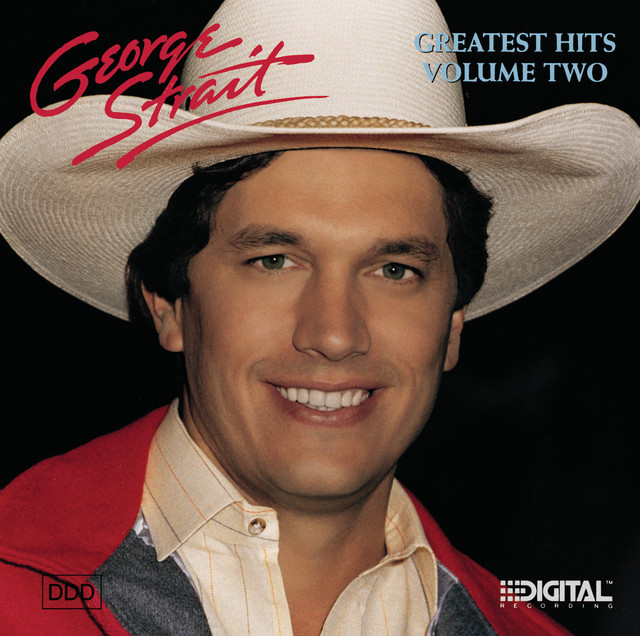
Why George Strait's Cowboy Has to Leave
The meaning of The Cowboy Rides Away George Strait comes down to one painful idea: sometimes love ends not with a fight, but with a quiet decision to go. George Strait’s 1985 hit turns a breakup into a western farewell, where the hero is not riding into adventure. They are riding out of a relationship that can no longer be saved.
"The Cowboy Rides Away" - George Strait
When she dealt the cards I bet my heart
Now I just found a game that I can't play
Loading lyrics...
Unable to load lyrics
We're unable to display the lyrics at this time. Please try again later.
Released as the second single from Does Fort Worth Ever Cross Your Mind on January 14, 1985, the song was written by Sonny Throckmorton and Casey Kelly and produced by Jimmy Bowen and George Strait. It reached No. 5 on Billboard’s Hot Country Singles chart and later became one of Strait’s signature closers in concert. Those facts help explain why the song feels bigger than a standard breakup ballad: it is built like a final scene.
A breakup told like a western ending
At its core, the song is about accepting defeat in love. The narrator knows the relationship was risky from the start, and the gambling language makes that clear. When they mention the stakes were high
and that they bet my heart
, the song frames romance as a game where real feelings are on the line.
That metaphor matters because it shows choice. This was not a casual fling. They took the risk willingly, and now they have to live with the loss.
Interpretation: The cowboy image adds pride and distance. Instead of begging or lashing out, the narrator exits with control. That makes the song sadder, not colder, because it suggests they still care deeply.
Watch the official The Cowboy Rides Away
music video
How the verses move from risk to regret
The song’s story unfolds in clear stages:
- The narrator admits they saw danger early.
- They realize this is a game they cannot win.
- They look back on missed chances.
- They accept the final goodbye.
The strongest emotional turn comes with the image of a heart sinking like a sunset. When the song says setting sun
, it ties the end of the relationship to the end of a day. That is simple, visual, and final.
It also leads into regret. The narrator is not only losing someone; they are mourning the things I wish I’d done
. That line shifts the song from heartbreak to self-reckoning. They are not blaming the other person alone. They are also judging their own failures.
The chorus gives the song its lasting power
The hook, this is where the cowboy rides away
, works because it sounds cinematic and personal at the same time. It is a line about leaving, but it also sounds like the closing frame of a movie.
That feeling is not accidental. In the third verse, the song leans into film language with a “final showdown” and “credits” rolling. It turns a private breakup into a staged ending, as if both people know the story has reached its last scene.
the last goodbye's the hardest one to say
this is where the cowboy rides away
Those lines land because they combine plain truth with myth. Anyone can relate to the difficulty of a last goodbye. The cowboy phrase then lifts that feeling into a larger American image of distance, pride, and lonely motion.
Why George Strait was the right voice for it
George Strait’s style is a big part of the song’s meaning. According to the song’s release details, it was recorded in 1984 and issued by MCA in early 1985. Strait was already becoming a major force in neotraditional country, a movement that favored classic country textures over pop-heavy gloss. That matters here because the song needs restraint.
They do not oversing it. Strait delivers the lines with calm sadness, which lets the regret speak for itself. The arrangement is equally measured: steady rhythm, clean steel and fiddle colors, and no dramatic production tricks. The music moves like someone keeping composure while their world quietly closes.
Interpretation: If the track were louder or more theatrical, the lyric could feel melodramatic. Instead, the controlled performance makes the narrator seem mature enough to know that some endings cannot be talked away.
A country myth, reinvented
One reason the song has lasted is that it uses cowboy symbolism without turning the character into a fantasy hero. As summarized in coverage of the song’s reception, Country Universe critic Kevin John Coyne said it “embraces the traditional cowboy mythos while simultaneously reinventing it.” That is a sharp way to describe what the lyric does.
The cowboy here is not winning a duel or conquering the frontier. They are losing a relationship. Yet the image still works because country music often uses western figures to express emotional values: toughness, solitude, duty, and silence under pressure.
So the song keeps the myth, but changes the battle. The showdown is romantic, not physical. The ride away is emotional, not geographic.
Why the song became part of Strait’s legacy
The song’s afterlife adds another layer to the meaning of The Cowboy Rides Away George Strait. It became George Strait’s concert closer and later gave its name to his final tour, which began in 2013. His last show on that tour, at AT&T Stadium in Arlington on June 7, 2014, drew a reported 104,000 fans.
That history does not change the lyric’s original subject, which is a failed relationship. But it does deepen the public meaning. Over time, listeners heard the song not only as a lover’s exit, but also as a graceful farewell from an artist who built a career on steadiness and understatement.
The simplest reading is still the best one
The best way to understand the song is also the most direct. It is about love ending, regret settling in, and someone leaving because staying would only stretch out the pain. The cowboy image gives that moment dignity, while the sunset and movie imagery make it feel final.
That is why the song still hits. It understands that some of the hardest endings are the quiet ones.
Disclaimer: This article offers interpretation based on the lyrics, recording context, and public reception. Song meaning can remain open to individual listeners.








