How Geto Boys Turned Fear Into a Classic
The meaning of Mind Playing Tricks on Me Geto Boys starts with a simple but powerful idea: street violence does not end when the action stops. It follows people home, keeps them awake, and changes how they see the world. That is why this 1991 single still hits so hard. It is not just a rap song about danger. It is a rap song about what danger does to the mind.
"Mind Playing Tricks on Me" - Geto Boys
Oh that shit is on?
Let me drop some shit like this here, real smooth
Loading lyrics...
Unable to load lyrics
We're unable to display the lyrics at this time. Please try again later.
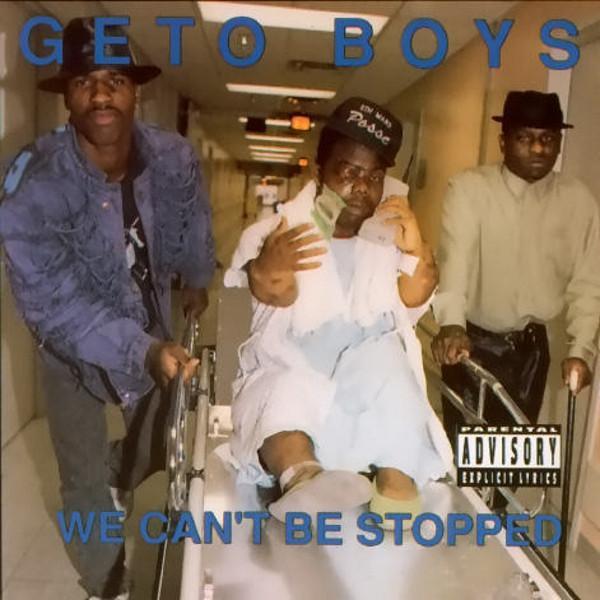
Released on We Can't Be Stopped in 1991, the track became the group's biggest crossover hit, reaching No. 23 on the Billboard Hot 100 and No. 1 on the rap chart, according to the song's documented chart history. It also remains one of the most praised songs in hip-hop history. Critics later pointed to it as proof that Southern rap could be as psychologically deep and artistically ambitious as anything from New York or Los Angeles.
A Rap Song About Trauma Before the Word Was Common
What makes the song special is how clearly it shows mental strain. The narrators are not calm, cool antiheroes. They are exhausted, suspicious, and emotionally cornered. Early on, the song places one speaker alone in a room, unable to rest, seeing threats everywhere. When they say four-cornered room
, the image feels boxed in and claustrophobic.
That tension keeps growing. The song describes sleeplessness, panic, imagined watchers, and physical symptoms of stress. In plain terms, the verses sound like people living in constant survival mode. Modern listeners often connect that to trauma or PTSD-like symptoms, and that reading makes sense given the song's focus on fear, hypervigilance, and intrusive thoughts.

Watch the official Mind Playing Tricks on Me
music video
Four Verses, One Unraveling Mind
A major reason the song works is its structure. Each verse adds a new angle on paranoia.
- The first verse shows night terror and suspicion. The speaker cannot relax and sees danger in every shadow.
- The second verse shifts to public life. Even success cannot quiet the fear, and a normal moment turns into a humiliating panic.
- The third verse gets more inward. It touches on prayer, regret, suicidal thoughts, fatherhood, and the collapse of trust in a relationship.
- The fourth verse becomes almost surreal. Reality itself seems unstable, and violence turns into hallucination.
The hook, built around mind's playing tricks
, ties all of these scenes together. The phrase is simple, but it carries a lot. It suggests that the threat is both real and distorted. These men have reasons to be afraid, yet fear has grown so strong that it reshapes what they see.
The Hook Is More Tragic Than Catchy
Many rap hooks are built to sound triumphant. This one sounds trapped. The line does not celebrate toughness. It admits that the speakers no longer fully trust their own perceptions.
That is why the chorus lands so hard. After each story, the refrain acts like a diagnosis in everyday language. They cannot sort memory, guilt, danger, and fantasy. In interpretation, the song argues that a violent lifestyle creates its own mental prison. Even when no one is there, the mind keeps the threat alive.
Darkness Wrapped in a Smooth Groove
The production deepens that message. The track famously draws from Isaac Hayes' Hung Up on My Baby, giving it a slow, soulful, almost dreamy backdrop. That warm sample does not make the song comforting. It makes it eerie. The music glides while the verses fall apart.
That contrast matters. A harsher beat might have made the song feel like pure aggression. Instead, the laid-back groove leaves room for dread, memory, and reflection. Scarface and the group use that space well, delivering their lines with a conversational heaviness that sounds lived-in rather than theatrical.
One of the song's smartest moves is its balance between realism and exaggeration. A phrase like peeping out my window
sounds ordinary, but in context it becomes obsessive. Later, the song moves toward images that feel almost cinematic, including visions of bodies being burned
. The effect is a mind slipping from guardedness into full-blown distortion.
Why the Song Changed How People Heard Southern Rap
The song was originally intended for a Scarface solo album, and Scarface later said the title phrase came from something his grandmother used to say. That origin is almost ironic. A casual family expression became the center of one of rap's bleakest songs.
Its impact was huge. Critics and artists have treated it as a landmark for decades. NPR highlighted its unusual focus on vulnerability in street life, and Rolling Stone later ranked it among the greatest hip-hop songs ever. That praise makes sense because the song expands what gangsta rap can do. It keeps the danger, but it also shows the cost.
A Few Key Symbols
Several recurring images hold the song together:
- Nighttime: fear gets louder when there are no distractions.
- Windows, corners, headlights: everyday sights become signs of danger.
- Prayer: a wish for escape, not just forgiveness.
- Isolation: even lovers, friends, and success cannot fully protect them.
In interpretation, the song is not only about paranoia. It is also about masculinity. The speakers live in a world where they must act strong, but the song reveals how fragile that performance becomes under pressure.
Why It Still Feels Modern
Today, listeners are more used to hearing rap songs discuss anxiety, depression, and mental health. In 1991, this was far less common in mainstream rap. That gives the track a lasting power. It sounds ahead of its time without losing its raw street detail.
The final feeling is not victory. It is exhaustion. The song suggests that when people live with violence long enough, fear becomes part of their identity. That is the deepest answer to the meaning of Mind Playing Tricks on Me Geto Boys: it turns paranoia into a human story about trauma, loneliness, and the mind's struggle to survive.
Disclaimer: This article offers interpretation based on the lyrics, historical context, and reception. Song meaning can vary from listener to listener.







